Rectal cancer and a proposed permanent colostomy
You have been told that your rectal cancer requires a permanent colostomy. You want to know whether sphincter-preserving robotic surgery or Watch and Wait are an option in your case.

Robotic resection for colon and rectal cancer, with nerve preservation and the option of Watch and Wait in selected patients. Your case is reviewed by the committee within 48 hours, before you travel.
You have been told that your rectal cancer requires a permanent colostomy. You want to know whether sphincter-preserving robotic surgery or Watch and Wait are an option in your case.
Your oncologist has mentioned organ preservation, but the centre near you does not have an established Watch and Wait programme. You want access to a team that applies it following the OPRA protocol.
A narrow pelvis, obesity, previous pelvic surgery or a very low rectal tumour make your case technically demanding. In these anatomies, robotic surgery with Da Vinci 5 allows more precise work than open or laparoscopic surgery.
You want a robotic colectomy, with a shorter recovery and less blood loss.
Different specialists have recommended different approaches. You want an independent assessment from a team specialised in colorectal surgical oncology.
Local recurrence or metachronous metastases after a previous colorectal resection. You want to know whether salvage surgery is feasible and what the realistic options are.
In the narrow space of the pelvis, the autonomic nerves that control urinary, sexual and bowel function run right next to the tumour. There, the magnified 3D vision and 540-degree articulation of the fifth-generation Da Vinci system allow more precision than conventional techniques.
Patients with locally advanced rectal cancer who achieve a complete clinical response after total neoadjuvant therapy (TNT) may be candidates for Watch and Wait. We apply this protocol in close collaboration with Prof. Julio García Aguilar, principal investigator of the OPRA trial.
When surgery is needed, robot-assisted total mesorectal excision (TME) allows precise dissection along the anatomical planes, maximising negative margins and preserving the hypogastric nerves and pelvic plexuses.
Indocyanine green (ICG) fluorescence is used routinely to confirm adequate blood supply to the bowel anastomosis before closure, reducing the risk of anastomotic leak, the most serious short-term complication after rectal surgery.
Enhanced recovery after surgery (ERAS) protocols are applied from admission to discharge, reducing the hospital stay to 3-5 days in most robotic colorectal resections and speeding up the return to normal activity.
Chief of Colorectal Surgery at Memorial Sloan Kettering Cancer Center and holder of the Benno C. Schmidt Chair in Surgical Oncology. Principal investigator of the OPRA trial on organ preservation in rectal cancer. More than 25 years of experience in robotic colorectal surgery. He works with our team on the Watch and Wait protocol and the development of the programme.
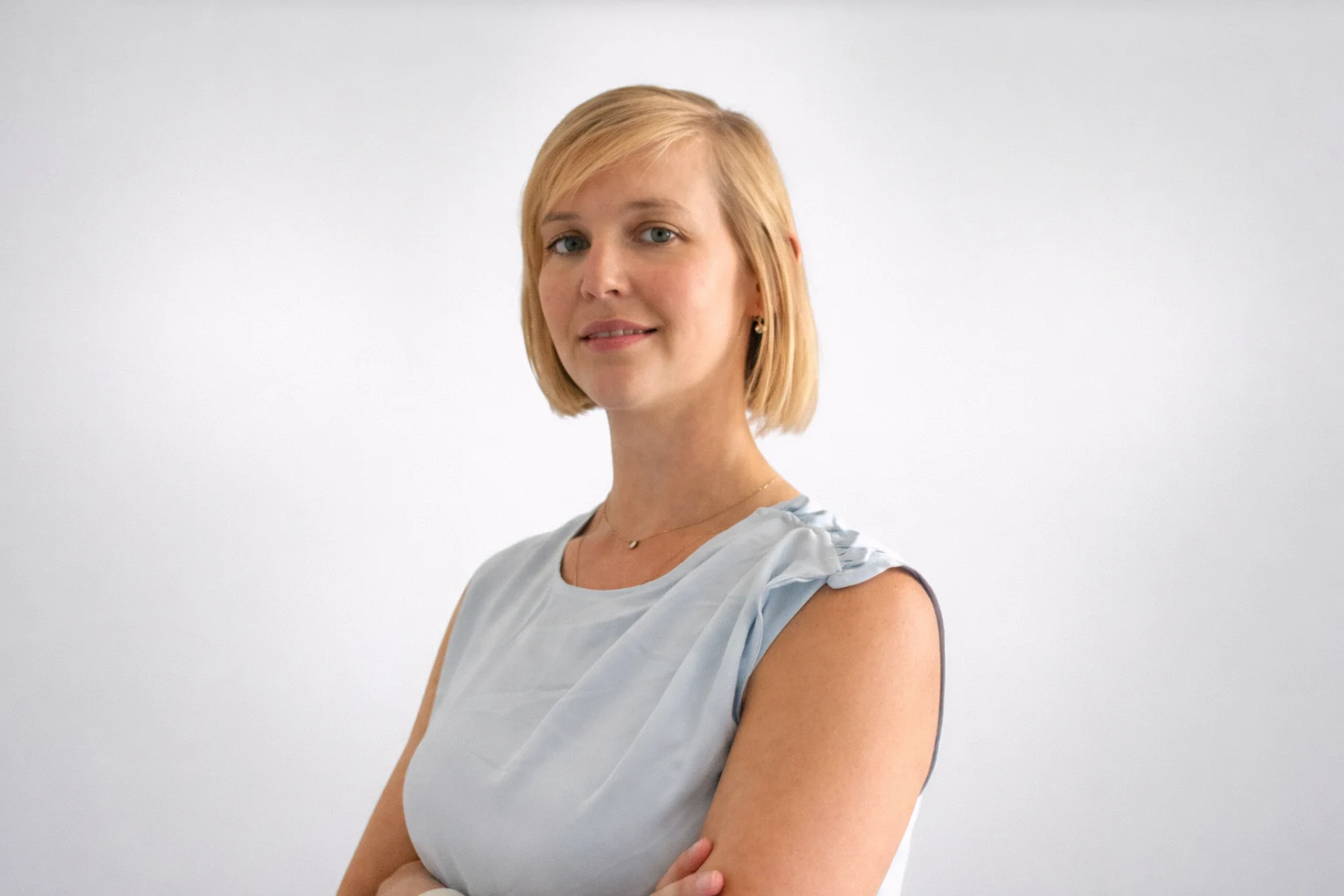
Colorectal surgeon
View profileDoctor of Medicine (Summa Cum Laude, UAM) and consultant in the Colorectal Surgery Unit of Hospital Gregorio Marañón. Double fellowship in robotic colorectal surgery (2019 and 2021). More than 100 scientific publications. Member of the editorial board of the British Journal of Surgery and of the ESCP programme committee.
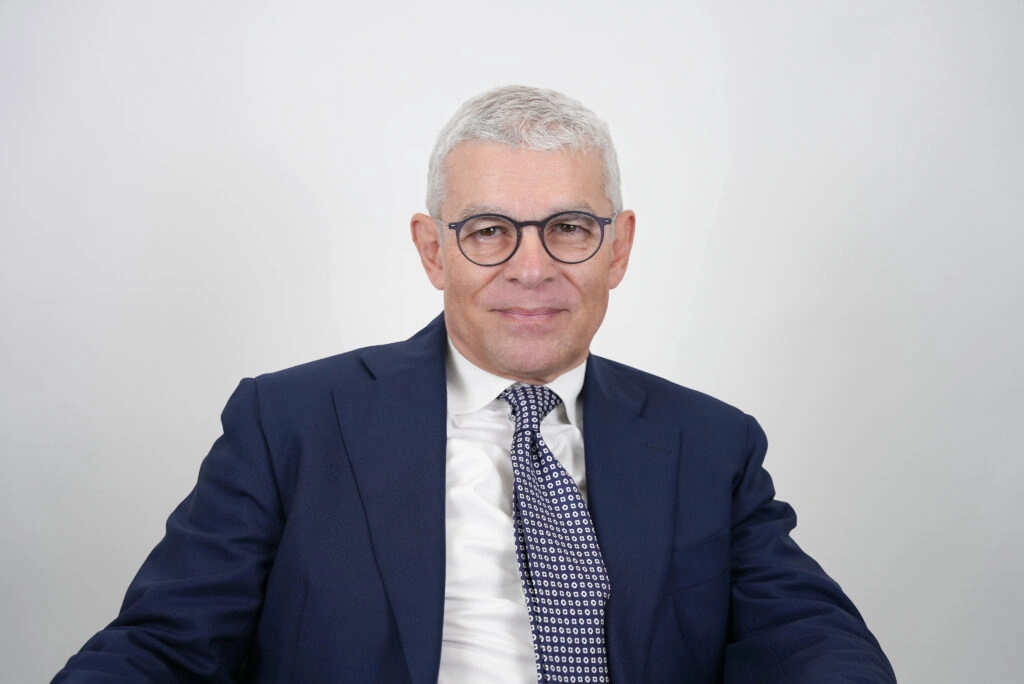
Surgical oncologist
View profileExpert in gastrointestinal oncological surgery, hepatobiliary surgery and peritoneal surface disease. More than 30 years of experience in high-complexity oncological procedures at European centres.

Medical oncologist
View teamMedical oncologist specialising in colorectal and gastrointestinal tumours. Responsible for perioperative systemic therapy and for coordinating the long-term follow-up of colorectal cancer patients, including Watch and Wait surveillance.
Share your MRI, CT, operative reports, pathology and a summary of your current treatment. Our team will confirm receipt and ask for any missing information.
The colorectal surgeon, the medical oncologist, the radiologist specialised in rectal MRI and the radiation oncologist review your case together. You receive a written summary with our recommendation.
You speak directly with Dr. Tejedor or Dr. Quenet by video call. We explain the surgical plan, the expected recovery and the Watch and Wait option if it applies. In Spanish, English, French or Italian.
Our international coordinator organises the pre-operative tests, travel dates, accommodation for you and your companion, and airport transfers. Most pre-operative tests can be done in your own country before you arrive.
Usually 1 to 2 weeks before the surgery date. After a robotic colorectal resection, the hospital stay is usually 3 to 5 days. The total time in Spain is about 2 to 3 weeks. Follow-up can be done remotely.
We use the fifth-generation Da Vinci system, with better image resolution, improved haptic feedback, finer instruments and better integration of ICG fluorescence. It is not available at every robotic surgery centre.
We have a structured Watch and Wait programme, with surveillance protocols and direct collaboration with the team that led the OPRA trial. In eligible patients it makes it possible to avoid major surgery.
For a patient from Latin America, the case assessment, the video consultation with the surgeon and the travel coordination are carried out in their own language, with a single point of contact throughout the process.
We can schedule surgery within 2 to 4 weeks of the decision to go ahead. Our international patient coordinator handles every step, from sending the documentation to your discharge from hospital.
Wonderful surgical team, among the best out there. Dr. Torrent (expert in peritoneal carcinomatosis) is an exceptional surgeon and an even better person. His coordinator is super kind, fast and efficient. The personal care is excellent and so are the results. This is of vital importance for cancer patients.
Dr. Torrent helped me make the best decision at a difficult moment. I think he is a great professional and a person who is able to support you and put himself in the other person's place. Thank you for everything.
Excellent professionals, especially Dr. Torrent, attentive at all times to the patient (my wife), operated on for peritoneal pseudomyxoma. They helped us with all our needs since we came from outside Barcelona. Thank you Elisabeth. We are very grateful to the Quenet Torrent Institute, thank you for everything.
The colorectal programme is led by Dr. Patricia Tejedor (double fellowship in robotic colorectal surgery) and Dr. François Quenet. Watch and Wait cases are carried out in collaboration with Prof. Julio García Aguilar (Memorial Sloan Kettering, New York), principal investigator of the OPRA trial. Dr. Clara Montagut is responsible for medical oncology.
The aim is to reply in writing within 48 working hours of the documentation being complete. A multidisciplinary review is completed before we reply, so you receive a medical opinion with real content, not an administrative acknowledgement. If tests are missing, we tell you exactly which ones.
Possibly, if you have locally advanced rectal cancer and achieve a complete clinical response after total neoadjuvant therapy (TNT). Not all patients are candidates. Correct selection requires a high-resolution rectal MRI, a high-definition endoscopy and specialist interpretation. We will assess your eligibility as part of the initial review.
Yes. Our international patient coordinator handles the planning of pre-operative tests, travel dates, accommodation near the hospital and transfers. We aim to keep the number of trips and the total time you need to spend in Spain to a minimum.
Spanish, English, French and Italian.
After reviewing your case, we give you a detailed written quote covering the surgical procedure, the hospital stay and standard post-operative care. The cost varies with the type of resection and the length of the stay. We give you a full breakdown before you make any travel commitment.
With ERAS protocols, most patients are discharged after 3 to 5 days. For more complex resections, the stay may be 5 to 7 days. You should plan to stay in Spain for 7 to 10 days after discharge before travelling home, depending on your recovery.
Yes. Teknon in Barcelona and Memorial Publio Cordón in Madrid have private single suites. A companion can stay in the room throughout the admission, and for international patients we expressly recommend it: having a family member there makes communication with the team and recovery after discharge easier.
Send your images and reports. The team will review your case within 48 hours and tell you directly whether robotic surgery or Watch and Wait is the right path for you.
We operate in two private hospitals in Spain. The same medical team treats you in Madrid and in Barcelona, with the same surgical and oncological protocols.
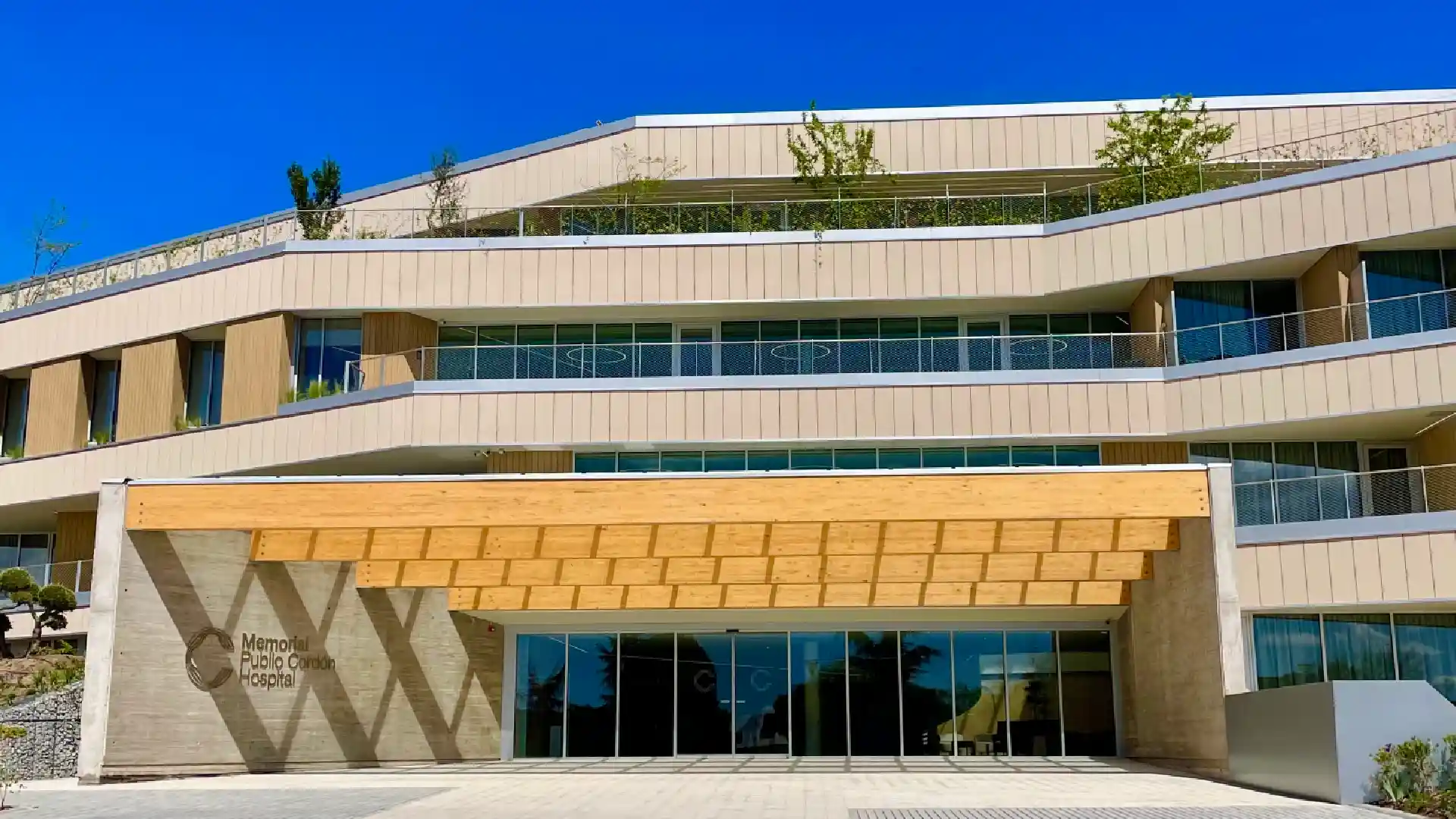
Private hospital in Pozuelo de Alarcón with a multidisciplinary team specialised in digestive surgical oncology.
View Memorial Publio Cordón Hospital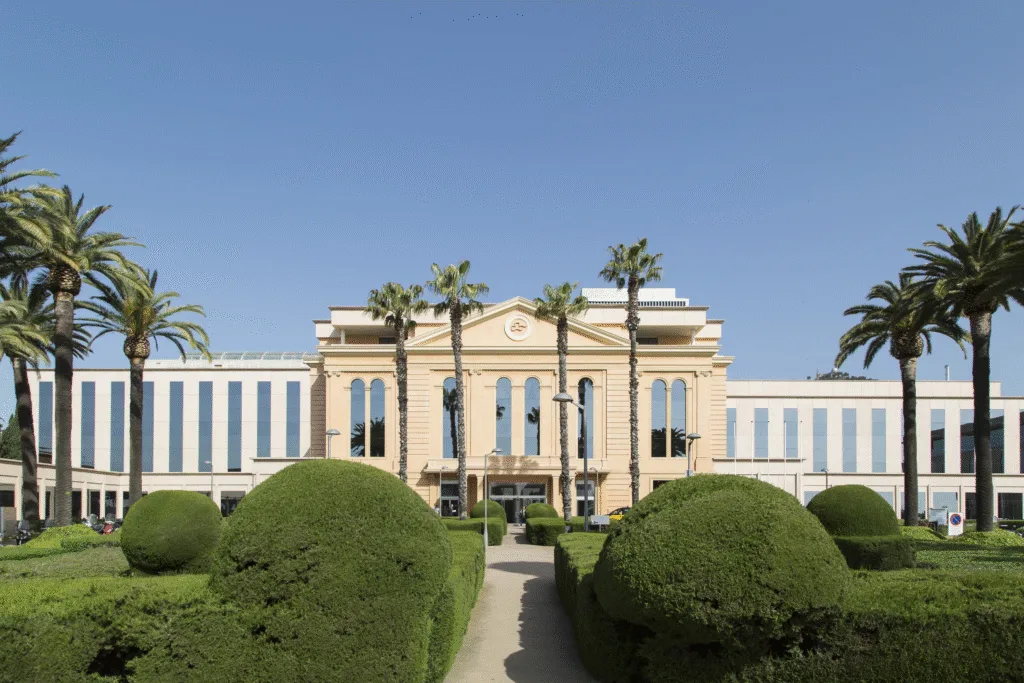
Private hospital in Barcelona where the team performs high-complexity surgical oncology.
View Centro Médico Teknon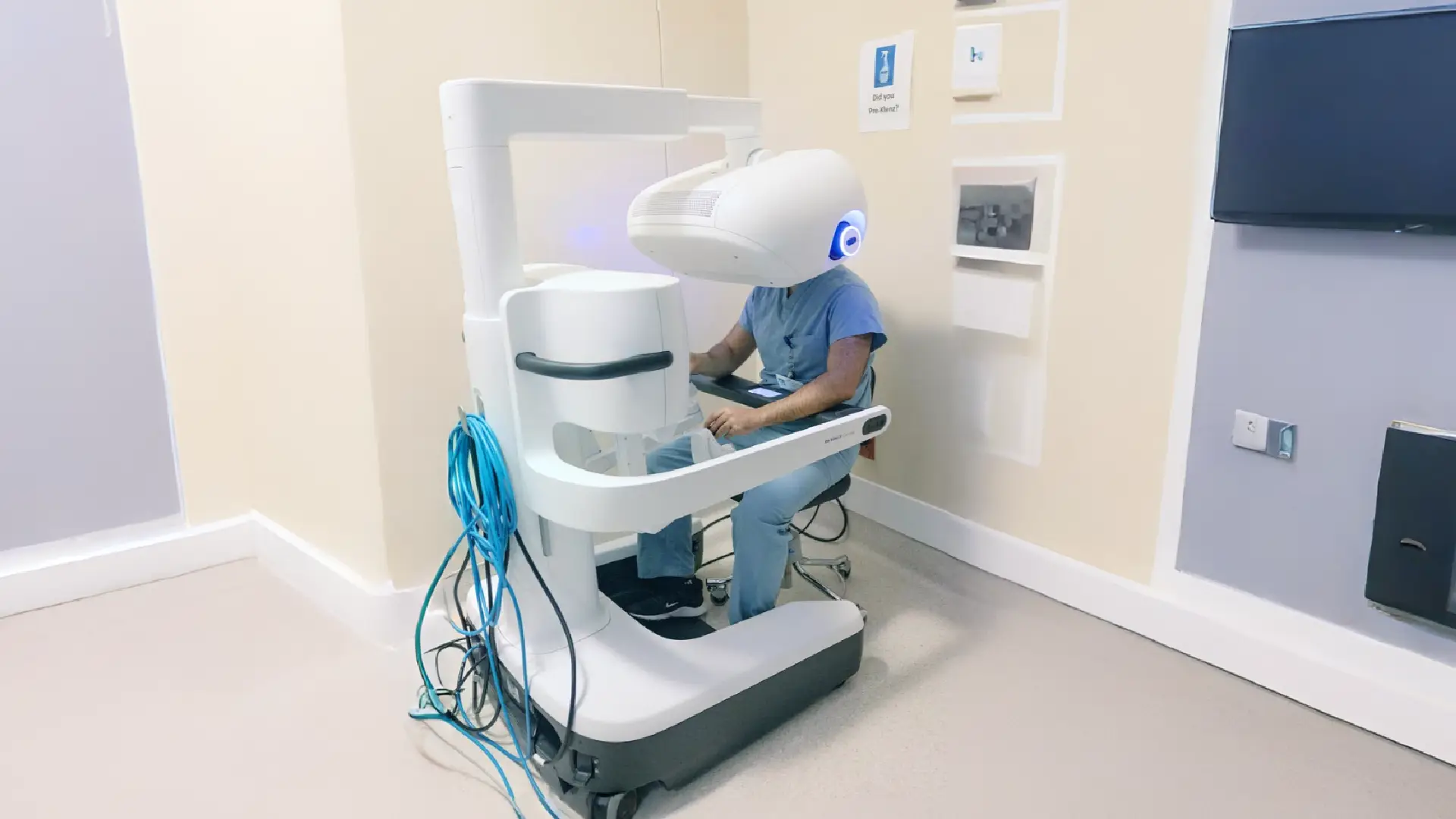
Dr. Juan José Torrent has completed the official training in London for the use of the Da Vinci 5 robotic system, becoming the first gynecological oncology surgeon accredited in Spain to operate it. It is the most recent version of this minimally invasive robotic surgery system and includes more than 150 improvements over previous versions.
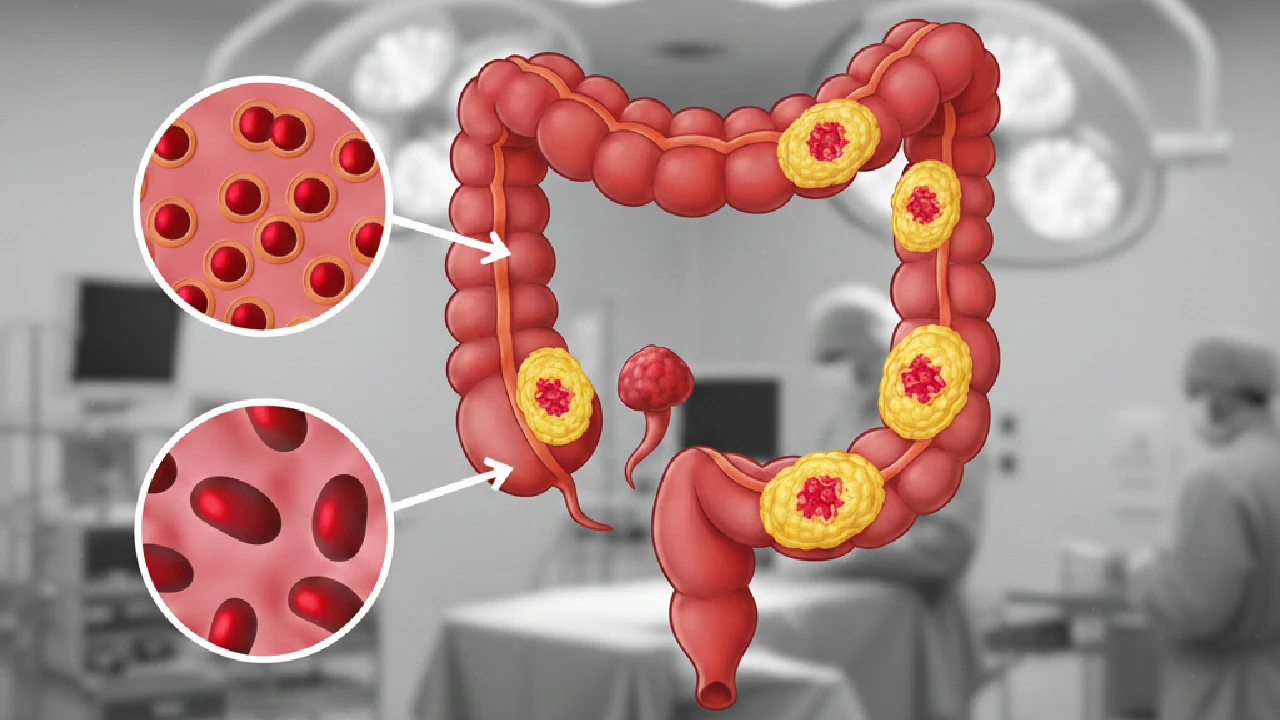
A complete guide to colon cancer: risk factors, warning symptoms, diagnostic methods and treatment options, including robotic surgery and chemotherapy.
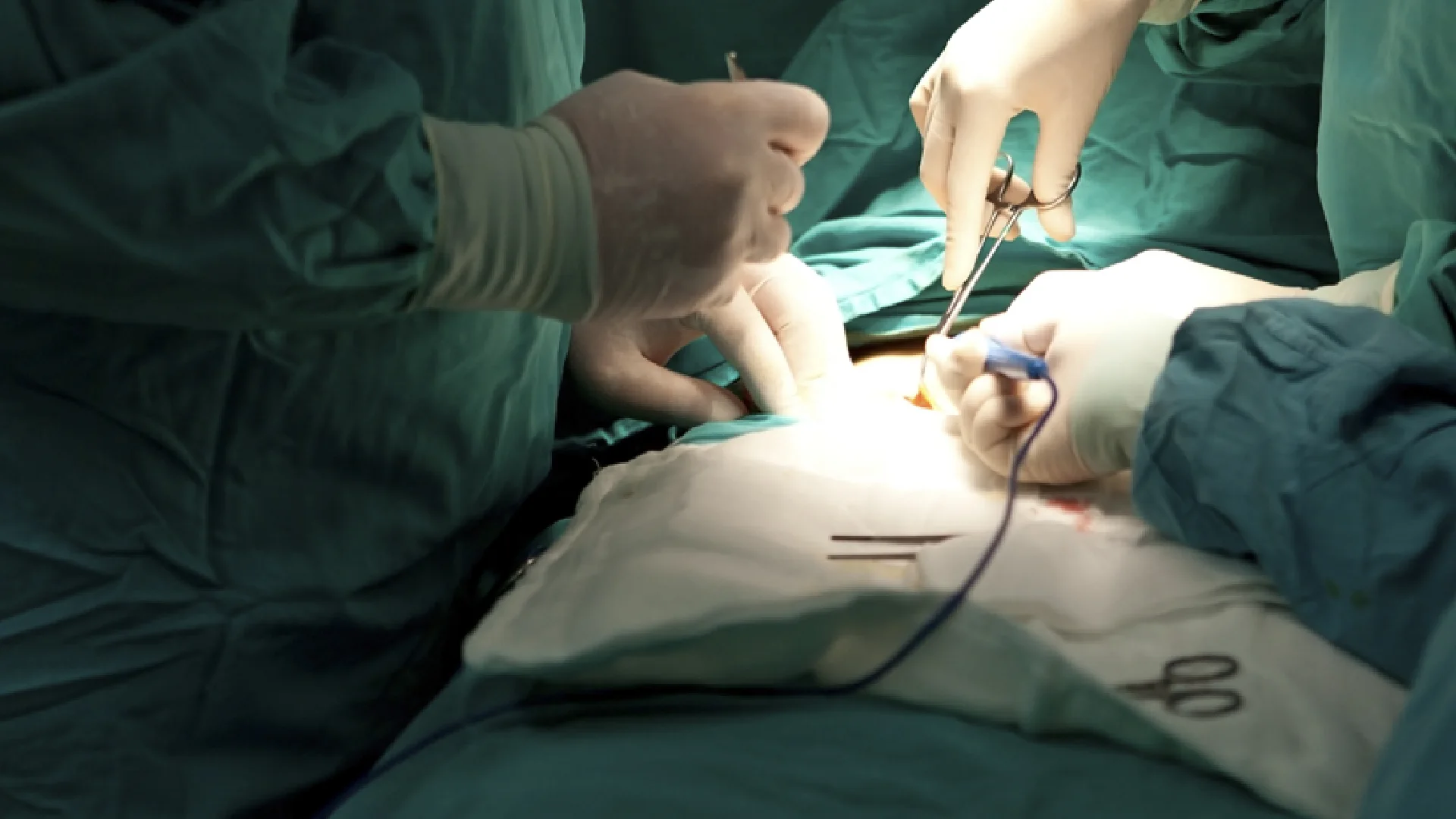
Dr. François Quenet takes part in a phase II trial published in JCO 2026 on hepatic arterial infusion (HAI) chemotherapy after surgery for colorectal liver metastases. We review the current indications for HAI.
Complete the form and schedule your appointment to speak directly with the surgeon.