Ovarian cancer
Complete cytoreductive surgery with or without HIPEC for advanced ovarian cancer.

At Quenet-Torrent Institute we have a unit specialized in high-complexity oncological surgery for gynecological tumors such as those of the ovary, endometrium, cervix and vulva. We combine surgery with systemic therapies, with curative intent and a plan adapted to each patient.
CONTACT SPECIALISTComplete cytoreductive surgery with or without HIPEC for advanced ovarian cancer.
Minimally invasive and robotic surgery for endometrial cancer.
Radical surgery with fertility preservation in selected cases.
Vulvectomies with the sentinel lymph node technique and reconstructive surgery.
Gynecological tumors (ovary, endometrium, cervix and vulva) are treated with specialized oncological surgery that includes, when needed, peritoneal cytoreduction. At Quenet-Torrent Institute (Teknon Barcelona · Memorial Publio Cordón Madrid), Prof. Luis González Bayón and Dr. Juan José Torrent lead the unit, with experience in pelvic exenteration.
Gynecological tumors are a group of malignant tumors that arise in the female reproductive organs.
The most common gynecological cancers include ovarian cancer, which is usually diagnosed at advanced stages and requires cytoreductive surgery, and endometrial cancer, often detected early and treatable with conservative surgery. Cervical cancer is treated with radical surgery in early stages, while vulvar and vaginal cancers, although less common, have a high emotional impact.
Early diagnosis allows gynecological cancer to be treated effectively, generally with surgery and, in some cases, with chemotherapy or radiotherapy.
Gynecological tumors can present in very different ways depending on the organ affected. Among the most common signs are abnormal vaginal bleeding (between periods, after menopause or after sex), vaginal discharge of unusual appearance or amount, abdominal or pelvic pain or swelling, early satiety and changes in urinary or bowel habits. In vulvar tumors, persistent itching or visible lesions are warning signs.
Many of these tumors progress silently in their early stages, which is why regular gynecological screening matters. With any of these symptoms, especially if they last more than two weeks with no apparent cause, it is advisable to see a specialist. Detection at early stages considerably widens the treatment options and significantly improves the prognosis.
There is no single cause for gynecological tumors, but a combination of factors that varies by location. Persistent infection with human papillomavirus (HPV) is the main factor in cervical cancer and in a significant proportion of vulvar tumors. In endometrial cancer, hormonal factors play the biggest role: obesity, diabetes and prolonged exposure to estrogen not balanced by progesterone markedly increase the risk.
In ovarian cancer, inherited mutations in the BRCA1 and BRCA2 genes, as well as Lynch syndrome, explain a significant share of cases, so family history should always be considered in the initial assessment. Older age and smoking are risk factors shared by several of these tumors. Knowing each patient's risk profile makes it possible to set up follow-up and early detection strategies adapted to her.
A second opinion in gynecological oncology is especially useful in these situations:
When surgery has initially been ruled out as a treatment option.
In cases where previous surgery was not radical or residual disease remained.
With local or regional tumor recurrence.
If the aim is to preserve fertility or avoid major functional after-effects.
To assess whether techniques such as cytoreductive surgery or salvage surgery are feasible.
A second assessment can open up treatment options and avoid irreversible decisions taken too early.
At Quenet-Torrent Institute, each surgical treatment is designed individually after assessment by a multidisciplinary board.
Radical hysterectomy, sentinel lymph node detection or lymphadenectomy: indicated in endometrial and cervical cancer.
Complete cytoreductive surgery with or without HIPEC for ovarian cancer, including peritonectomies and multi-organ resections if needed.
In locally advanced or recurrent tumors with no conservative alternative.
Fertility-preserving procedures in young patients with early-stage tumors.
Radical vulvectomies with sentinel lymph node detection.
Reconstructive operations when needed.
In most cases surgery is the first line of treatment and, sometimes, the only one with curative potential.
The Institute has these resources to operate more safely and shorten recovery.
For complex pelvic operations in confined spaces.
For minimally invasive operations.
With ICG and technetium-99, it avoids unnecessary lymphadenectomies.
Operating room equipped with CT.
Indicated in selected cases with peritoneal spread.
Surgical planning based on multimodal imaging.
At Quenet-Torrent we stay with you throughout the process, from the initial assessment of your case to follow-up after surgery.
We focus on advanced and metastatic cancer, with techniques such as cytoreduction with HIPEC or pelvic exenteration, which not every center offers.
Surgeons, oncologists, radiologists, nutritionists and psychologists review your case together.
We follow the published scientific evidence and review our protocols when new data appear.
We have the Da Vinci robotic system, 3D laparoscopy, sentinel lymph node mapping and hybrid operating rooms, which allow precise and less invasive operations.
We explain each step of the treatment and answer your questions throughout the process.
Specialized treatment for each type of gynecological cancer, with a personalized approach.
Complete cytoreductive surgery with or without HIPEC for advanced ovarian cancer.
More information about ovarian cancerMinimally invasive and robotic surgery for endometrial cancer, preserving function.
More information about endometrial cancerRadical surgery with fertility preservation in selected cases of cervical cancer.
More information about cervical cancerVulvectomies with the sentinel lymph node technique and specialized reconstructive surgery.
More information about vulvar cancerHigh-complexity surgical techniques for treating gynecological cancer.
Hyperthermic intraperitoneal chemotherapy for ovarian cancer with peritoneal spread.
More information about HIPECComplex pelvic surgery with a minimally invasive approach and faster recovery.
More information about robotic surgeryRadical surgery for locally advanced or recurrent tumors in the pelvis.
More information about pelvic exenterationsThe course of gynecological tumors varies significantly according to the specific type of tumor (ovary, uterus, cervix, vulva), the stage of the disease, the histological features and the response to treatment. Each patient requires an individual assessment by a multidisciplinary team specialized in gynecological oncological surgery.
Our team analyzes each case in detail and explains to the patient what treatment options she has and what she can expect from each one.
Surgeons and oncologists on the team who treat gynecological tumors.

Oncological surgeon
View doctor: Dr. Juan José Torrent"As an oncological surgeon, my extensive experience with gynecological tumors has taught me that surgery is much more than a technique: it is a strategic decision within an overall treatment process."

Oncological surgeon
View doctor: Prof. Luis González Bayón"Pelvic exenterations are among the most complex procedures in gynecological oncological surgery, but also a treatment option that can make the difference."

Oncological surgeon
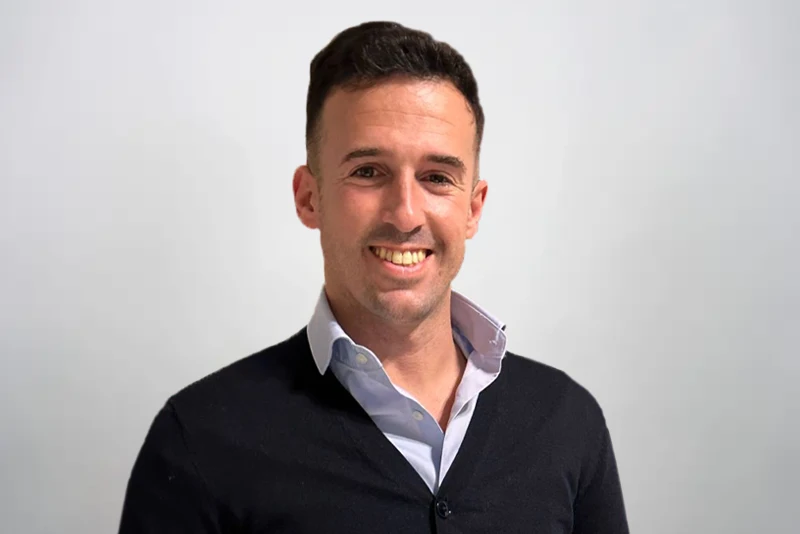
View doctor: Dr. François QuenetPrincipal investigator of the PRODIGE 7 trial on the treatment of peritoneal metastases. Expert in complete cytoreduction and HIPEC, a central technique in ovarian cancer with peritoneal spread.
Oncological surgeon
View doctor: Dr. Pablo Lozano LomincharSurgeon in the peritoneal carcinomatosis section of Hospital General Universitario Gregorio Marañón and Associate Professor of Surgical Pathology at the Complutense University of Madrid. Trained at Memorial Sloan Kettering Cancer Center in New York, with a focus on surgery for carcinomatosis of gynecological origin.

Medical oncologist
View doctorHead of the Gastrointestinal Cancer Section at Hospital del Mar and deputy director of the Hospital del Mar Research Institute. She works in precision medicine and biomarkers and coordinates systemic treatment with the surgical strategy.
Answers to the most common questions about diagnosis, treatment and prognosis.
In most cases, yes: surgery remains the mainstay of treatment with curative intent. There are important exceptions, such as locally advanced cervical cancer, where the main treatment is chemoradiotherapy and surgery is reserved for tumors that persist or come back.
Yes, that is the usual approach. Surgery is combined with chemotherapy, radiotherapy or targeted therapies depending on the tumor type, the stage and the molecular profile. The order also varies: in advanced ovarian cancer chemotherapy may be given before surgery, and in other cases surgery comes first.
In selected cases of early stage disease, yes: there are conservative techniques that preserve the uterus and at least one ovary. The decision depends on the tumor type, the stage and the grade, and it requires a joint assessment with oncology and the fertility unit before surgery.
Those of major abdominal or pelvic surgery: bleeding, infection, urinary or bowel complications and thrombosis. Extensive pelvic surgery adds the risk of lymphedema if many lymph nodes are removed. At centers with expert teams these complications are significantly reduced.
Spread through the peritoneum does not rule out surgery. Cytoreduction, with or without HIPEC, offers a proven benefit in carcinomatosis of ovarian origin as long as all visible disease can be removed. This is precisely the setting in which a team with peritoneal experience makes the difference.
Yes, in selected cases: it offers greater precision, less bleeding and a faster recovery. There is one relevant exception worth knowing: in radical hysterectomy for cervical cancer, open surgery is currently preferred, because it offers better oncological results than the minimally invasive approach.
In locally advanced or recurrent tumors that affect several pelvic organs and do not respond to other treatments. It is a major operation, which may include the bladder and rectum, and it is only considered when it can remove all the disease and the patient's general condition allows it.
No. It is indicated in selected cases of ovarian cancer with peritoneal spread. The setting with proven benefit is interval surgery, performed after neoadjuvant chemotherapy. It always requires complete cytoreduction and prior assessment by the multidisciplinary board.
With a prior assessment by the multidisciplinary board, advanced imaging studies and individual surgical planning. In cases affecting several organs, it is decided in advance which specialists will take part, which resections and reconstructions may be needed and what care the postoperative period will require.
At centers with proven experience in gynecological oncological surgery and enough case volume. It is worth asking how many operations of this kind the team performs each year and whether it has a multidisciplinary board. In advanced ovarian cancer, the surgeon's experience has a direct effect on survival.
We operate in two private hospitals in Spain. The same medical team treats you in Madrid and in Barcelona, with the same surgical and oncological protocols.

Private hospital in Pozuelo de Alarcón with a multidisciplinary team specialised in digestive surgical oncology.
View Memorial Publio Cordón Hospital
Private hospital in Barcelona where the team performs high-complexity surgical oncology.
View Centro Médico TeknonReal testimonies from patients treated by our team in high-complexity surgical oncology.
66-year-old English woman with advanced ovarian cancer and peritoneal metastases. Treated with cytoreduction + HIPEC, she is now disease-free.
Read the full case73-year-old patient with advanced cancer treated with chemotherapy and high-complexity surgical oncology, with good survival and quality of life.
Read the full caseA mistaken diagnosis of terminal colon cancer that a second opinion revealed to be pseudomyxoma peritonei, treatable with cytoreductive surgery and HIPEC.
Read the full caseDiagnosed with widespread peritoneal carcinomatosis and considered inoperable. After complete cytoreduction with HIPEC, today his is a story of survival.
Read the full caseWonderful surgical team, among the best out there. Dr. Torrent (expert in peritoneal carcinomatosis) is an exceptional surgeon and an even better person. His coordinator is super kind, fast and efficient. The personal care is excellent and so are the results. This is of vital importance for cancer patients.
In the public healthcare system they gave my father a maximum of one year to live. They only offered him chemo and no hope, said it was impossible, that nothing could be done. He had several tumors inside the peritoneal sac with metastases. A year and a half later he is clean, completely cured. His latest PET scan came back clean. We are very happy. Thanks to Dr. Torrent and his team. THANK YOU.
Excellent professionals, especially Dr. Torrent, attentive at all times to the patient (my wife), operated for peritoneal pseudomyxoma. They helped us with all our needs since we came from outside Barcelona. Thank you Elisabeth. We are very grateful to Quenet Torrent Institute, thank you for everything.
I am a 63-year-old patient. They detected adrenal gland cancer and told me there was nothing to be done. I sought a second opinion and they told me about the Quenet Torrent team, specialists in complex operations. Dr. Torrent, from the first moment, told me they could operate. They operated and removed a large tumor mass. I spent a week in the ICU and a month on the ward. Every day he came morning and evening, no matter Saturday or Sunday. Never throw in the towel. I am happy to have found these professionals who gave me my life back. Thank you.
Many thanks for your attention. Dr. Torrent always attentive, involved and decisive. The reception staff very pleasant and always offering the best option. 100% RECOMMENDED. THANK YOU.
Dr. Torrent helped me make the best decision at a difficult moment. I think he is a great professional and a person capable of accompanying you and putting himself in another's shoes. Thank you for everything.
I have peritoneal carcinomatosis. When I sent my diagnosis to every center, practically all of them agreed on palliative chemo with little survival time, since I had a very aggressive type of cell. Until we reached Dr. Quenet, Dr. Torrent and their team. I can only confirm what their CV announces: they are far ahead of the rest. They saved my life, because during the operation the harmful cells that everyone had diagnosed, and that were the reason nobody would operate on me, were not there. This intervention has become the best investment of my life.
The best decision of my life was finding this excellent team of surgeons who saved my husband's life. At a prestigious international clinic in Madrid he was given up for lost with advanced peritoneal carcinomatosis from appendiceal cancer, and thanks to them, the best professionals in this field, he was operated on very successfully. A perfect recovery with no complications, because they were on top of his progress at all times. They have a great quality: from the start they were very honest and close. I can only be deeply grateful; we went to buy time and thanks to them my husband got his life back.
Dr. Torrent is a brilliant surgeon and a very approachable and warm doctor, whose manner reveals all the qualities that make him a great person and professional: perseverance, innate curiosity and a desire to learn, humility, sincerity and empathy. Going through an operation is undoubtedly an intense experience, physically and emotionally, in which anxieties arise and you feel very vulnerable. All of that is normal, and as his former patient I can say that his care and professionalism throughout the process were absolutely exceptional. I felt very supported by him, with the confidence of knowing I was in the best hands. I will always be grateful to him. Moltes gràcies Dr. Torrent!
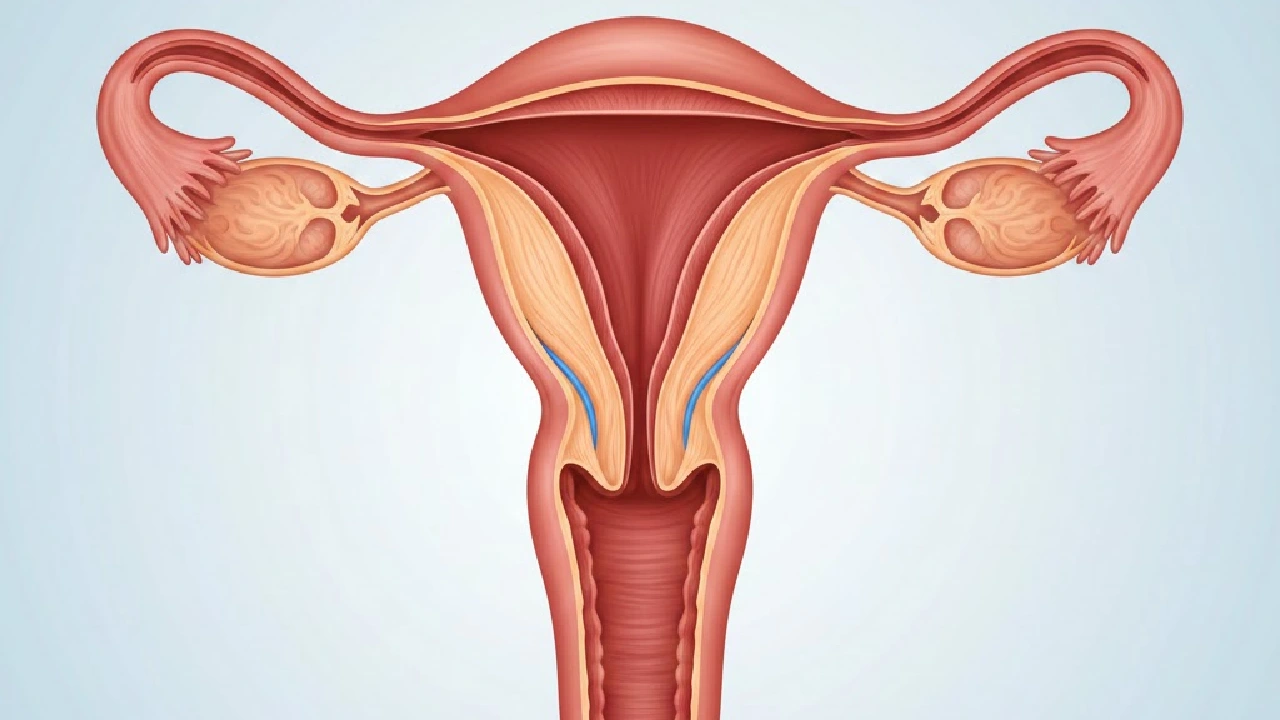
Learn about the symptoms of ovarian cancer, its early signs and when to consult a specialist. Guide prepared by oncological surgeons.

Survival in ovarian cancer varies greatly by stage: above 90-95% at 5 years in early disease, dropping to 20-40% in advanced stages. We analyse the factors that genuinely change the prognosis and why the centre and surgical quality matter as much as early diagnosis.

The main treatments for ovarian cancer (cytoreductive surgery, HIPEC, chemotherapy and targeted therapies) and how they are combined according to stage.
Complete the form and schedule your appointment to speak directly with the surgeon.