Confirm resectability
Confirm whether a tumor considered unresectable can be operated on with high-complexity techniques.

At Quenet-Torrent Institute we treat pancreatic cancer with high-complexity surgery, neoadjuvant strategies and a multidisciplinary team experienced in complex cases.
CONTACT SPECIALISTPancreatic cancer is treated with cephalic pancreaticoduodenectomy (Whipple) or distal pancreatectomy depending on location, ideally after neoadjuvant chemotherapy in resectable cases. At Quenet-Torrent Institute (Barcelona · Madrid), Prof. Fabrizio Panaro, together with Dr. Quenet and Dr. Torrent, leads the hepatobiliopancreatic area.
Pancreatic cancer is a malignant tumor that arises in the cells of the pancreas. The most common type is ductal adenocarcinoma, which accounts for more than 90% of cases.
Risk factors include smoking, long-standing diabetes, chronic pancreatitis, obesity, family history and certain genetic mutations such as BRCA2. Symptoms, when they appear, are usually jaundice, abdominal pain, weight loss and newly diagnosed diabetes.
Surgery is the only potentially curative treatment. However, because many cases are diagnosed at advanced stages, only 15-20% are resectable at diagnosis.
Pancreatic cancer is a disease with late symptoms: in many cases it causes no discomfort until advanced stages. Tumors located in the head of the pancreas usually present with jaundice, that is, yellowing of the skin and eyes, together with dark urine, pale stools and intense itching. Other common symptoms are abdominal or back pain, unintentional weight loss, loss of appetite and difficult digestion.
Some patients develop new-onset diabetes with no apparent cause, as well as persistent fatigue. When any of these symptoms appears without explanation, especially in people with known risk factors, it is important to see a specialist without delay. An early diagnosis considerably widens the options for surgical treatment with curative intent.
There is no single cause that explains the development of pancreatic cancer, but several factors that increase the risk have been identified. Smoking is the most relevant modifiable factor. Obesity, long-standing diabetes, chronic pancreatitis and regular alcohol consumption are also associated with a higher risk, as is older age, since most cases are diagnosed from the age of 65.
A family history of pancreatic cancer and certain hereditary syndromes markedly increase the likelihood of developing the disease. Among the most studied genetic alterations are mutations in the BRCA2 gene, Lynch syndrome and Peutz-Jeghers syndrome. In people with a family history, assessment by a genetic counseling unit and specialized follow-up help detect the disease earlier.
A second opinion can change the treatment options and, with them, the prognosis.
Confirm whether a tumor considered unresectable can be operated on with high-complexity techniques.
Assess whether preoperative chemotherapy can make the tumor operable.
Evaluate whether vascular resection and reconstruction are feasible in borderline cases.
Review the histological diagnosis, since some pancreatic tumors have a better prognosis.
Many patients considered inoperable can benefit from an assessment at a specialized center.
Surgical treatment is the basis of treatment when resection is possible.
For tumors of the head of the pancreas, removing the pancreatic head, duodenum, gallbladder and part of the stomach.
For tumors of the body and tail, with or without preserving the spleen.
In cases with extensive involvement of the pancreas.
Resection and reconstruction of the portal vein or superior mesenteric artery when necessary.
The approach is tailored to location, extent and the patient's condition.
These are the tests and techniques we use to plan and perform these operations.
Precise assessment of the relationship between the tumor and the mesenteric vessels.
Histological diagnosis and staging.
Staging to rule out metastatic disease.
To rule out occult peritoneal carcinomatosis.
Laparoscopy and robotics in selected cases.
Quenet-Torrent Institute treats pancreatic cancer with teams specialized in high-complexity pancreatic surgery.
We focus on advanced cancer and complex tumors, with techniques such as pancreaticoduodenectomy or resection with vascular reconstruction, which not every center offers.
Surgeons, oncologists, radiologists, nutritionists and psychologists review your case together.
We follow the published scientific evidence and review our protocols when new data appear.
We have multislice CT, endoscopic ultrasound, PET-CT, diagnostic laparoscopy and robotic surgery to plan and perform each operation.
We explain each step of the treatment and answer your questions throughout the process.
Surgeons on the team who treat pancreatic cancer.
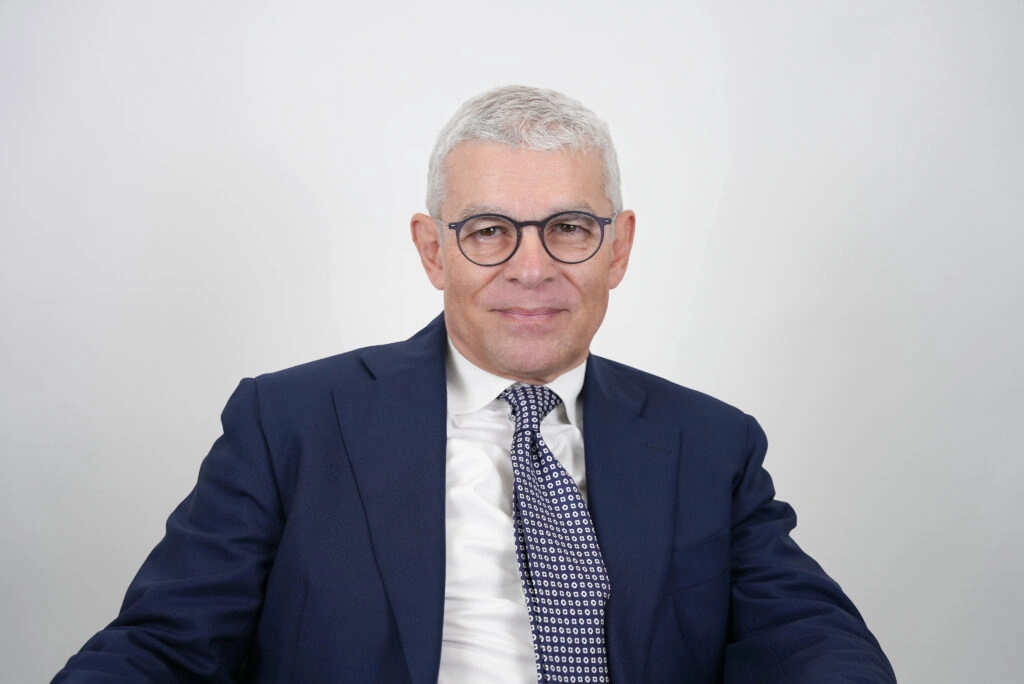
Oncological surgeon
View doctor: Dr. François Quenet"Surgeon with expertise in gastrointestinal and hepatobiliary tumors and in highly difficult operations."
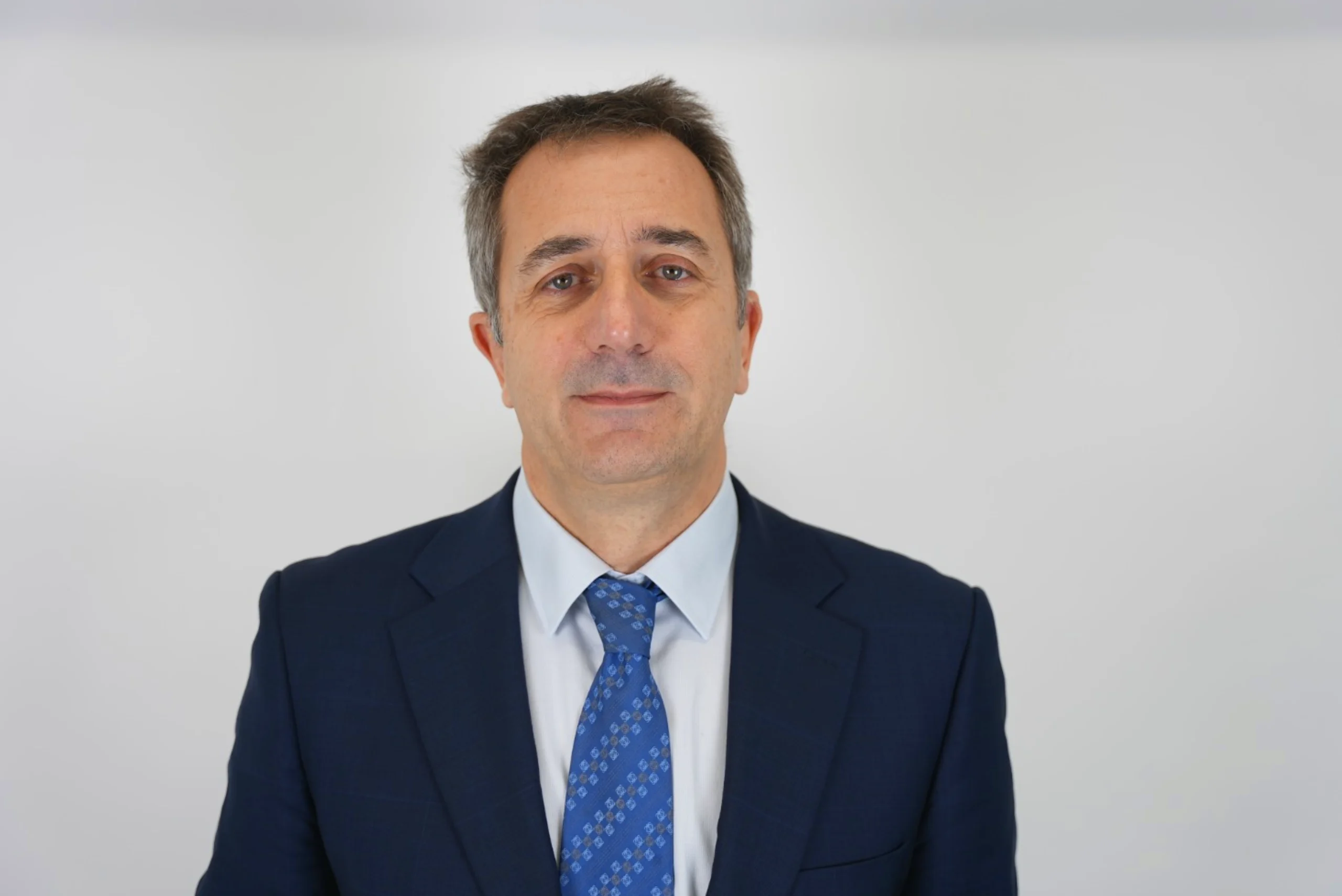
Oncological surgeon
View doctor: Dr. Juan José Torrent"Specialist in gynecological tumors, peritoneal carcinomatosis and complex oncological surgery."
Answers to the most common questions about diagnosis, treatment and prognosis.
Yes, in cases diagnosed early and completely resected. Surgery is the only potentially curative treatment, always combined with chemotherapy. The difficulty with this tumor is that it causes symptoms late, so the moment of diagnosis determines everything that can be offered afterwards.
It is cephalic pancreaticoduodenectomy, the standard operation for tumors of the head of the pancreas. It removes the pancreatic head, the duodenum, the gallbladder and part of the bile duct en bloc, and then reconstructs the digestive tract. It is a high-complexity operation that requires a team with volume.
At specialized centers, yes. So-called borderline tumors, which are in contact with the artery or vein but do not completely surround it, can be operated on by resecting the vascular segment and reconstructing it. This is usually done after prior chemotherapy, and it considerably increases the number of patients who can be operated on.
For two reasons. It shrinks the tumor and makes a resection with clear margins easier. It also shows how the disease behaves before the patient undergoes major surgery: if metastases appear during that time, an operation that would not have helped is avoided.
The hospital stay is usually 10 to 14 days and full recovery takes between 2 and 3 months. Readjusting digestion is what takes longest and usually requires pancreatic enzymes and changes to the diet. Chemotherapy after surgery also affects that timeline.
Yes, but it requires lifelong replacement treatment: insulin, because the body no longer produces its own, and pancreatic enzymes with every meal in order to digest. With that treatment and proper endocrine and nutritional follow-up, most patients lead a normal life.
Ask for a second opinion at a specialized center. Many tumors considered unresectable can be operated on when the team is skilled in vascular resection and reconstruction, or after conversion chemotherapy that reduces contact with the vessels. Resectability depends on who assesses it.
At centers with proven experience in pancreatic surgery and enough case volume. In this surgery, the relationship between the number of operations a team performs and its postoperative mortality is well documented. It is worth asking how many they perform each year and whether they have an oncovascular unit.
We operate in two private hospitals in Spain. The same medical team treats you in Madrid and in Barcelona, with the same surgical and oncological protocols.
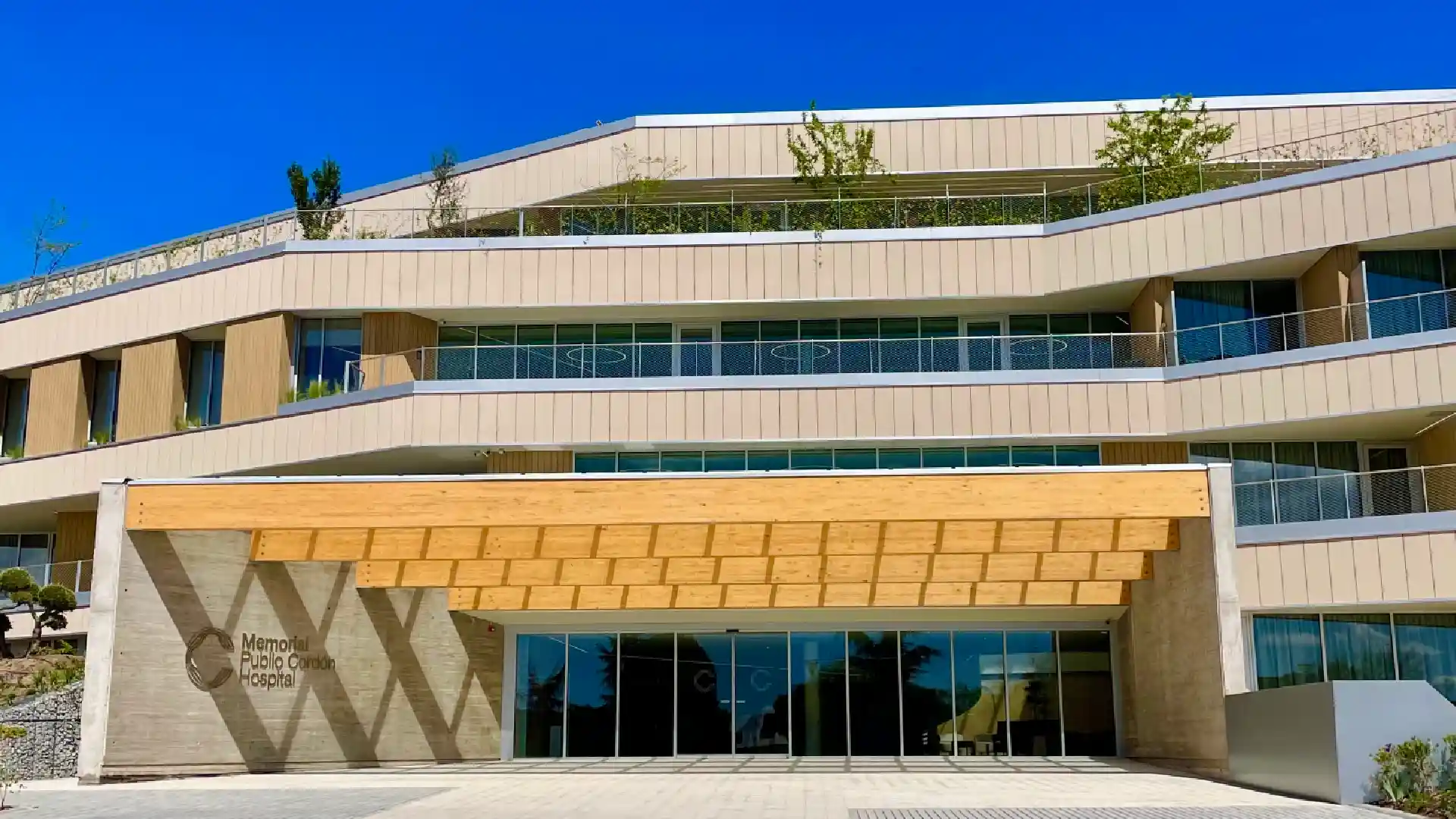
Private hospital in Pozuelo de Alarcón with a multidisciplinary team specialised in digestive surgical oncology.
View Memorial Publio Cordón Hospital
Private hospital in Barcelona where the team performs high-complexity surgical oncology.
View Centro Médico TeknonReal testimonies from patients treated by our team in high-complexity surgical oncology.
66-year-old English woman with advanced ovarian cancer and peritoneal metastases. Treated with cytoreduction + HIPEC, she is now disease-free.
Read the full case73-year-old patient with advanced cancer treated with chemotherapy and high-complexity surgical oncology, with good survival and quality of life.
Read the full caseA mistaken diagnosis of terminal colon cancer that a second opinion revealed to be pseudomyxoma peritonei, treatable with cytoreductive surgery and HIPEC.
Read the full caseDiagnosed with widespread peritoneal carcinomatosis and considered inoperable. After complete cytoreduction with HIPEC, today his is a story of survival.
Read the full caseWonderful surgical team, among the best out there. Dr. Torrent (expert in peritoneal carcinomatosis) is an exceptional surgeon and an even better person. His coordinator is super kind, fast and efficient. The personal care is excellent and so are the results. This is of vital importance for cancer patients.
In the public healthcare system they gave my father a maximum of one year to live. They only offered him chemo and no hope, said it was impossible, that nothing could be done. He had several tumors inside the peritoneal sac with metastases. A year and a half later he is clean, completely cured. His latest PET scan came back clean. We are very happy. Thanks to Dr. Torrent and his team. THANK YOU.
Excellent professionals, especially Dr. Torrent, attentive at all times to the patient (my wife), operated for peritoneal pseudomyxoma. They helped us with all our needs since we came from outside Barcelona. Thank you Elisabeth. We are very grateful to Quenet Torrent Institute, thank you for everything.
I am a 63-year-old patient. They detected adrenal gland cancer and told me there was nothing to be done. I sought a second opinion and they told me about the Quenet Torrent team, specialists in complex operations. Dr. Torrent, from the first moment, told me they could operate. They operated and removed a large tumor mass. I spent a week in the ICU and a month on the ward. Every day he came morning and evening, no matter Saturday or Sunday. Never throw in the towel. I am happy to have found these professionals who gave me my life back. Thank you.
Many thanks for your attention. Dr. Torrent always attentive, involved and decisive. The reception staff very pleasant and always offering the best option. 100% RECOMMENDED. THANK YOU.
Dr. Torrent helped me make the best decision at a difficult moment. I think he is a great professional and a person capable of accompanying you and putting himself in another's shoes. Thank you for everything.
I have peritoneal carcinomatosis. When I sent my diagnosis to every center, practically all of them agreed on palliative chemo with little survival time, since I had a very aggressive type of cell. Until we reached Dr. Quenet, Dr. Torrent and their team. I can only confirm what their CV announces: they are far ahead of the rest. They saved my life, because during the operation the harmful cells that everyone had diagnosed, and that were the reason nobody would operate on me, were not there. This intervention has become the best investment of my life.
The best decision of my life was finding this excellent team of surgeons who saved my husband's life. At a prestigious international clinic in Madrid he was given up for lost with advanced peritoneal carcinomatosis from appendiceal cancer, and thanks to them, the best professionals in this field, he was operated on very successfully. A perfect recovery with no complications, because they were on top of his progress at all times. They have a great quality: from the start they were very honest and close. I can only be deeply grateful; we went to buy time and thanks to them my husband got his life back.
Dr. Torrent is a brilliant surgeon and a very approachable and warm doctor, whose manner reveals all the qualities that make him a great person and professional: perseverance, innate curiosity and a desire to learn, humility, sincerity and empathy. Going through an operation is undoubtedly an intense experience, physically and emotionally, in which anxieties arise and you feel very vulnerable. All of that is normal, and as his former patient I can say that his care and professionalism throughout the process were absolutely exceptional. I felt very supported by him, with the confidence of knowing I was in the best hands. I will always be grateful to him. Moltes gràcies Dr. Torrent!
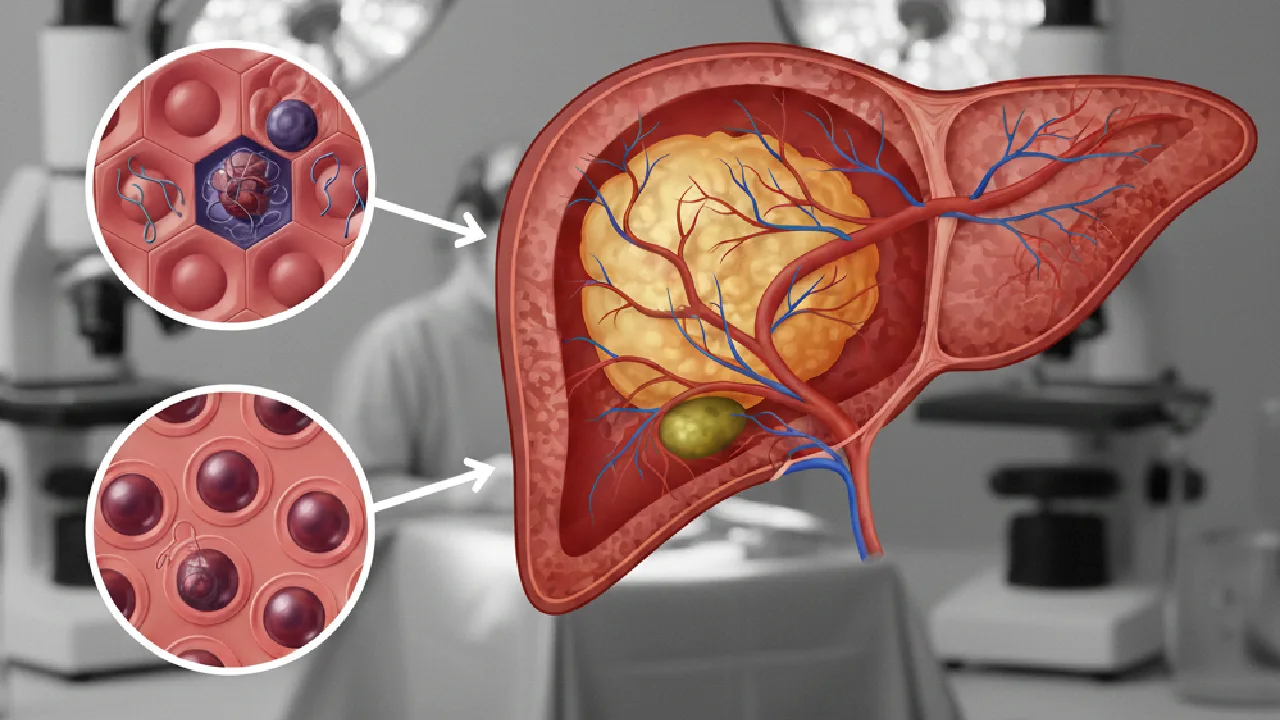
Resection is the only potentially curative treatment for liver metastases. What makes a case operable, and what to do if you have been told it is not.
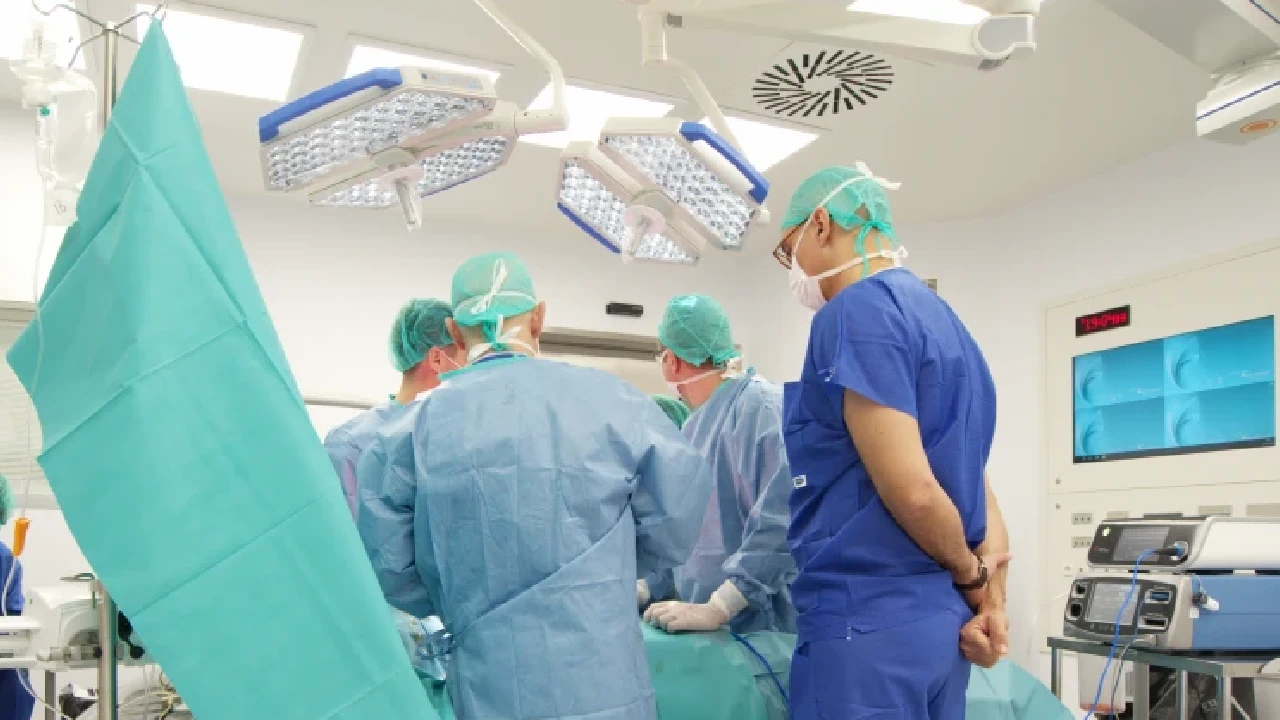
The success of oncological surgery depends on many factors: the surgeon's experience, complete cytoreduction, a multidisciplinary team and perioperative care.
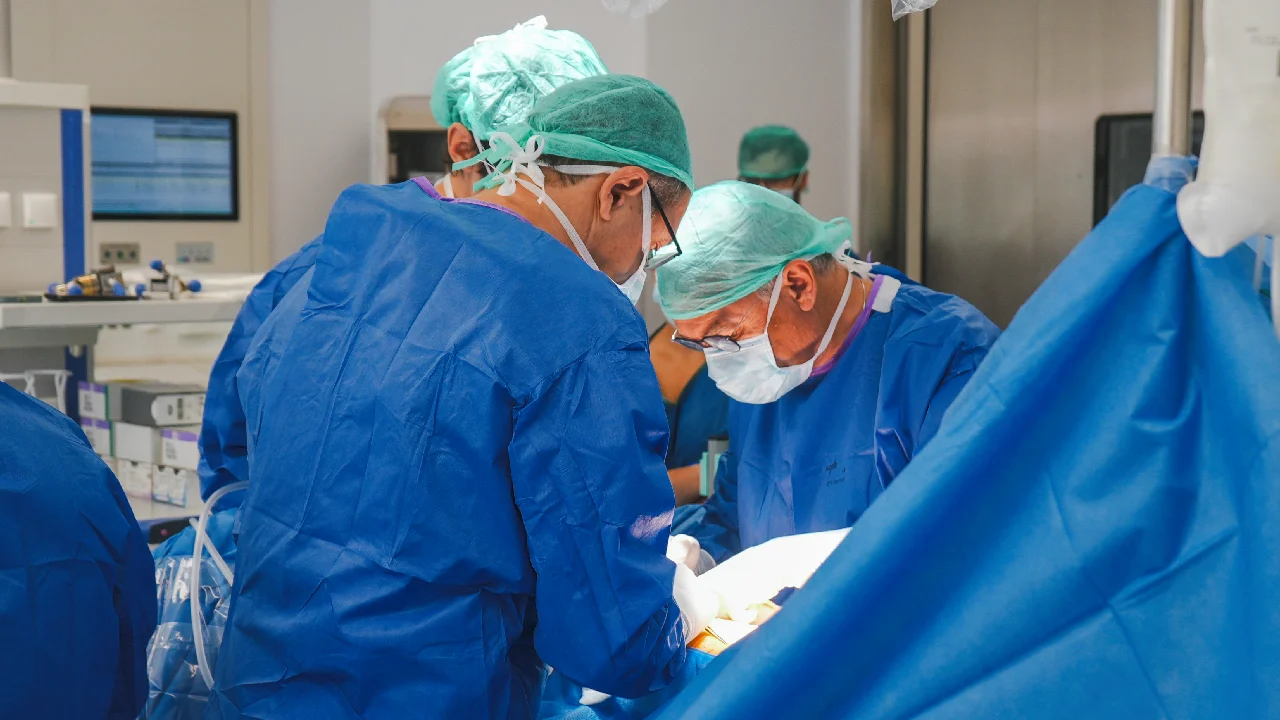
The centre and the surgical team influence the outcome of cancer treatment. What criteria to look at before deciding.
Complete the form and schedule your appointment to speak directly with the surgeon.