Liver metastases declared unresectable
Your oncologist or a surgeon has told you that the liver metastases cannot be removed surgically. You want an independent, specialised assessment that confirms or questions that conclusion.

Liver resection and combined strategies for colorectal and non-colorectal liver metastases. Your case reviewed by Dr. Quenet and the committee within 48 hours. We assess resectability before you travel.
Your oncologist or a surgeon has told you that the liver metastases cannot be removed surgically. You want an independent, specialised assessment that confirms or questions that conclusion.
You have been diagnosed with colorectal cancer with liver involvement at the same time. The order of treatment (primary first, liver first or simultaneous resection) is decided case by case in committee.
The extent of liver involvement means a large volume of tissue has to be removed. You need an assessment for two-stage hepatectomy, portal vein embolisation (PVE) or ALPPS to build an adequate liver remnant before surgery.
Liver metastases from gastric cancer, neuroendocrine tumours, sarcoma or other primaries. Resectability and surgical strategy vary with tumour biology. We assess all types of primary tumour.
You have already had a hepatectomy and new liver metastases have appeared. Repeat liver surgery is technically demanding and needs a team with specific experience in salvage liver surgery.
Simultaneous liver and peritoneal metastases may require a combined resection strategy. The team operates on both liver and peritoneal disease and can assess a combined resection.
Surgery remains the treatment most consistently associated with long-term survival in patients with resectable liver metastases. In colorectal cases, 5-year survival rates after complete resection are 30 to 50% in published series. The question is not whether the patient has metastases, but whether complete resection is possible with an adequate liver remnant and acceptable risk.
Before you travel, we review your CT or MRI in detail to assess the number and location of the liver lesions and their relationship to the vascular structures, and we give a preliminary opinion on resectability and the surgical approach.
When simultaneous colorectal and liver resection is appropriate, we plan it as a single coordinated procedure. When two-stage surgery is safer, we sequence it to optimise the liver remnant and the patient's recovery between procedures.
For patients who need an extended hepatectomy with an insufficient future liver remnant, we offer portal vein embolisation (PVE) and, when indicated, ALPPS (associating liver partition and portal vein ligation for staged hepatectomy) so that major liver resections can be performed safely.
For patients with multiple lesions or lesions in surgically difficult locations, combining resection with intraoperative radiofrequency or microwave ablation can extend the surgical option to cases that are not suitable for resection alone.
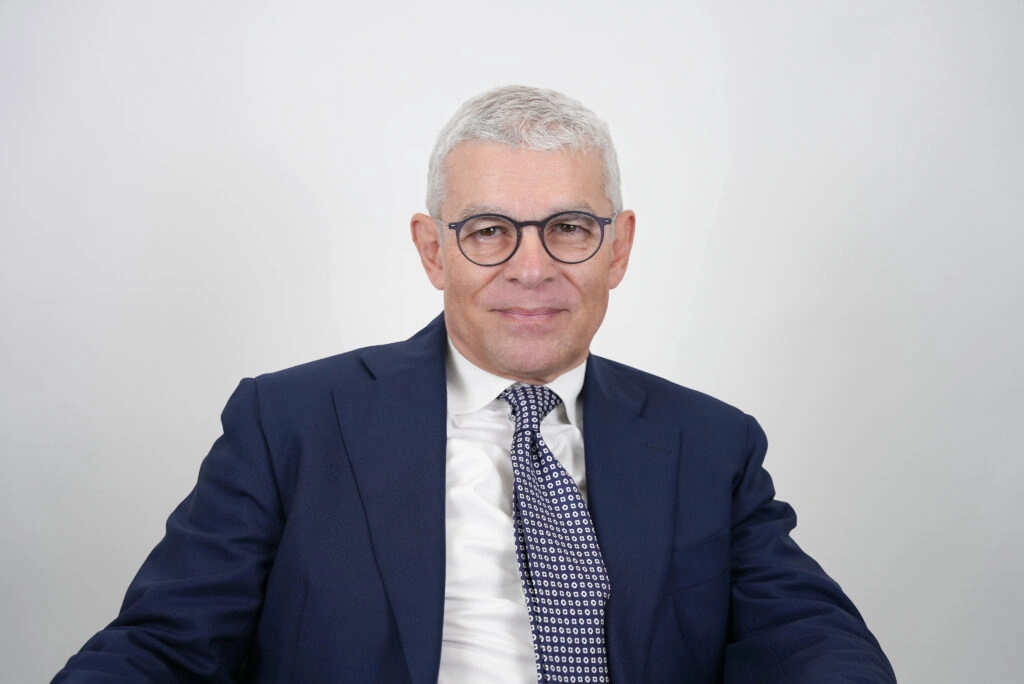
Surgical oncologist
View profileMore than 30 years of experience in hepatobiliary and complex gastrointestinal oncological surgery. Expert in major liver resections, multivisceral procedures and complex combined colorectal and liver cases.
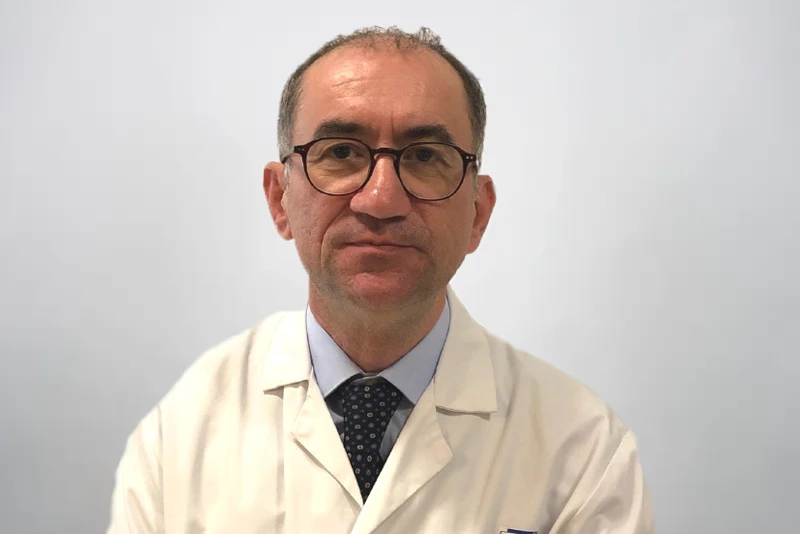
Hepatobiliary surgeon
View teamProfessor and hepatobiliary surgeon trained at high-volume European liver surgery centres. Expert in complex hepatectomies, minimally invasive liver resections and combined liver and peritoneal procedures in metastatic disease.
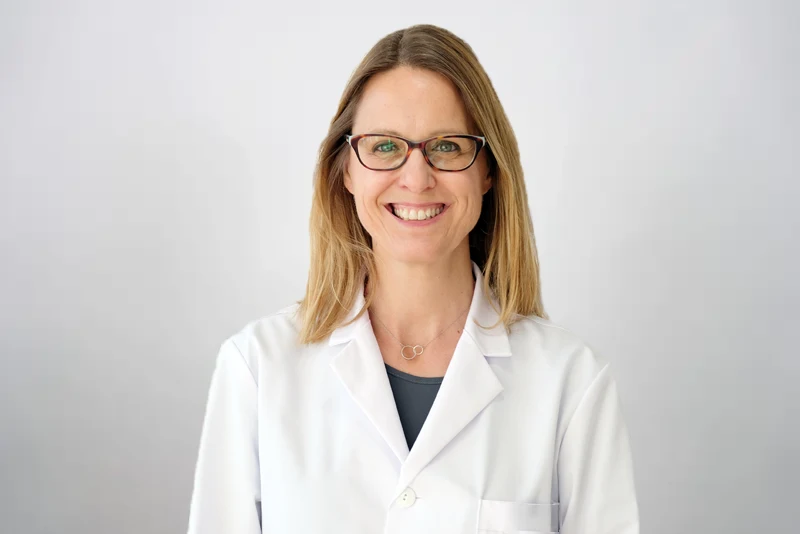
Medical oncologist
View teamMedical oncologist specialising in gastrointestinal and metastatic colorectal cancer. She coordinates perioperative systemic chemotherapy, conversion strategies to make resection possible and long-term follow-up after liver surgery.
Share your contrast CT or MRI, a PET scan if you have one, the pathology reports and a summary of your current oncological treatment. All documentation is handled through encrypted channels.
The hepatobiliary surgeon, the medical oncologist and the radiologist specialised in liver imaging review your case together. You receive a written assessment of resectability and a proposed treatment strategy.
You speak directly with the hepatobiliary surgeon about the plan, the expected extent of the resection, recovery and whether two-stage procedures may be needed. In Spanish, English, French or Italian.
Our international coordinator arranges the pre-operative preparation, travel, accommodation near the hospital for you and a companion, and transfers to and from the airport.
Usually 1 to 2 weeks before surgery. The hospital stay after a major hepatectomy is usually 5 to 10 days. Total time in Spain is usually 3 to 4 weeks. Follow-up is managed together with your local team.
Major liver resections, two-stage hepatectomies, ALPPS and combined liver and peritoneal procedures require a team with specific, regular experience. This is not routine surgery in general hospitals.
For a patient from Latin America, the case assessment, the video consultation with the surgeon and the travel arrangements are handled in their own language, with one contact person for the whole process.
Teknon in Barcelona and Memorial Publio Cordón in Madrid, 25-30 km from Madrid-Barajas airport. Both have private single suites and robotic operating theatres. The Madrid hospital is rated 4.9/5 on Google from more than 51 verified reviews.
Spanish, English, French and Italian. Our international coordinator is your single point of contact from sending the case to planning post-operative discharge.
I have peritoneal carcinomatosis. When I sent my diagnosis to every centre, practically all of them agreed on palliative chemo with little survival time, since I had a very aggressive type of cell. Until we reached Dr. Quenet, Dr. Torrent and their team. I can only confirm what their CV announces: they are far ahead of the rest. They saved my life, because during the operation the harmful cells that everyone had diagnosed, and that were the reason nobody would operate on me, were not there. This operation has become the best investment of my life.
In the public health system they gave my father a maximum of one year to live. They only offered him chemo and no hope, said it was impossible, that nothing could be done for him. He had several tumours inside the peritoneal sac with metastases. A year and a half later he is clean, completely cured. His latest PET (an imaging test) came back clean. We are very happy. Thanks to Dr. Torrent and his team. THANK YOU.
Wonderful surgical team, among the best there is. Dr. Torrent (expert in peritoneal carcinomatosis) is an exceptional surgeon and an even better person. His coordinator is super kind, fast and efficient. The personal care is excellent and so are the results. This is of vital importance for cancer patients.
The liver surgery programme is led by Dr. François Quenet and Prof. Fabrizio Panaro, with Dr. Clara Montagut as the medical oncologist who coordinates perioperative systemic therapy. The full multidisciplinary team reviews every international case before issuing a recommendation.
We aim to reply in writing within 48 working hours of receiving your complete imaging and reports. This includes the multidisciplinary team's assessment of resectability and a proposed treatment plan.
In most cases, yes. A good-quality contrast CT or MRI gives enough information for a preliminary resectability assessment. If additional imaging or a pre-operative evaluation is needed, we will tell you before any travel is arranged.
Spanish, English, French and Italian.
After reviewing your case, we give you a detailed written quote covering the surgical procedure, anaesthesia, the hospital stay and standard post-operative care. The quote is issued before you commit to any travel. The initial case assessment is free of charge.
The hospital stay after a major hepatectomy is usually 5 to 10 days, depending on the extent of the resection and individual recovery. We recommend staying in Spain for another week after discharge before travelling home. Total time in Spain is usually 3 to 4 weeks.
Yes. Teknon in Barcelona and Memorial Publio Cordón in Madrid have private single suites. A companion can stay with the patient throughout the admission, and for international patients we actively encourage it: having family present makes communication with the team and recovery after discharge easier.
We give you a complete discharge report with all the imaging, pathology, surgical findings and follow-up recommendations. Remote follow-up video consultations take place at agreed intervals. We coordinate with your local oncologist to ensure continuity of care after you return.
Send your imaging and clinical reports. The team will review your case within 48 hours and give you a clear opinion on resectability and the options.
We operate in two private hospitals in Spain. The same medical team treats you in Madrid and in Barcelona, with the same surgical and oncological protocols.
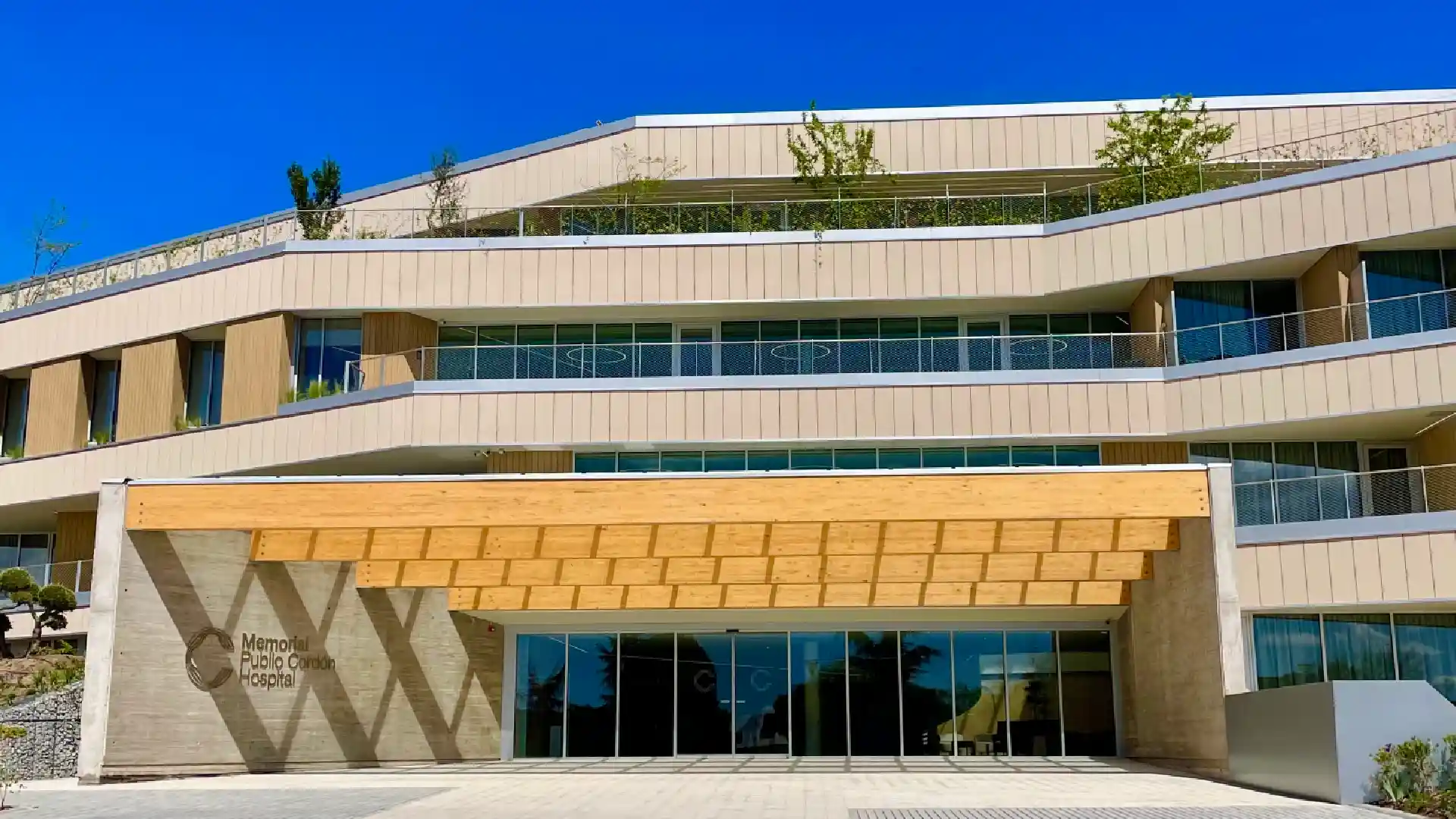
Private hospital in Pozuelo de Alarcón with a multidisciplinary team specialised in digestive surgical oncology.
View Memorial Publio Cordón Hospital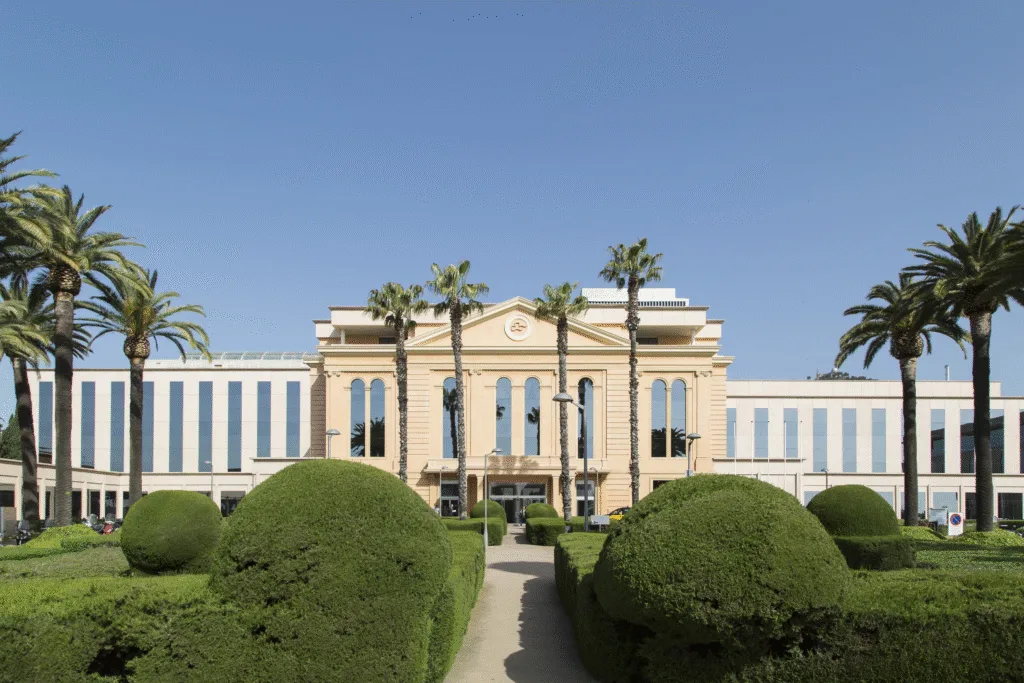
Private hospital in Barcelona where the team performs high-complexity surgical oncology.
View Centro Médico Teknon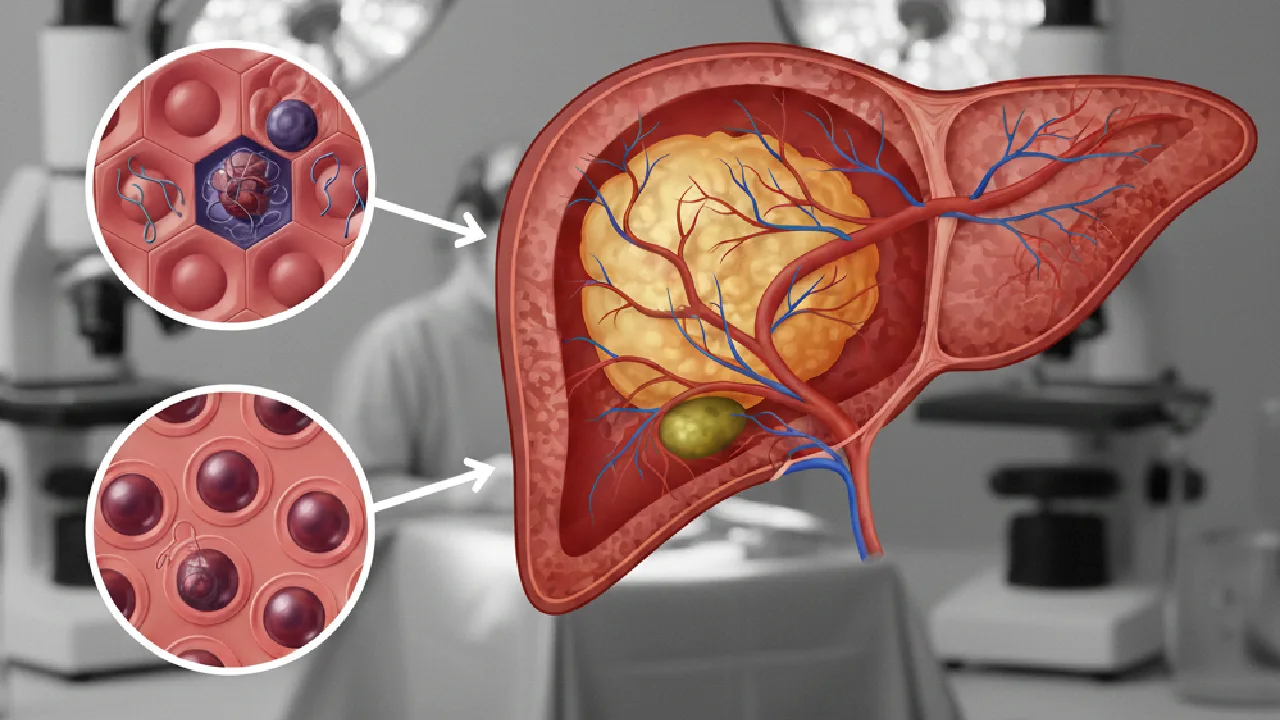
Resection is the only potentially curative treatment for liver metastases. What makes a case operable, and what to do if you have been told it is not.
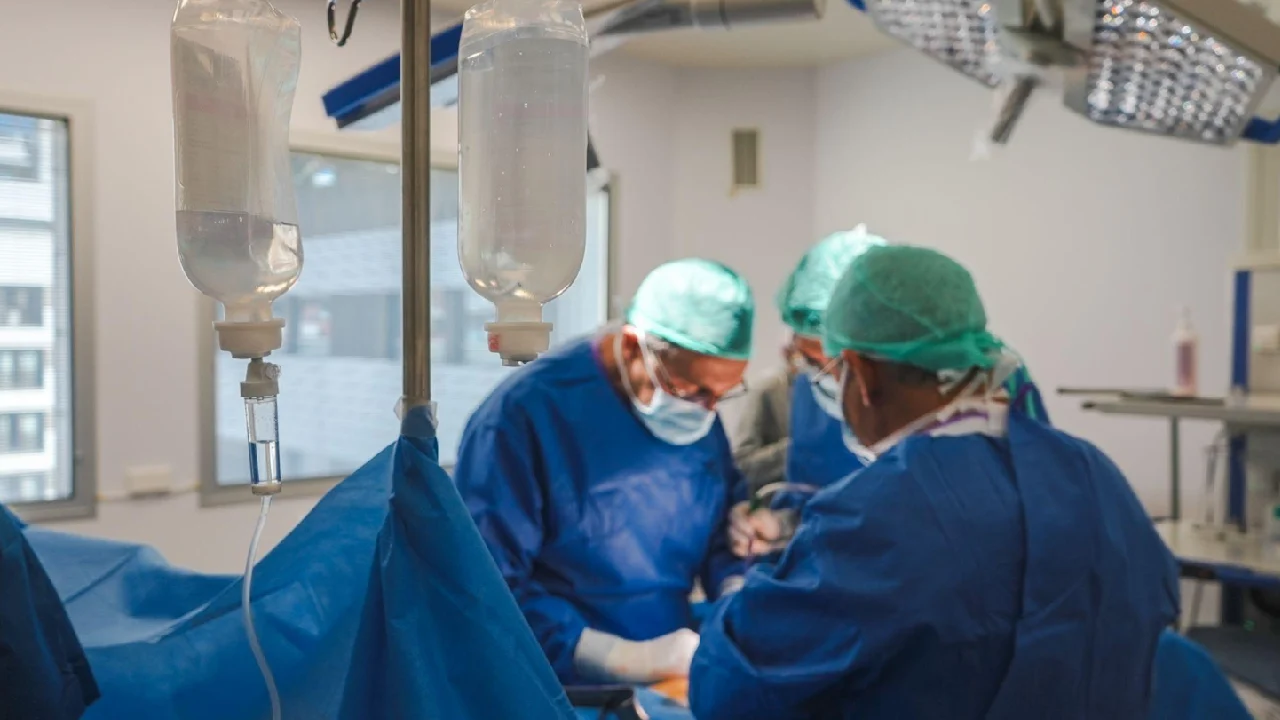
When liver metastases are diagnosed, the first question is: can you live with this disease? The answer is yes, and in selected cases a cure is possible.
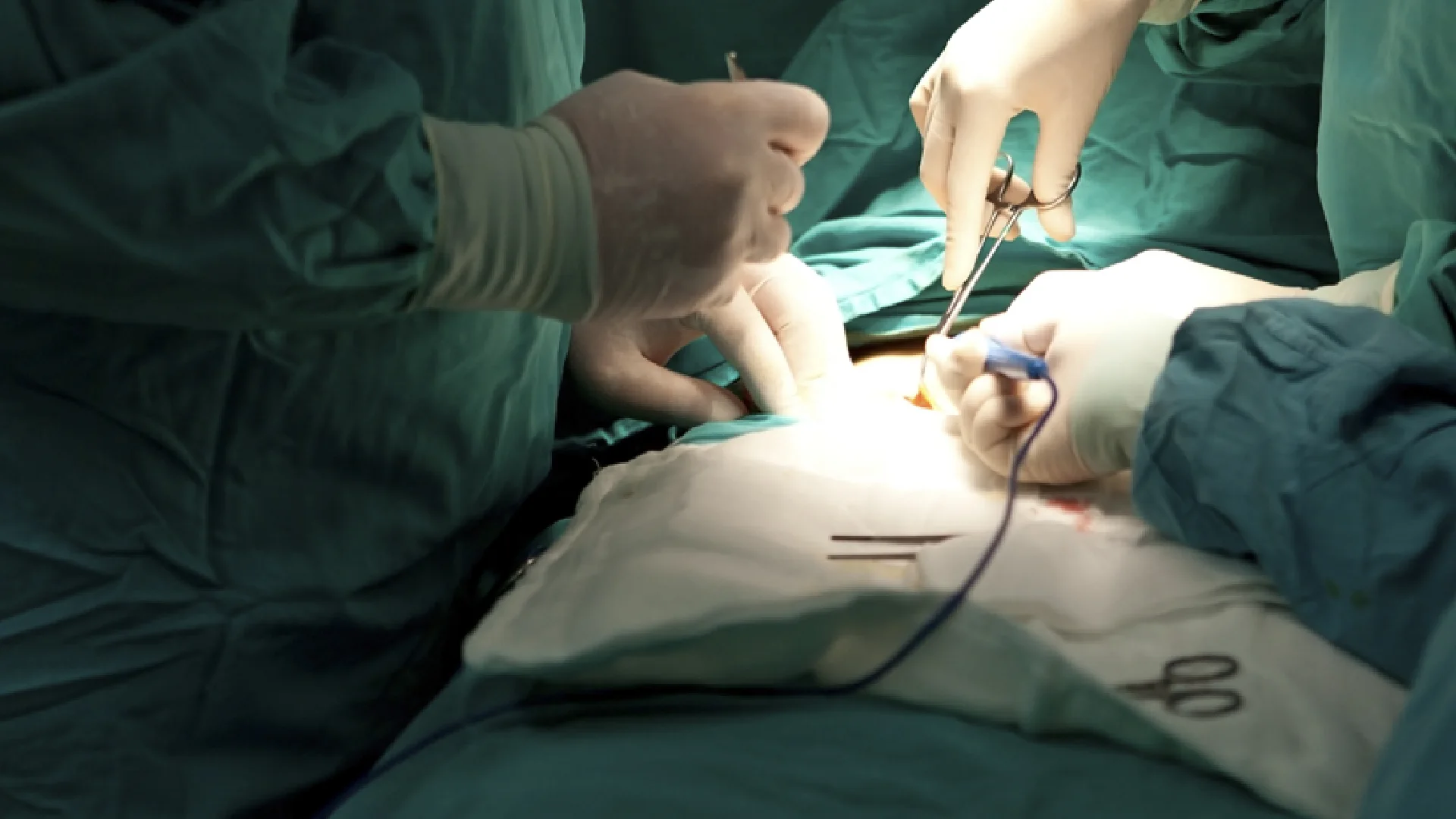
Dr. François Quenet takes part in a phase II trial published in JCO 2026 on hepatic arterial infusion (HAI) chemotherapy after surgery for colorectal liver metastases. We review the current indications for HAI.
Complete the form and schedule your appointment to speak directly with the surgeon.