Wedge resection
Removal of a small portion of liver including the tumor with a margin of healthy tissue. Indicated for small, superficial lesions.

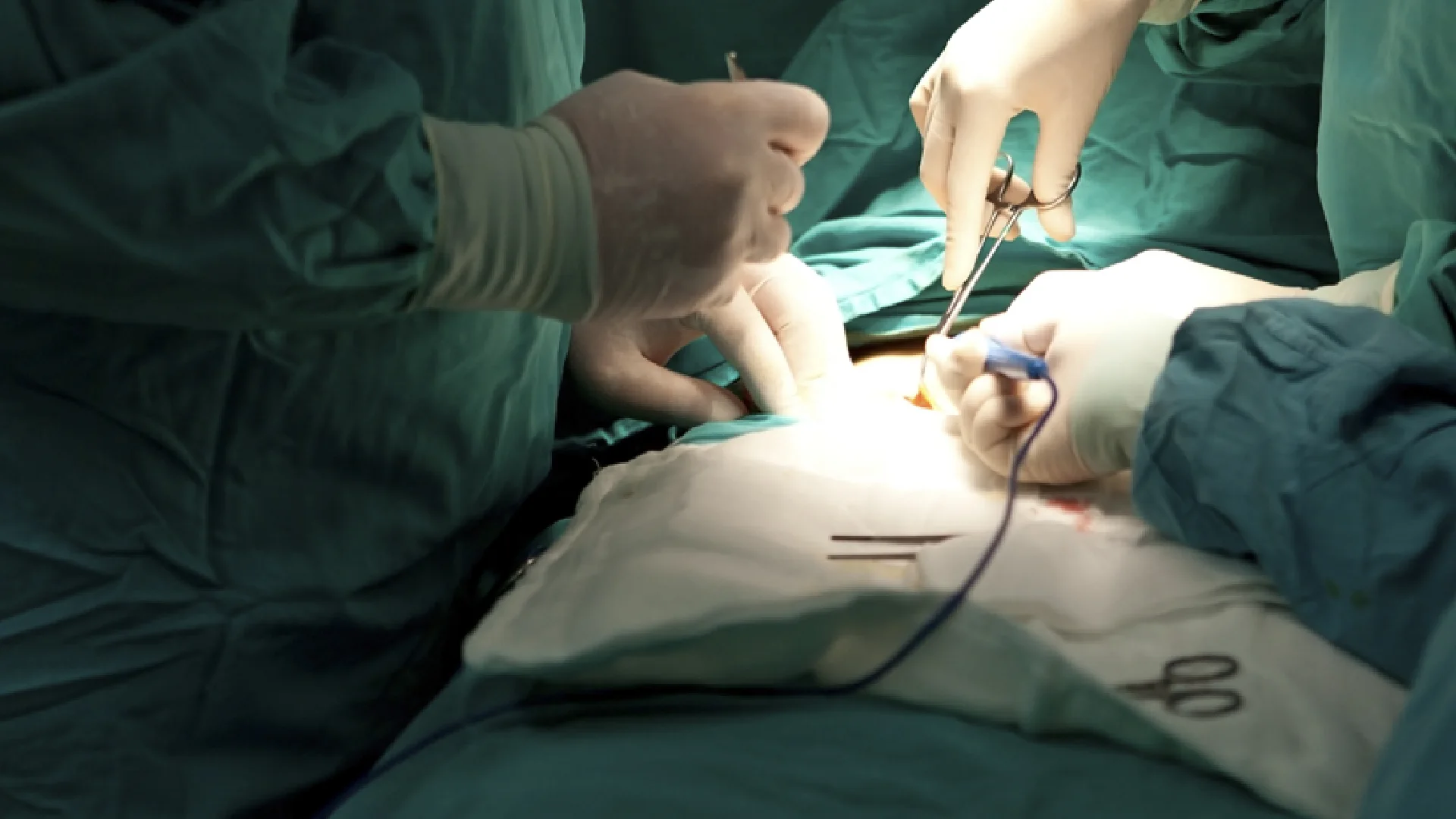
Oncological liver surgery for the treatment of metastases and primary liver tumors. The aim is to remove the whole tumor and leave enough healthy liver for it to keep working.
CONTACT SPECIALISTLiver resections consist of surgical removal of a portion of the liver containing a tumor. It is the treatment with the greatest curative potential for colorectal liver metastases and for primary liver tumors such as hepatocellular carcinoma.
The liver is able to regenerate, which allows removal of up to 70-80% of the organ in patients with preserved liver function. This property makes extensive resections with curative intent possible.
Different types of resection exist depending on tumor extent and location:
Removal of a small portion of liver including the tumor with a margin of healthy tissue. Indicated for small, superficial lesions.
Resection of one or several liver segments following the vascular anatomy of the liver. Allows larger resections with less parenchymal loss.
Removal of a complete liver lobe (right or left). Necessary for large or central tumors.
Resection of more than 60% of the liver. May require preoperative preparation techniques to increase the volume of the liver remnant.
These are some of the techniques we use:
Minimally invasive approach for selected resections, with less postoperative pain and faster recovery.
Preoperative technique to induce hypertrophy of the liver lobe that will remain after resection, making initially unresectable cases operable.
Two-stage procedure that accelerates liver regeneration, allowing extensive resections in patients with insufficient liver volume.
Real-time visualization of vascular anatomy and liver lesions during surgery to guide resection.
Liver resections are indicated in various pathologies:
Main indication for oncological liver surgery. Resection can be curative in selected patients with 5-year survival rates exceeding 50%.
Primary liver tumor. Resection is indicated in patients with preserved liver function and localized disease.
Intrahepatic bile duct tumor. Requires extensive resections including the affected bile duct.
In selected cases, metastases from neuroendocrine tumors, breast, ovary, or others may benefit from liver surgery.
At Quenet-Torrent Institute we have a team specialized in oncological hepatobiliary surgery. We perform the full spectrum of liver resections, from minimally invasive procedures to complex hepatectomies.
We work with interventional radiologists, medical oncologists, and hepatologists, and the treatment of each patient is decided jointly.

Liver resections are applied in the treatment of various oncological pathologies.
Liver metastases and primary liver tumors.
More information about hepatic tumorsMost frequent origin of liver metastases.
More information about colorectal tumorsCholangiocarcinomas requiring liver resection.
More information about biliopancreatic tumorsWe operate in two private hospitals in Spain. The same medical team treats you in Madrid and in Barcelona, with the same surgical and oncological protocols.
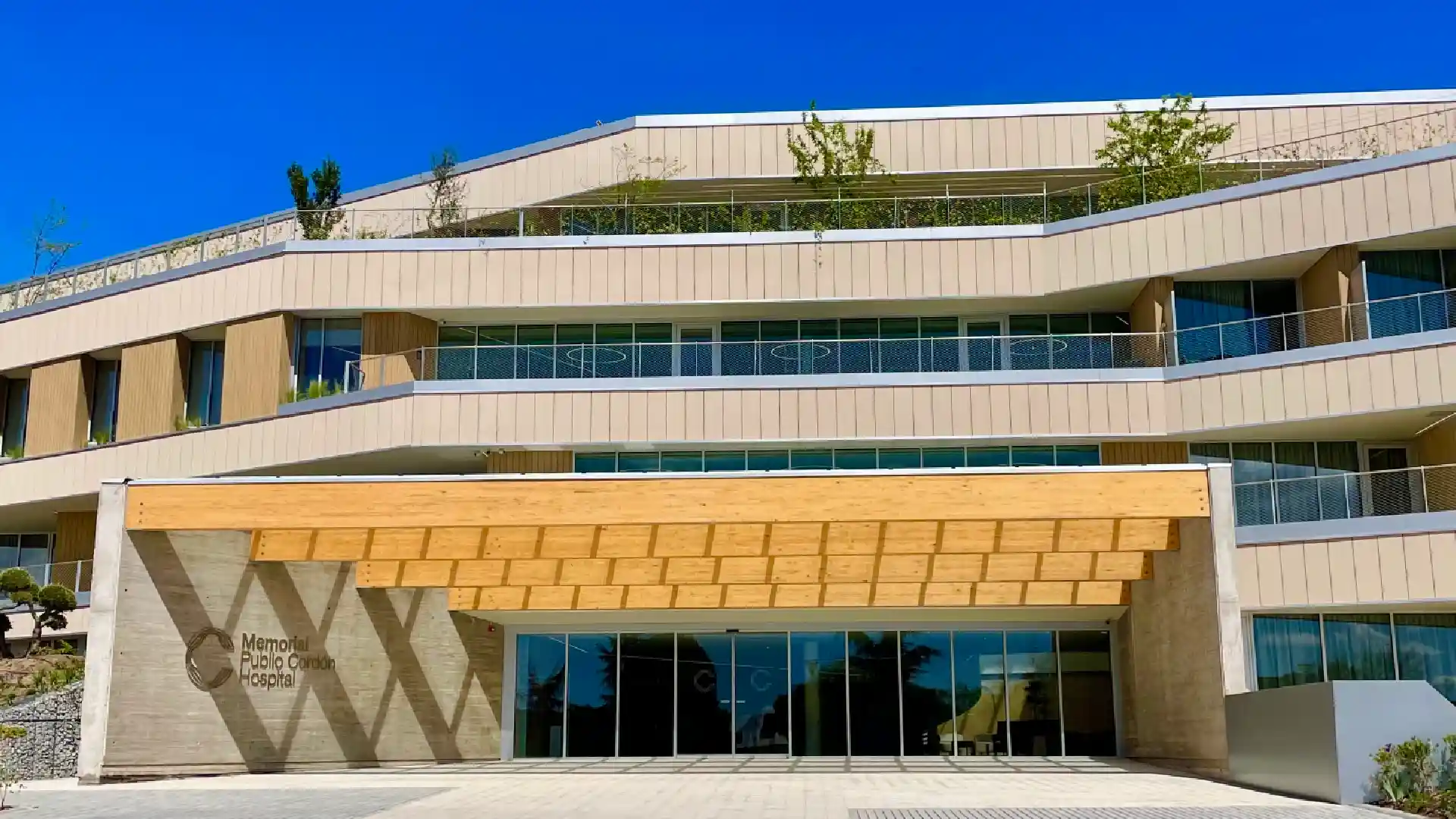
Private hospital in Pozuelo de Alarcón with a multidisciplinary team specialised in digestive surgical oncology.
View Memorial Publio Cordón Hospital
Private hospital in Barcelona where the team performs high-complexity surgical oncology.
View Centro Médico TeknonReal testimonies from patients treated by our team in high-complexity surgical oncology.
66-year-old English woman with advanced ovarian cancer and peritoneal metastases. Treated with cytoreduction + HIPEC, she is now disease-free.
Read the full case73-year-old patient with advanced cancer treated with chemotherapy and high-complexity surgical oncology, with good survival and quality of life.
Read the full caseA mistaken diagnosis of terminal colon cancer that a second opinion revealed to be pseudomyxoma peritonei, treatable with cytoreductive surgery and HIPEC.
Read the full caseDiagnosed with widespread peritoneal carcinomatosis and considered inoperable. After complete cytoreduction with HIPEC, today his is a story of survival.
Read the full caseWonderful surgical team, among the best out there. Dr. Torrent (expert in peritoneal carcinomatosis) is an exceptional surgeon and an even better person. His coordinator is super kind, fast and efficient. The personal care is excellent and so are the results. This is of vital importance for cancer patients.
In the public healthcare system they gave my father a maximum of one year to live. They only offered him chemo and no hope, said it was impossible, that nothing could be done. He had several tumors inside the peritoneal sac with metastases. A year and a half later he is clean, completely cured. His latest PET scan came back clean. We are very happy. Thanks to Dr. Torrent and his team. THANK YOU.
Excellent professionals, especially Dr. Torrent, attentive at all times to the patient (my wife), operated for peritoneal pseudomyxoma. They helped us with all our needs since we came from outside Barcelona. Thank you Elisabeth. We are very grateful to Quenet Torrent Institute, thank you for everything.
I am a 63-year-old patient. They detected adrenal gland cancer and told me there was nothing to be done. I sought a second opinion and they told me about the Quenet Torrent team, specialists in complex operations. Dr. Torrent, from the first moment, told me they could operate. They operated and removed a large tumor mass. I spent a week in the ICU and a month on the ward. Every day he came morning and evening, no matter Saturday or Sunday. Never throw in the towel. I am happy to have found these professionals who gave me my life back. Thank you.
Many thanks for your attention. Dr. Torrent always attentive, involved and decisive. The reception staff very pleasant and always offering the best option. 100% RECOMMENDED. THANK YOU.
Dr. Torrent helped me make the best decision at a difficult moment. I think he is a great professional and a person capable of accompanying you and putting himself in another's shoes. Thank you for everything.
I have peritoneal carcinomatosis. When I sent my diagnosis to every center, practically all of them agreed on palliative chemo with little survival time, since I had a very aggressive type of cell. Until we reached Dr. Quenet, Dr. Torrent and their team. I can only confirm what their CV announces: they are far ahead of the rest. They saved my life, because during the operation the harmful cells that everyone had diagnosed, and that were the reason nobody would operate on me, were not there. This intervention has become the best investment of my life.
The best decision of my life was finding this excellent team of surgeons who saved my husband's life. At a prestigious international clinic in Madrid he was given up for lost with advanced peritoneal carcinomatosis from appendiceal cancer, and thanks to them, the best professionals in this field, he was operated on very successfully. A perfect recovery with no complications, because they were on top of his progress at all times. They have a great quality: from the start they were very honest and close. I can only be deeply grateful; we went to buy time and thanks to them my husband got his life back.
Dr. Torrent is a brilliant surgeon and a very approachable and warm doctor, whose manner reveals all the qualities that make him a great person and professional: perseverance, innate curiosity and a desire to learn, humility, sincerity and empathy. Going through an operation is undoubtedly an intense experience, physically and emotionally, in which anxieties arise and you feel very vulnerable. All of that is normal, and as his former patient I can say that his care and professionalism throughout the process were absolutely exceptional. I felt very supported by him, with the confidence of knowing I was in the best hands. I will always be grateful to him. Moltes gràcies Dr. Torrent!
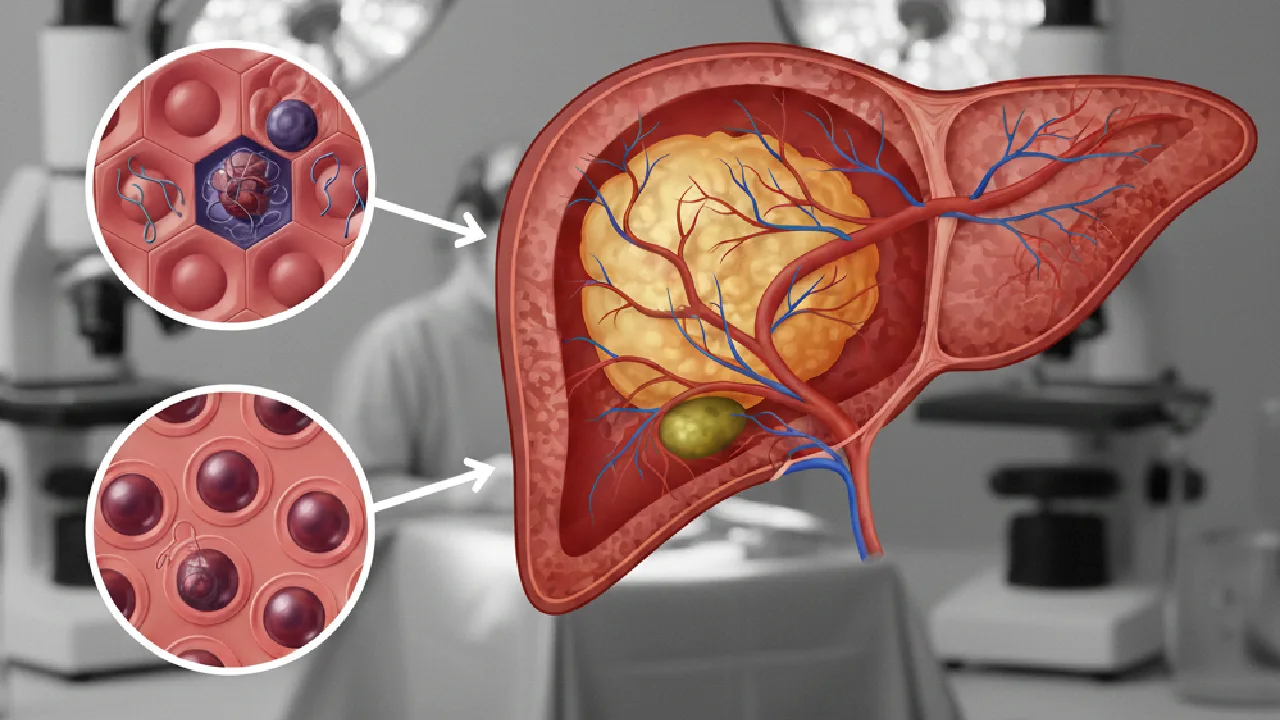
Resection is the only potentially curative treatment for liver metastases. What makes a case operable, and what to do if you have been told it is not.
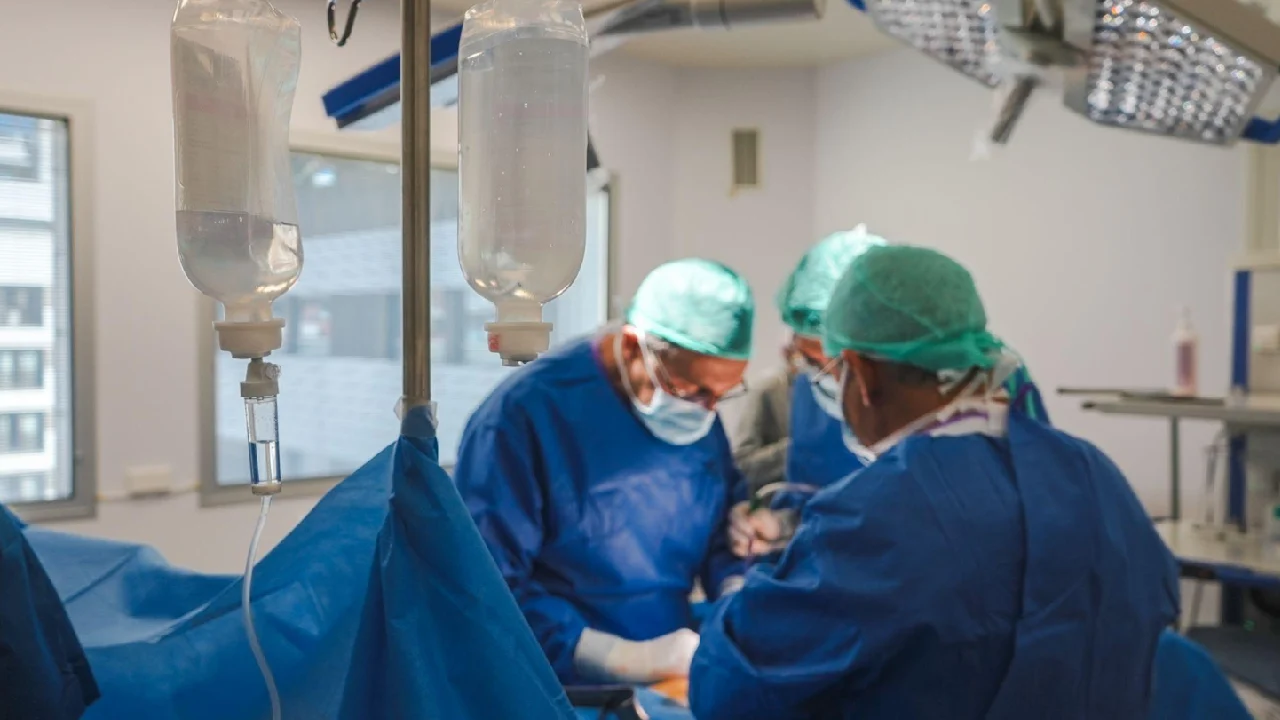
When liver metastases are diagnosed, the first question is: can you live with this disease? The answer is yes, and in selected cases a cure is possible.
Dr. François Quenet takes part in a phase II trial published in JCO 2026 on hepatic arterial infusion (HAI) chemotherapy after surgery for colorectal liver metastases. We review the current indications for HAI.
Complete the form and schedule your appointment to speak directly with the surgeon.