Peritoneal spread declared inoperable
Your medical team has told you that the peritoneal spread is too extensive or that cytoreduction is not feasible. You want an independent specialist assessment of resectability.

Specialist assessment of your peritoneal disease by Dr. Quenet's committee within 48 hours. We operate in Barcelona and Madrid, and we support international patients from the first contact until discharge.
Your medical team has told you that the peritoneal spread is too extensive or that cytoreduction is not feasible. You want an independent specialist assessment of resectability.
Peritoneal involvement from colorectal cancer, gastric cancer, ovarian cancer or pseudomyxoma peritonei requires specific surgical experience. We treat all of these origins.
You have already had a cytoreduction and are facing a recurrence. Repeat cytoreductive surgery is technically demanding and requires a team with experience in salvage peritoneal surgery.
You have received contradictory recommendations from different oncology teams. An independent assessment from a high-volume peritoneal surgery centre can bring clarity.
Peritoneal mesothelioma, desmoplastic small round cell tumour and other rare conditions are best treated at centres that see these diagnoses often.
You want surgery with an experienced team at a lower cost than private hospitals in the US, the UK or Switzerland.
Complete cytoreductive surgery, defined as the removal of all visible peritoneal tumour deposits (CC-0 or CC-1 resection), is the oncological goal in patients with peritoneal surface disease. The decision to operate requires careful staging, a realistic estimate of the PCI and a multidisciplinary plan that takes into account the patient's general condition and the biology of the tumour.
Before any travel is needed, we review your imaging and your surgical history to estimate the Peritoneal Cancer Index and tell you clearly whether complete cytoreduction is possible.
Cytoreduction for colorectal, gastric or ovarian cancer, pseudomyxoma or mesothelioma follows different technical and chemotherapy protocols. We adapt the approach to your specific diagnosis.
Complete cytoreduction often requires multivisceral resections (bowel, peritonectomy, diaphragmatic stripping, splenectomy or partial hepatectomy). Our team has experience in all combined resections.
When the evidence supports adding HIPEC to cytoreduction for your specific tumour type and stage, it is included in the procedure. We follow current guidelines and do not apply it indiscriminately.
Peritoneal surface oncology surgeon with more than 30 years of experience. He led the PRODIGE 7 randomised trial on HIPEC in colorectal carcinomatosis.
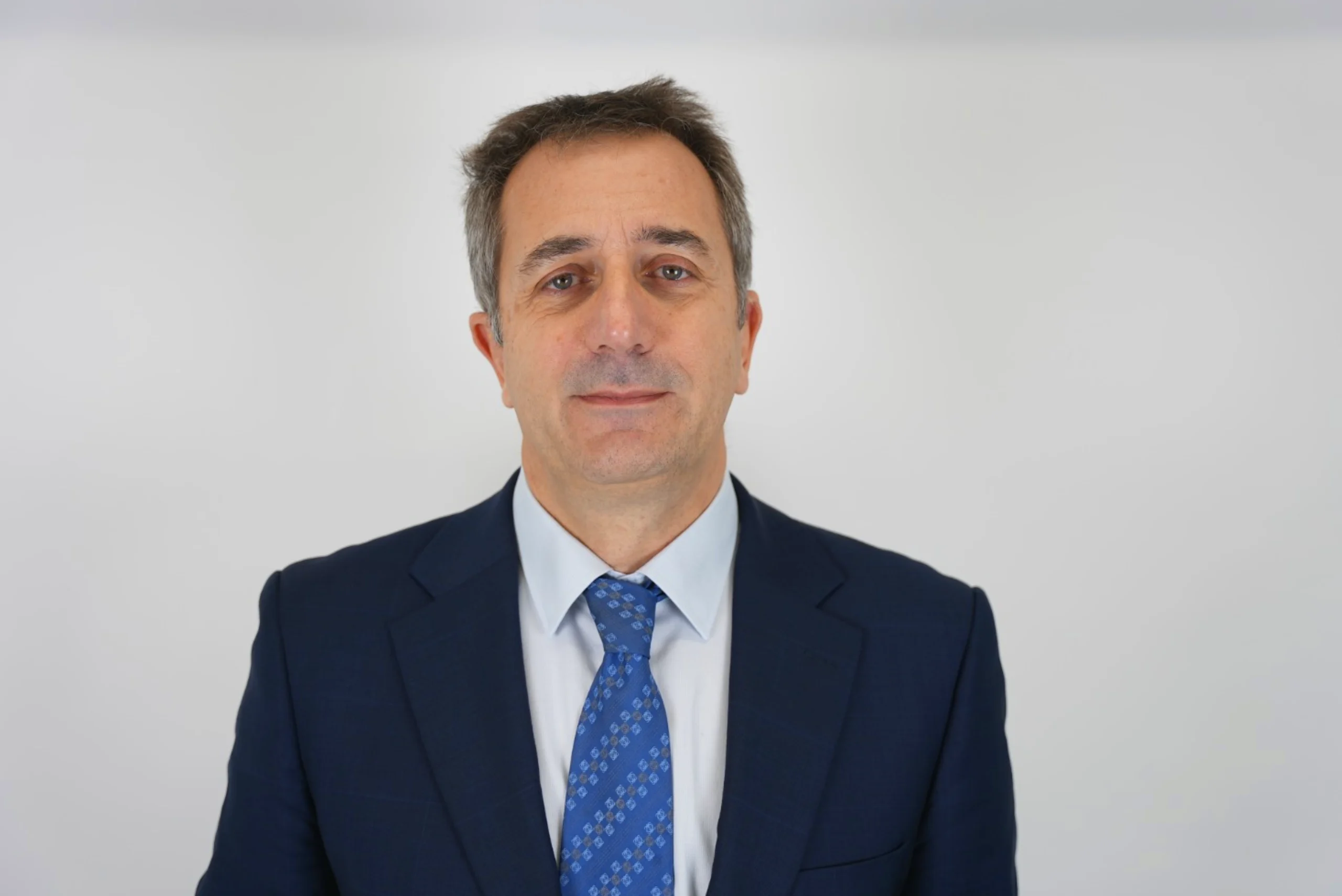
Surgical oncologist
View profileSpecialist in peritoneal surface oncology and complex gastrointestinal surgery. Wide experience in cytoreductive procedures for all primary tumours and in coordinating international patients.
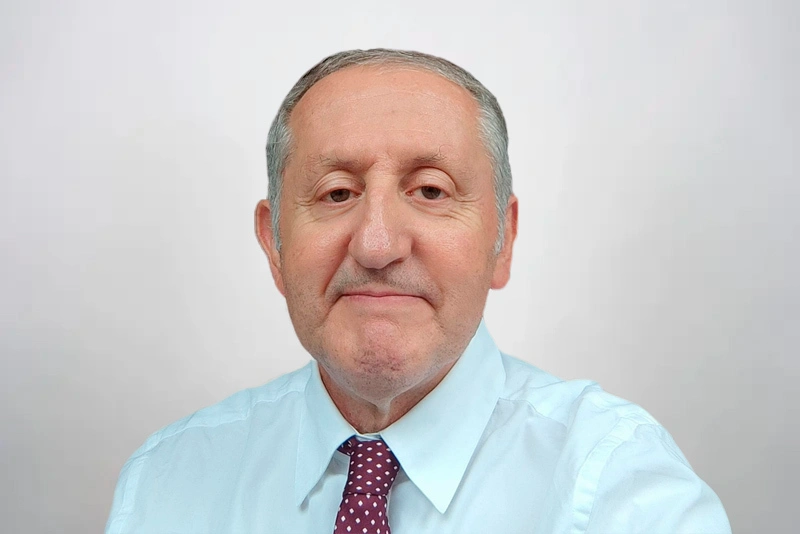
Surgical oncologist
View teamProfessor and surgical oncologist with a long career in peritoneal surface disease. Expert in gastric and colorectal peritoneal disease, multivisceral resections and HIPEC protocols.
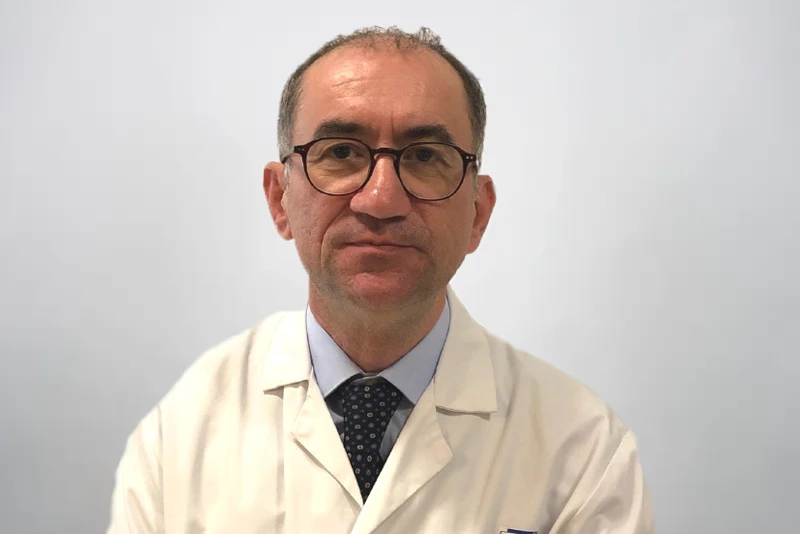
Surgical oncologist
View teamHepatobiliary and oncological surgeon trained internationally, with experience at high-volume European centres. Specialist in complex combined resections and in liver involvement from peritoneal disease.
Upload your CT, PET-CT or MRI images, surgical reports and pathology results through our encrypted system. There is no need to travel at this stage.
Your case is reviewed by the full tumour board: surgical oncology, medical oncology and radiology. You receive a written report with our assessment of resectability and the proposed plan.
You speak directly with the surgeon in charge of your case. He explains the cytoreduction plan, the expected extent of surgery and the recovery, and answers all your questions. Available in Spanish, English, French and Italian.
Our international coordinator handles the logistics once you decide to go ahead. Pre-operative tests are arranged to keep the number of trips to a minimum. There is accommodation near both hospitals for you and your companion.
Usually between 1 and 3 weeks before the planned date. The individual private suites at both hospitals allow your companion to stay with you throughout the admission. Planning of postoperative follow-up starts before you leave.
The results of peritoneal cytoreduction depend on volume. Our team has performed more than 3,000 procedures.
For a patient from Latin America, the case assessment, the video consultation with the surgeon and all the travel coordination are done in their own language, with a single contact person.
We operate at Centro Médico Teknon in Barcelona and at Hospital Memorial Publio Cordón in Madrid, 25-30 km from Madrid-Barajas airport, with its own car park, robotic operating theatres and individual private suites.
Spanish, English, French and Italian. Our international patient coordinator takes care of everything, from the first message to planning postoperative follow-up.
In the public health system they gave my father a year to live at most. They only gave him chemo treatment and no hope, they said it was impossible, that nothing could be done for him. He had several tumours inside the peritoneal sac with metastases. A year and a half later he is clear, completely cured. The last PET (imaging test) came back clear. We are very happy. Thanks to Dr. Torrent and his team. THANK YOU.
I am a 63-year-old patient. They found adrenal gland cancer and told me there was nothing to be done. I looked for a second opinion and was told about the Quenet Torrent team, specialists in complex operations. From the very first moment, Dr. Torrent told me they could operate. They operated and removed a large tumour mass. I spent a week in the ICU and a month on the ward. Never throw in the towel. I am happy to have found these professionals who gave me my life back. Thank you.
Excellent professionals, especially Dr. Torrent, attentive at all times to the patient (my wife), operated on for pseudomyxoma peritonei. They helped us with all our needs, since we came from outside Barcelona. Thank you Elisabeth. We are very grateful to the Quenet Torrent Institute, thank you for everything.
Wonderful surgical team, among the best there is. Dr. Torrent (expert in peritoneal carcinomatosis) is an exceptional surgeon and an even better person. His coordinator is super kind, quick and efficient. The personal care is great and so are the results. This is of vital importance for cancer patients.
Dr. François Quenet and Dr. Juan José Torrent lead the peritoneal cytoreduction programme. In complex cases, Prof. Luis González Bayón and Prof. Fabrizio Panaro also take part. The surgical team is decided after each individual case has been reviewed by the multidisciplinary tumour board.
The aim is to reply in writing within 48 working hours of receiving the complete documentation. The international patient coordinator will contact you to explain the committee's assessment, in your language. If tests are missing to make a decision, you are told exactly which ones before you arrange any travel.
In most cases, yes. A recent CT or PET-CT with the surgical and pathology reports allows our team to give a reliable preliminary assessment of resectability. In some cases additional imaging or an in-person pre-operative visit may be needed, but we keep unnecessary travel to a minimum.
Spanish, English, French and Italian.
Yes. After reviewing your case we give you a detailed written quote covering the surgical procedure, the hospital stay and standard postoperative care. You receive it before arranging any travel, so you can decide with the figures in front of you and check with your insurer if you have international cover.
Cytoreductive surgery usually requires a hospital stay of 7 to 14 days. After discharge, we recommend staying in the area for another 5 to 7 days before travelling home, depending on your recovery. The total time in Spain is usually 3 to 4 weeks from the pre-operative assessment to departure.
Yes. Teknon in Barcelona and Memorial Publio Cordón in Madrid have individual private suites. A companion can stay overnight in the room throughout the admission, and for international patients we specifically recommend it: having a family member present makes communication with the team and recovery after discharge easier.
We give you a detailed discharge report with all the follow-up recommendations for your local oncology team. There are follow-up video consultations with our team at set intervals. We coordinate with your oncologist to ensure continuity of care.
Send your images and reports. The team will give you an assessment of resectability within 48 hours.
We operate in two private hospitals in Spain. The same medical team treats you in Madrid and in Barcelona, with the same surgical and oncological protocols.
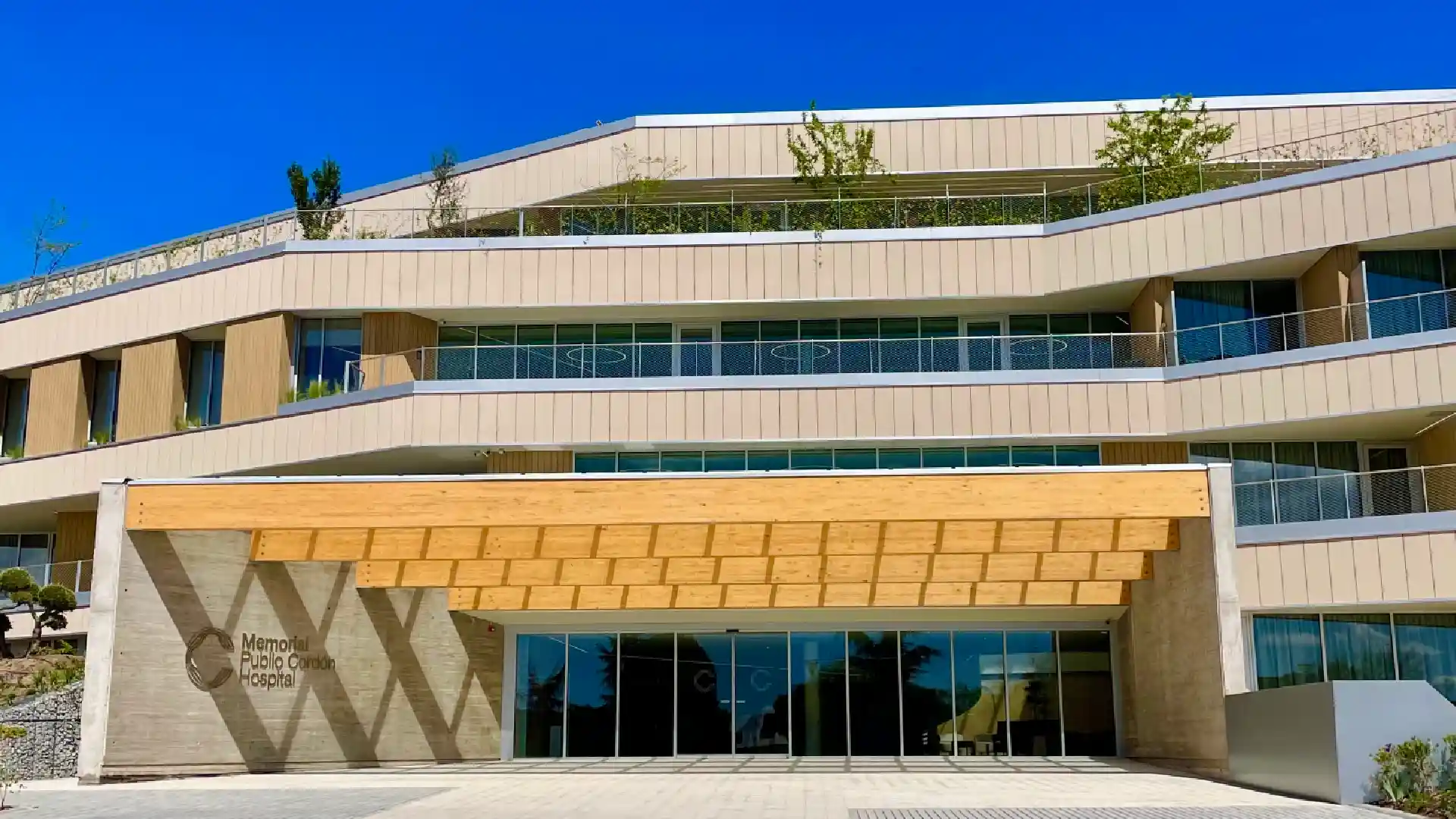
Private hospital in Pozuelo de Alarcón with a multidisciplinary team specialised in digestive surgical oncology.
View Memorial Publio Cordón Hospital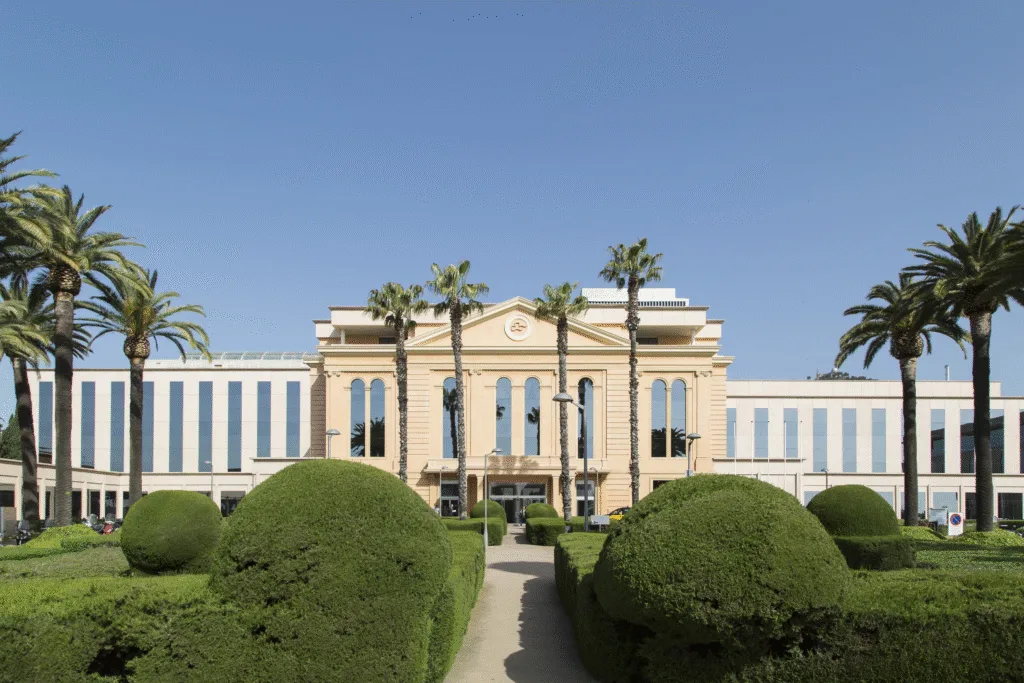
Private hospital in Barcelona where the team performs high-complexity surgical oncology.
View Centro Médico Teknon
Cytoreductive surgery is used in the treatment of advanced cancers with abdominal involvement. We explain what it is, when it is indicated, how it is performed and what results it offers.

Prognosis in peritoneal carcinomatosis does not depend on a single figure. Tumour type, extent, cytoreductive surgery and the patient's condition determine the course of the disease.
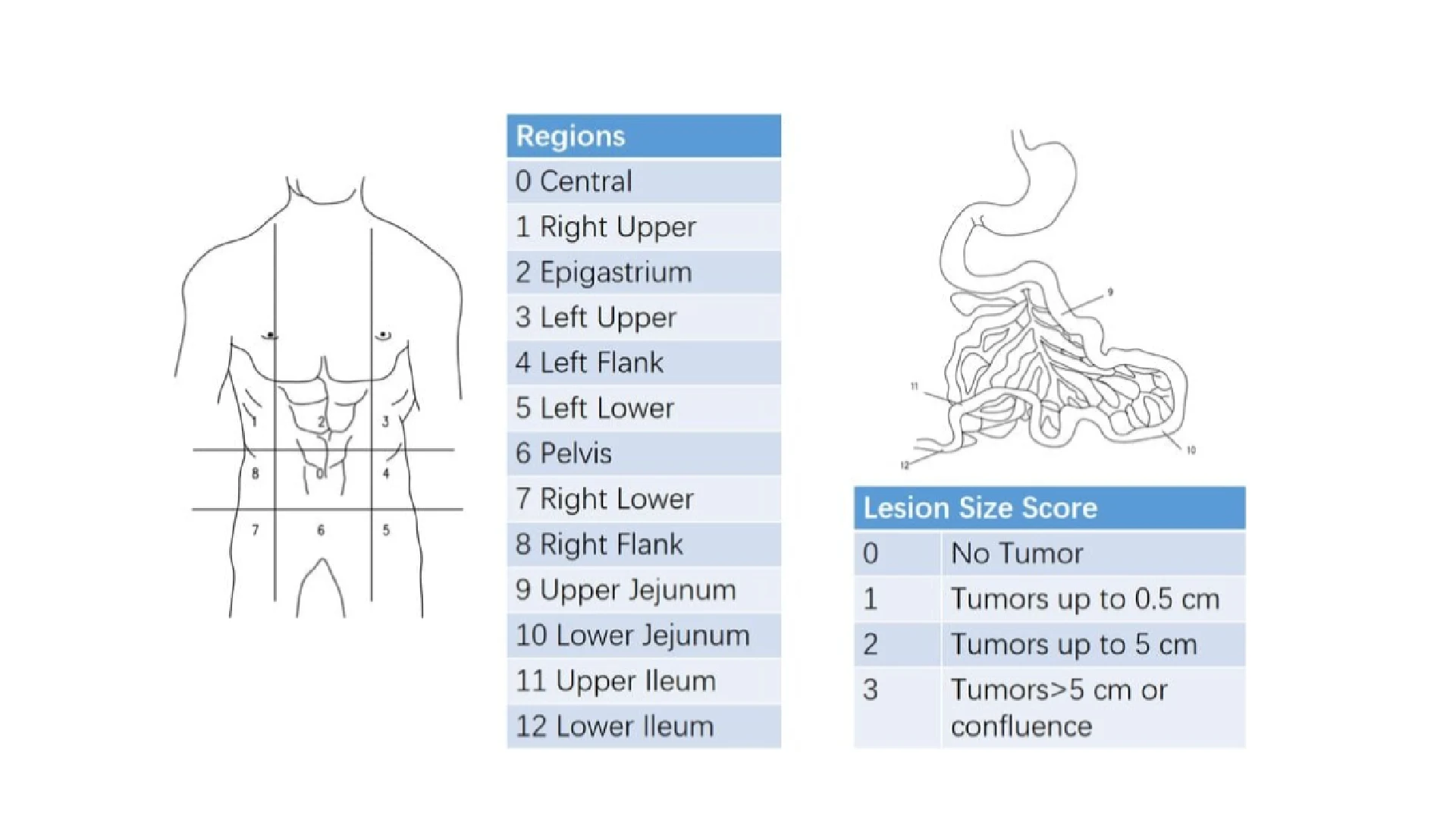
Clinical guide to the Peritoneal Cancer Index (PCI): what it measures, how it is calculated, how it is applied in treatment decisions and its relationship with cytoreductive surgery.
Complete the form and schedule your appointment to speak directly with the surgeon.