Confirm resectability
Confirm whether the case is potentially resectable.

Quenet-Torrent Institute has a unit specialized in the treatment of ovarian cancer. Treatment is based on complete cytoreductive surgery, with or without HIPEC, and is decided by a multidisciplinary board.
ASK FOR YOUR SECOND OPINIONAdvanced ovarian cancer with peritoneal involvement is treated with complete cytoreductive surgery with HIPEC in selected patients. At Quenet-Torrent Institute (Centro Médico Teknon, Barcelona · Hospital Memorial Publio Cordón, Madrid), the team of Dr. François Quenet and Dr. Juan José Torrent, with review by Prof. Luis González Bayón, has performed more than 3,000 CRS+HIPEC procedures for peritoneal carcinomatosis.
What ovarian cancer is, how it presents and why it requires a specialized approach.
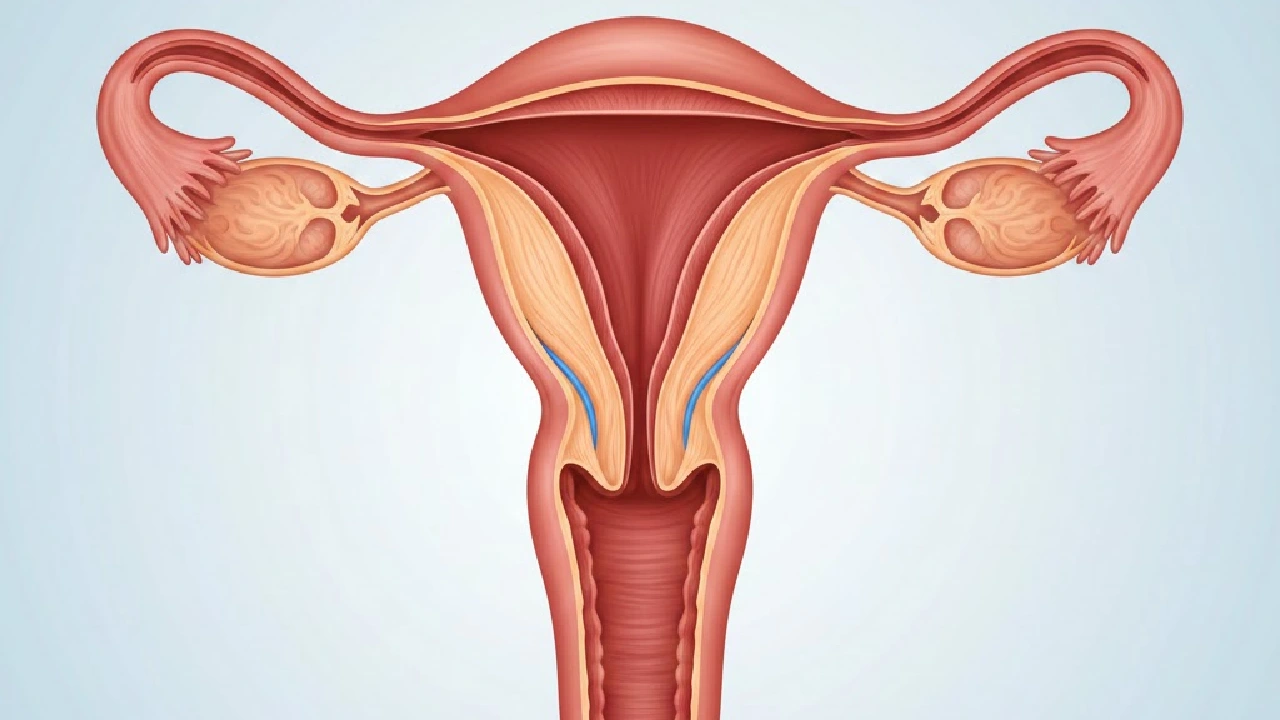
Ovarian cancer is a malignant tumor that arises in the cells of the ovaries. It is the gynecological tumor with the highest mortality because in most cases it is diagnosed when it has already spread to the peritoneum. There are different histological subtypes, high-grade serous carcinoma being the most common.
The main risk factors are age over 50, family history, BRCA1/BRCA2 mutations, endometriosis and an early first period or late menopause. Symptoms, although non-specific, include abdominal swelling, loss of appetite, pelvic discomfort, bowel changes and needing to urinate often.
Early detection improves the prognosis, but it is usually diagnosed at advanced stages, and in that setting the quality of cytoreductive surgery is what most influences survival.
Ovarian cancer is considered a silent disease because in its early stages it causes little discomfort and, when symptoms do appear, they are non-specific and easy to confuse with benign digestive or gynecological problems. This is one of the reasons why most cases are diagnosed at advanced stages, which makes it especially important to pay attention to persistent signs.
The most common symptoms are continuous abdominal swelling or bloating, pelvic or abdominal pain, feeling full early with loss of appetite, and needing to urinate more often or more urgently. There may also be changes in bowel habits, tiredness, weight loss with no apparent cause and, especially after menopause, abnormal vaginal bleeding. When these complaints last more than two or three weeks or get progressively worse, it is advisable to see a specialist to rule out the disease.
There is no single cause that explains ovarian cancer. It arises when cells of the ovaries, fallopian tubes or peritoneum accumulate genetic changes that cause uncontrolled growth, but in most cases no specific trigger can be identified. Several factors that increase the likelihood of developing it are known, however, although having them does not mean the disease will appear.
The risk increases with age, especially from 50 and after menopause, and very markedly when there are mutations in the BRCA1 and BRCA2 genes or Lynch syndrome. A family history of ovarian, breast or colon cancer, endometriosis, never having given birth and hormonal factors such as an early first period, late menopause or prolonged hormone replacement therapy also play a part. Assessing these factors makes it possible to set up follow-up strategies and, when appropriate, genetic testing.
Asking for a second surgical opinion is a sensible decision with a disease like ovarian cancer.
Confirm whether the case is potentially resectable.
Assess whether HIPEC or other high-complexity surgical techniques that can increase survival are feasible.
Compare the initial approach with that of a team specialized in gynecological carcinomatosis.
Set up an individual plan when the aim is to preserve fertility or minimize functional after-effects.
Many cases that arrive with a limited prognosis can benefit from a complete reassessment in a multidisciplinary surgical setting.
Surgical treatment is the basis of the treatment strategy for ovarian cancer. The aim of surgery is complete cytoreduction, that is, removing all visible disease.
For patients in good condition with a resectable tumor; it includes removals and resections according to the extent.
Performed after chemotherapy in initially unresectable cases, following a significant response.
For peritoneal involvement; it combines surgery with heated chemotherapy in the abdomen.
In advanced or recurrent cases involving several organs.
Each operation is performed under strict international oncological criteria and with the involvement of a board of specialists.
| Technique | When is it indicated? | Aim | Hospital stay |
|---|---|---|---|
| Primary cytoreduction | Resectable tumor at presentation, good functional status | Complete resection before chemotherapy | 7-12 days |
| Interval surgery | After 3-4 cycles of neoadjuvant chemotherapy with a good response | Resect after reducing the disease | 7-12 days |
| Cytoreduction + HIPEC | Peritoneal carcinomatosis from ovarian cancer | Combine surgery and hyperthermic intraperitoneal chemotherapy | 10-14 days |
| Pelvic exenteration | Recurrence or involvement of several pelvic organs | Extensive resection when other techniques are not enough | 14-21 days |
The final indications are set by the multidisciplinary board after reviewing your case.
In highly complex clinical settings, technology helps with the quality of surgical results.
Temperature and flow control for precise perfusion.
In very selected cases for greater precision.
Less invasive approach, with less bleeding and better recovery.
Operating room equipped with CT.
CT, PET and MRI improve candidate selection and surgical planning.
At Quenet-Torrent we stay with you throughout the process, from the initial assessment of your case to follow-up after surgery.
We focus on advanced and metastatic cancer, with techniques such as cytoreduction with HIPEC or pelvic exenteration, which not every center offers.
Surgeons, oncologists, radiologists, nutritionists and psychologists review your case together.
We follow the published scientific evidence and review our protocols when new data appear.
We have HIPEC perfusion equipment, 3D laparoscopy, robotic surgery and hybrid operating rooms, which allow precise and, when possible, less invasive operations.
We explain each step of the treatment and answer your questions throughout the process.
Surgeons on the team who treat ovarian cancer.

Oncological surgeon
View doctor: Dr. François Quenet"Surgeon with expertise in gastrointestinal and hepatobiliary tumors and in highly difficult operations."
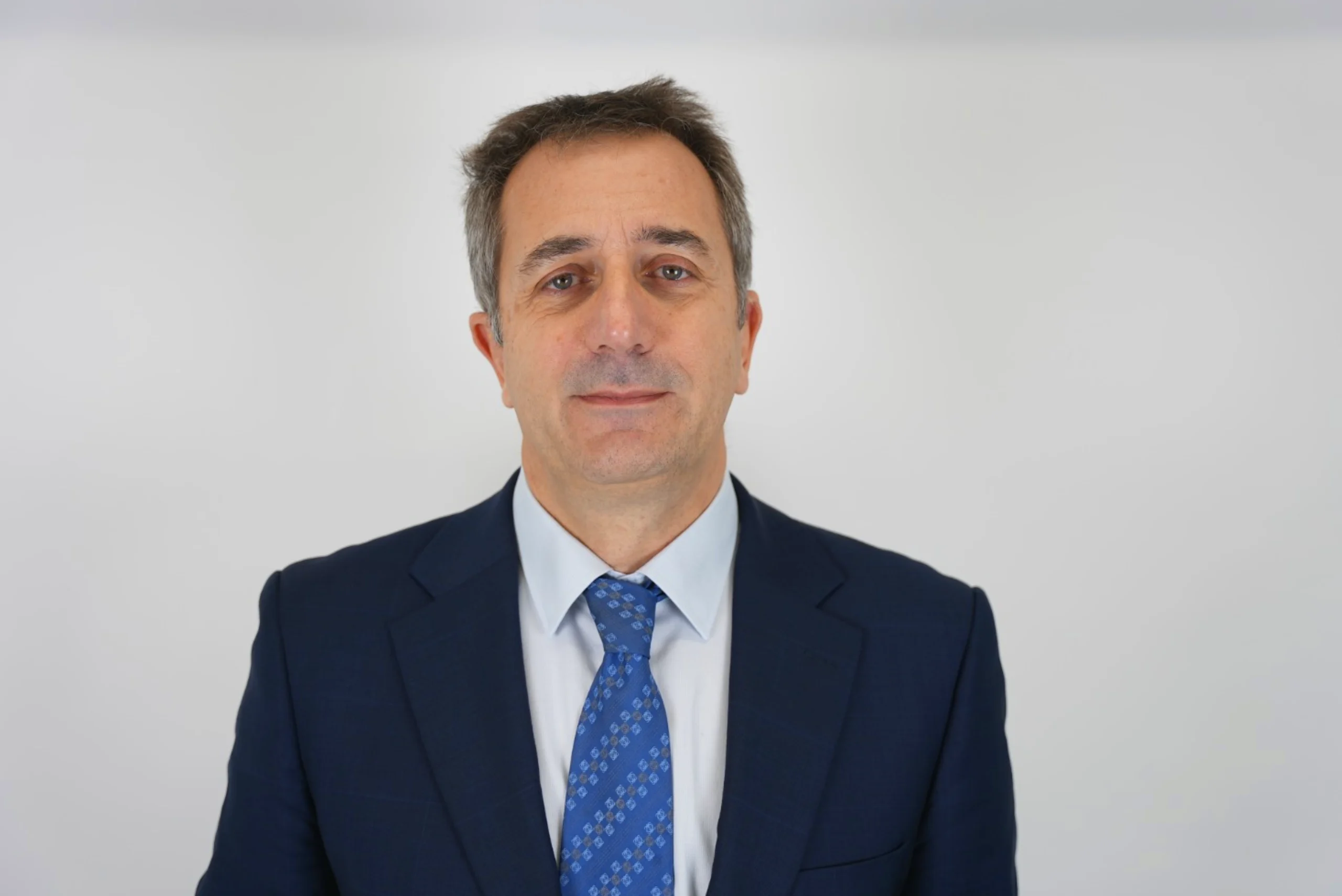
Oncological surgeon
View doctor: Dr. Juan José Torrent"Specialist in gynecological tumors, peritoneal carcinomatosis and complex oncological surgery."
Answers to the most common questions about diagnosis, treatment and prognosis.
Yes, especially when complete cytoreduction is achieved, that is, when no visible disease remains at the end of the operation. That is the factor with the greatest influence on survival in advanced ovarian cancer, more than the initial extent. Surgery is always combined with systemic treatment.
In many cases, yes. So-called interval surgery, performed after several cycles of neoadjuvant chemotherapy, is a common and effective strategy in extensive disease. Chemotherapy shrinks the tumor and allows complete cytoreduction with fewer complications than operating first.
It is hyperthermic intraperitoneal chemotherapy: it is given heated, directly into the abdomen, during the operation itself. It acts on microscopic cells that surgery cannot see. In ovarian cancer, the benefit has been shown mainly in interval surgery after neoadjuvant chemotherapy.
In very selected cases of early stage and low grade disease, conservative surgery that preserves the uterus and the healthy ovary may be considered. It requires complete surgical staging to confirm that the disease really is confined, and a joint assessment with oncology and the fertility unit.
Those of major abdominal surgery: bleeding, infection, leakage at the bowel joins if part of the intestine is resected, and thromboembolic complications. Extensive cytoreduction adds the risk of multiple resections. At specialized centers, mortality and serious complications are significantly reduced.
The hospital stay is usually 7 to 14 days and full recovery takes between 2 and 3 months, depending on the extent of surgery. Chemotherapy afterwards affects that timeline. Enhanced recovery protocols, with early mobilization and nutrition, shorten the stay.
In selected cases a second cytoreduction may be considered. The patients who benefit are those with platinum-sensitive recurrence, localized disease and good general condition, the profile identified by the AGO criteria and confirmed by the DESKTOP III trial. Outside that profile, treatment relies on chemotherapy.
In very selected cases of early stage disease, or for specific procedures such as staging or an assessment laparoscopy. In advanced disease with carcinomatosis, open surgery is still the approach that allows the whole abdominal cavity to be examined and treated, which is what determines the result.
It is advisable, especially if you have been told the disease is not operable or if the plan does not include complete cytoreduction. In advanced ovarian cancer, the criteria for operability vary widely between centers, and that difference translates into different results for the same patient.
At centers with proven experience in advanced ovarian cancer surgery and in peritoneal surgery. It is worth asking what complete cytoreduction rate the team achieves and how many cases it treats each year. That figure predicts the result far better than the technology available.
We review your case within 24-48 h. No commitment.
ASK FOR YOUR SECOND OPINIONWe operate in two private hospitals in Spain. The same medical team treats you in Madrid and in Barcelona, with the same surgical and oncological protocols.

Private hospital in Pozuelo de Alarcón with a multidisciplinary team specialised in digestive surgical oncology.
View Memorial Publio Cordón Hospital
Private hospital in Barcelona where the team performs high-complexity surgical oncology.
View Centro Médico TeknonWonderful surgical team, among the best out there. Dr. Torrent (expert in peritoneal carcinomatosis) is an exceptional surgeon and an even better person. His coordinator is super kind, fast and efficient. The personal care is excellent and so are the results. This is of vital importance for cancer patients.
In the public healthcare system they gave my father a maximum of one year to live. They only offered him chemo and no hope, said it was impossible, that nothing could be done. He had several tumors inside the peritoneal sac with metastases. A year and a half later he is clean, completely cured. His latest PET scan came back clean. We are very happy. Thanks to Dr. Torrent and his team. THANK YOU.
Excellent professionals, especially Dr. Torrent, attentive at all times to the patient (my wife), operated for peritoneal pseudomyxoma. They helped us with all our needs since we came from outside Barcelona. Thank you Elisabeth. We are very grateful to Quenet Torrent Institute, thank you for everything.
I am a 63-year-old patient. They detected adrenal gland cancer and told me there was nothing to be done. I sought a second opinion and they told me about the Quenet Torrent team, specialists in complex operations. Dr. Torrent, from the first moment, told me they could operate. They operated and removed a large tumor mass. I spent a week in the ICU and a month on the ward. Every day he came morning and evening, no matter Saturday or Sunday. Never throw in the towel. I am happy to have found these professionals who gave me my life back. Thank you.
Many thanks for your attention. Dr. Torrent always attentive, involved and decisive. The reception staff very pleasant and always offering the best option. 100% RECOMMENDED. THANK YOU.
Dr. Torrent helped me make the best decision at a difficult moment. I think he is a great professional and a person capable of accompanying you and putting himself in another's shoes. Thank you for everything.
I have peritoneal carcinomatosis. When I sent my diagnosis to every center, practically all of them agreed on palliative chemo with little survival time, since I had a very aggressive type of cell. Until we reached Dr. Quenet, Dr. Torrent and their team. I can only confirm what their CV announces: they are far ahead of the rest. They saved my life, because during the operation the harmful cells that everyone had diagnosed, and that were the reason nobody would operate on me, were not there. This intervention has become the best investment of my life.
The best decision of my life was finding this excellent team of surgeons who saved my husband's life. At a prestigious international clinic in Madrid he was given up for lost with advanced peritoneal carcinomatosis from appendiceal cancer, and thanks to them, the best professionals in this field, he was operated on very successfully. A perfect recovery with no complications, because they were on top of his progress at all times. They have a great quality: from the start they were very honest and close. I can only be deeply grateful; we went to buy time and thanks to them my husband got his life back.
Dr. Torrent is a brilliant surgeon and a very approachable and warm doctor, whose manner reveals all the qualities that make him a great person and professional: perseverance, innate curiosity and a desire to learn, humility, sincerity and empathy. Going through an operation is undoubtedly an intense experience, physically and emotionally, in which anxieties arise and you feel very vulnerable. All of that is normal, and as his former patient I can say that his care and professionalism throughout the process were absolutely exceptional. I felt very supported by him, with the confidence of knowing I was in the best hands. I will always be grateful to him. Moltes gràcies Dr. Torrent!
Learn about the symptoms of ovarian cancer, its early signs and when to consult a specialist. Guide prepared by oncological surgeons.

Survival in ovarian cancer varies greatly by stage: above 90-95% at 5 years in early disease, dropping to 20-40% in advanced stages. We analyse the factors that genuinely change the prognosis and why the centre and surgical quality matter as much as early diagnosis.

Dr. Juan José Torrent answers the most common questions from patients about ovarian cancer surgery: risks, recovery, fertility, and when to seek a second opinion.
Complete the form and schedule your appointment to speak directly with the surgeon.