1. Laparoscopic access
Two small incisions (5-12mm) are made to introduce the camera and nebulizer device into the abdominal cavity.

Minimally invasive technique that delivers chemotherapy as a pressurized aerosol directly into the abdominal cavity for the treatment of peritoneal carcinomatosis.
CONTACT SPECIALISTPIPAC (Pressurized Intraperitoneal Aerosol Chemotherapy) is a technique that delivers chemotherapy as a pressurized aerosol directly into the abdominal cavity. It is performed via laparoscopy, making it a minimally invasive procedure.
Unlike HIPEC, PIPAC can be performed repeatedly and is especially indicated for patients with extensive peritoneal carcinomatosis who are not candidates for complete cytoreductive surgery, or as neoadjuvant treatment to reduce tumor burden.
PIPAC is performed in the operating room under general anesthesia using laparoscopic technique:
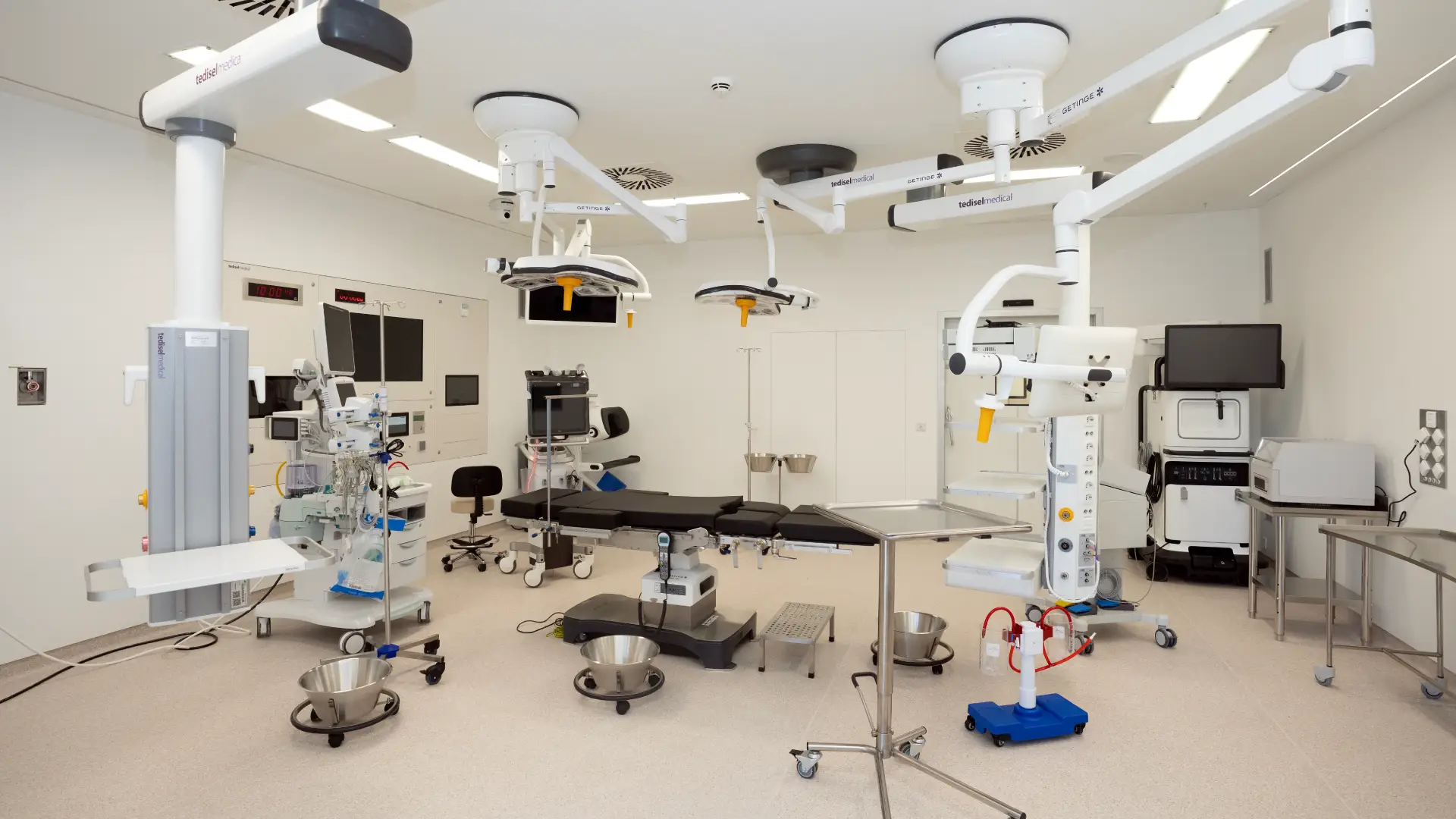
Two small incisions (5-12mm) are made to introduce the camera and nebulizer device into the abdominal cavity.
Visual evaluation of the abdominal cavity, documentation of tumor extent, and biopsies for histological analysis.
Chemotherapy is nebulized at high pressure (12 mmHg) creating an aerosol that distributes evenly across the entire peritoneal surface.
The aerosol remains in contact with the peritoneum for 30 minutes, after which it is safely evacuated and the incisions are closed.
PIPAC has these advantages over other peritoneal carcinomatosis treatments:
Performed laparoscopically through only two small incisions, allowing rapid patient recovery.
Can be performed multiple times (every 6-8 weeks), allowing sustained treatment of peritoneal disease.
The aerosol pressure allows chemotherapy to penetrate deeper into tumor tissue than liquid chemotherapy.
Systemic toxicity is very low, allowing patients to maintain quality of life during treatment.
PIPAC is especially indicated in the following situations:
Patients with extensive peritoneal carcinomatosis who are not candidates for complete cytoreductive surgery with HIPEC.
To reduce tumor burden before definitive cytoreductive surgery, converting inoperable cases to operable ones.
In patients with carcinomatosis recurrence after previous treatment with HIPEC or other therapies.
To control malignant ascites and improve quality of life in patients with advanced disease.
At Quenet-Torrent Institute we treat patients with PIPAC following specific protocols developed by our team, which takes part in international clinical trials.
PIPAC widens the treatment options for peritoneal carcinomatosis in patients who are not candidates for complete cytoreductive surgery.
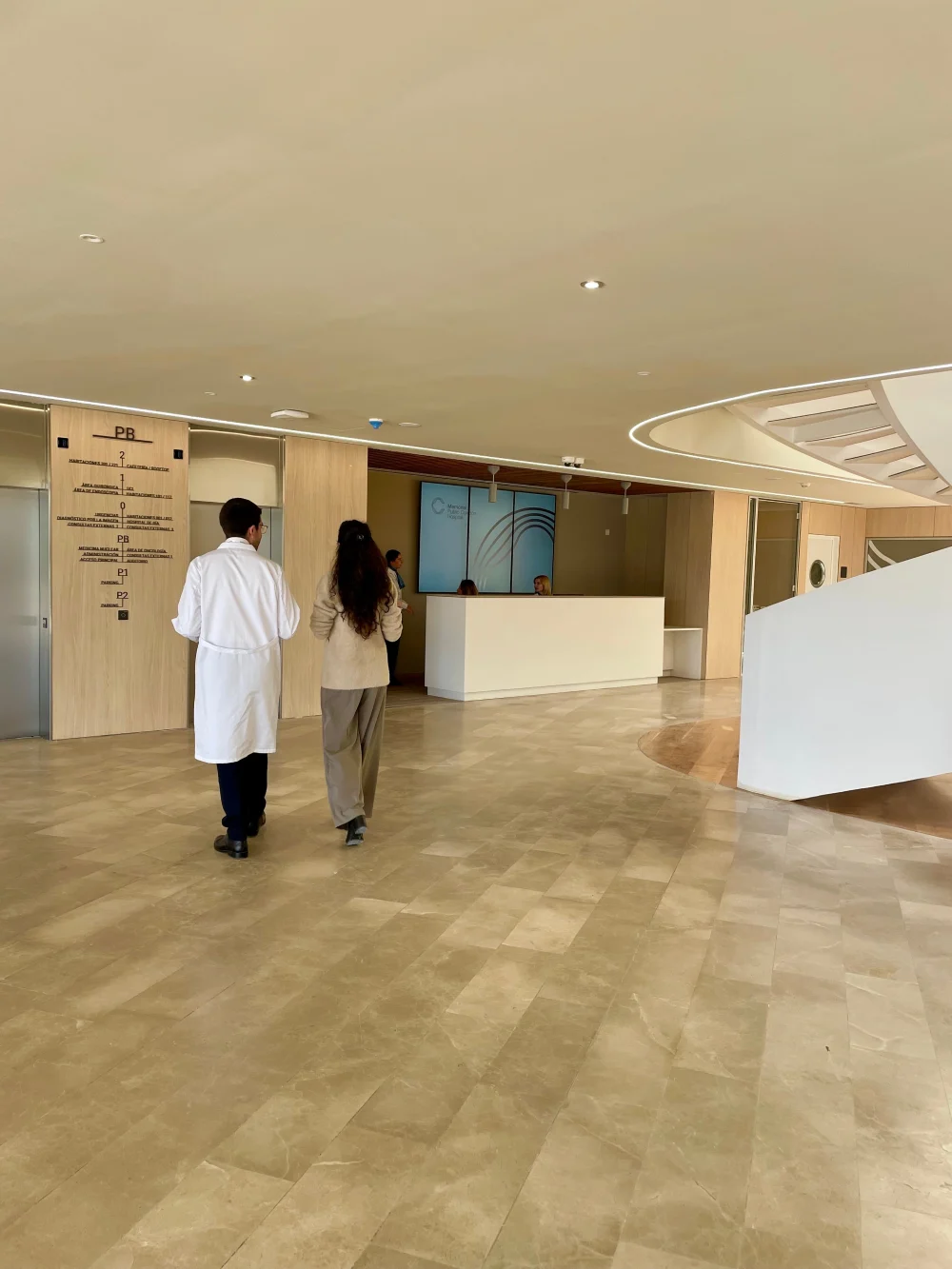
The PIPAC procedure is used in the treatment of various pathologies with peritoneal involvement.
Treatment of peritoneal tumor spread from various origins.
More information about peritoneal carcinomatosisEspecially useful in advanced or recurrent ovarian cancer.
More information about gynecological tumorsIn unresectable gastric carcinomatosis.
More information about esophagogastric tumorsWe operate in two private hospitals in Spain. The same medical team treats you in Madrid and in Barcelona, with the same surgical and oncological protocols.
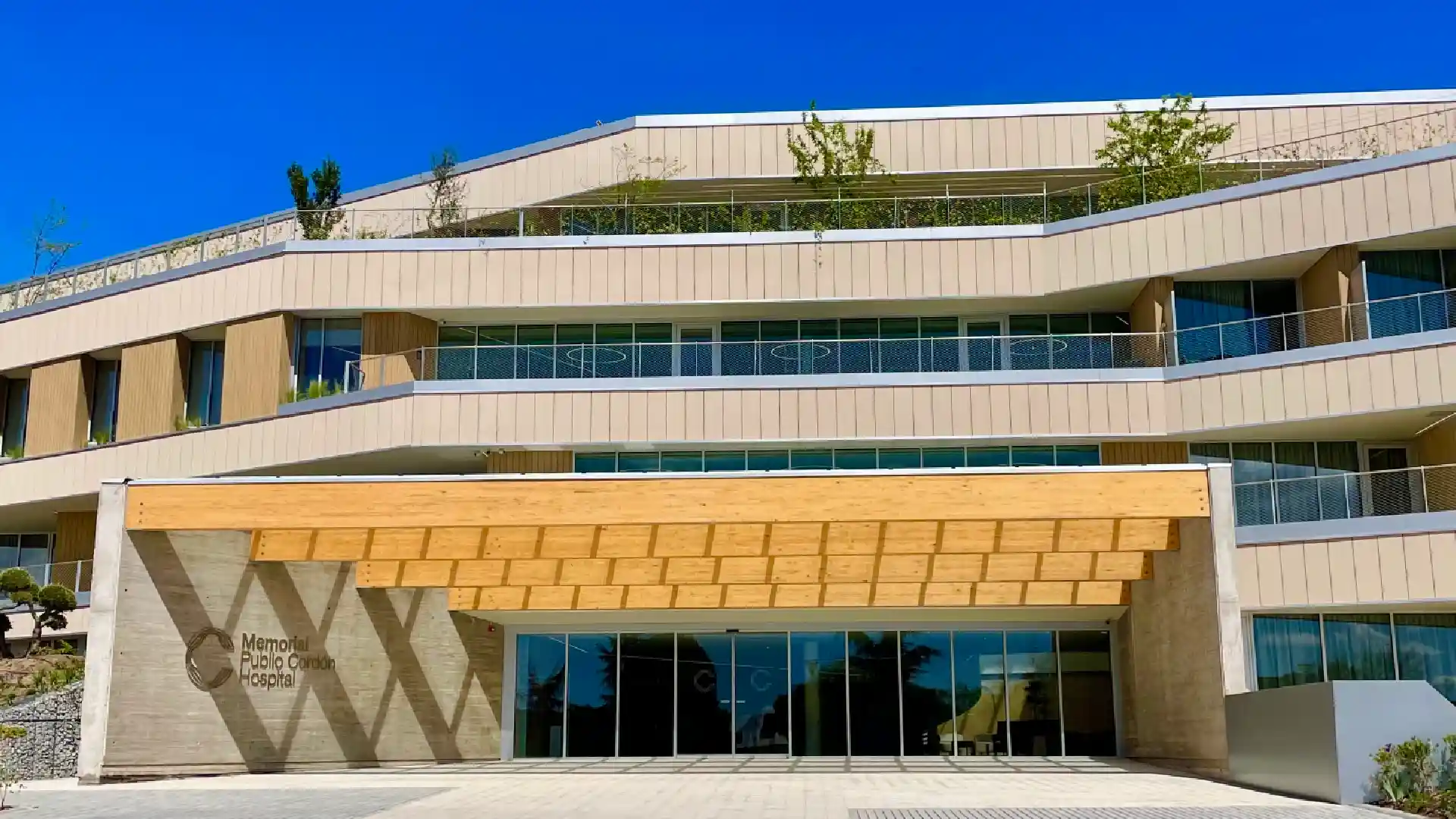
Private hospital in Pozuelo de Alarcón with a multidisciplinary team specialised in digestive surgical oncology.
View Memorial Publio Cordón Hospital
Private hospital in Barcelona where the team performs high-complexity surgical oncology.
View Centro Médico TeknonWonderful surgical team, among the best out there. Dr. Torrent (expert in peritoneal carcinomatosis) is an exceptional surgeon and an even better person. His coordinator is super kind, fast and efficient. The personal care is excellent and so are the results. This is of vital importance for cancer patients.
In the public healthcare system they gave my father a maximum of one year to live. They only offered him chemo and no hope, said it was impossible, that nothing could be done. He had several tumors inside the peritoneal sac with metastases. A year and a half later he is clean, completely cured. His latest PET scan came back clean. We are very happy. Thanks to Dr. Torrent and his team. THANK YOU.
Excellent professionals, especially Dr. Torrent, attentive at all times to the patient (my wife), operated for peritoneal pseudomyxoma. They helped us with all our needs since we came from outside Barcelona. Thank you Elisabeth. We are very grateful to Quenet Torrent Institute, thank you for everything.
I am a 63-year-old patient. They detected adrenal gland cancer and told me there was nothing to be done. I sought a second opinion and they told me about the Quenet Torrent team, specialists in complex operations. Dr. Torrent, from the first moment, told me they could operate. They operated and removed a large tumor mass. I spent a week in the ICU and a month on the ward. Every day he came morning and evening, no matter Saturday or Sunday. Never throw in the towel. I am happy to have found these professionals who gave me my life back. Thank you.
Many thanks for your attention. Dr. Torrent always attentive, involved and decisive. The reception staff very pleasant and always offering the best option. 100% RECOMMENDED. THANK YOU.
Dr. Torrent helped me make the best decision at a difficult moment. I think he is a great professional and a person capable of accompanying you and putting himself in another's shoes. Thank you for everything.
I have peritoneal carcinomatosis. When I sent my diagnosis to every center, practically all of them agreed on palliative chemo with little survival time, since I had a very aggressive type of cell. Until we reached Dr. Quenet, Dr. Torrent and their team. I can only confirm what their CV announces: they are far ahead of the rest. They saved my life, because during the operation the harmful cells that everyone had diagnosed, and that were the reason nobody would operate on me, were not there. This intervention has become the best investment of my life.
The best decision of my life was finding this excellent team of surgeons who saved my husband's life. At a prestigious international clinic in Madrid he was given up for lost with advanced peritoneal carcinomatosis from appendiceal cancer, and thanks to them, the best professionals in this field, he was operated on very successfully. A perfect recovery with no complications, because they were on top of his progress at all times. They have a great quality: from the start they were very honest and close. I can only be deeply grateful; we went to buy time and thanks to them my husband got his life back.
Dr. Torrent is a brilliant surgeon and a very approachable and warm doctor, whose manner reveals all the qualities that make him a great person and professional: perseverance, innate curiosity and a desire to learn, humility, sincerity and empathy. Going through an operation is undoubtedly an intense experience, physically and emotionally, in which anxieties arise and you feel very vulnerable. All of that is normal, and as his former patient I can say that his care and professionalism throughout the process were absolutely exceptional. I felt very supported by him, with the confidence of knowing I was in the best hands. I will always be grateful to him. Moltes gràcies Dr. Torrent!
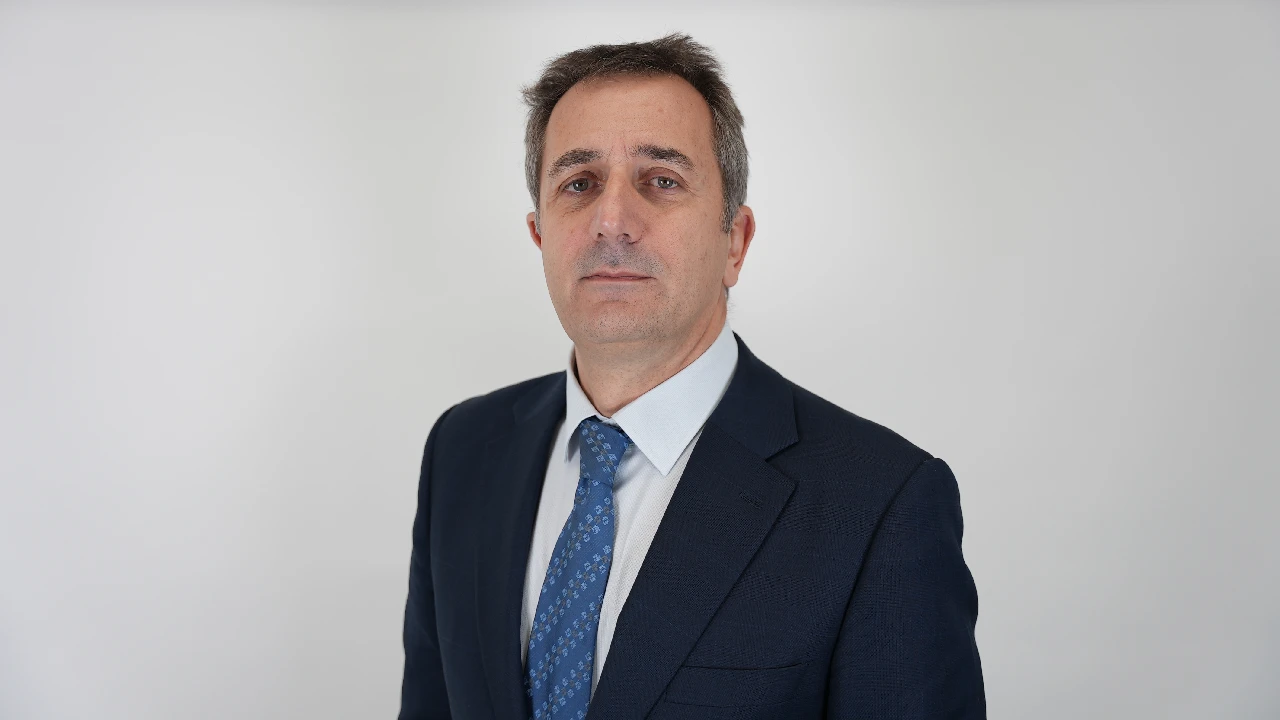
Dr. Juan José Torrent, founder of Quénet Torrent Institute and oncological surgeon, explains in the video what the PIPAC technique involves. PIPAC (Pressurized Intraperitoneal Aerosol Chemotherapy) is a technique used to treat patients with inoperable peritoneal carcinomatosis. This procedure delivers chemotherapy as an aerosol inside the abdominal cavity to reduce the tumour mass and turn unresectable tumours (those that cannot be removed by surgery) into resectable ones.
International specialists in PIPAC for peritoneal carcinomatosis meet in Egypt to exchange experience and progress.

Prognosis in peritoneal carcinomatosis does not depend on a single figure. Tumour type, extent, cytoreductive surgery and the patient's condition determine the course of the disease.
Complete the form and schedule your appointment to speak directly with the surgeon.