Robotic surgery
Robotic platform for minimally invasive surgery of colon, rectum, pancreas, liver and complex pelvic surgery, with greater precision and lower invasiveness than open surgery.

Private hospital with a multidisciplinary team specialised in digestive surgical oncology. Base of the Quenet Torrent Institute team in Madrid.
REQUEST AN APPOINTMENTMemorial Publio Cordón Hospital is a high-complexity private hospital located in Pozuelo de Alarcón (Madrid), next to the Casa de Campo park. It has theatres equipped for robotic and complex cancer surgery, individual suite-style rooms with natural light and a high nurse-to-patient ratio. This is the centre where the Quenet Torrent Institute team carries out its oncology work in Madrid.
The centre is focused on patient safety, strict control of clinical protocols and enhanced recovery (fast-track / ERAS).
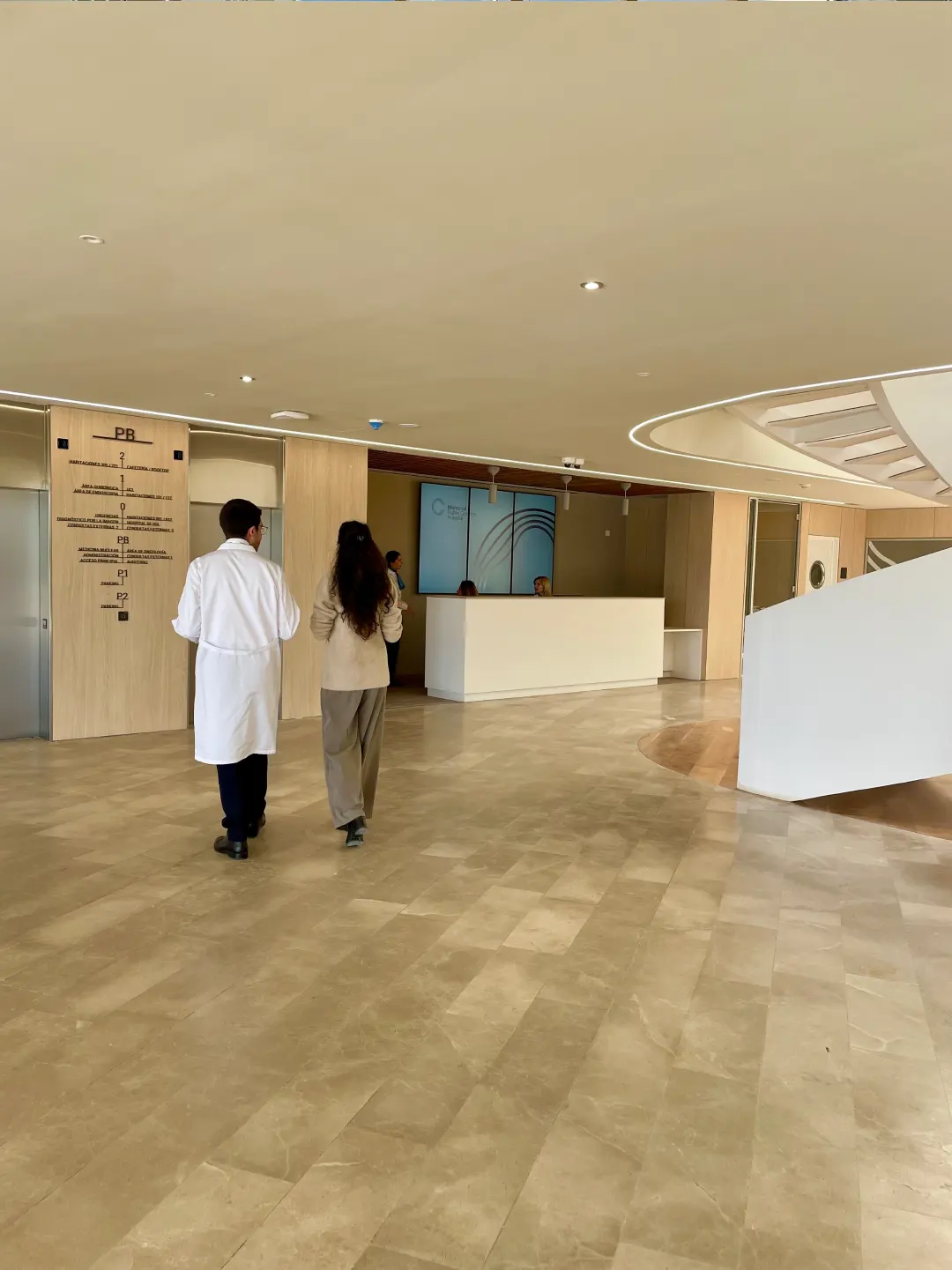
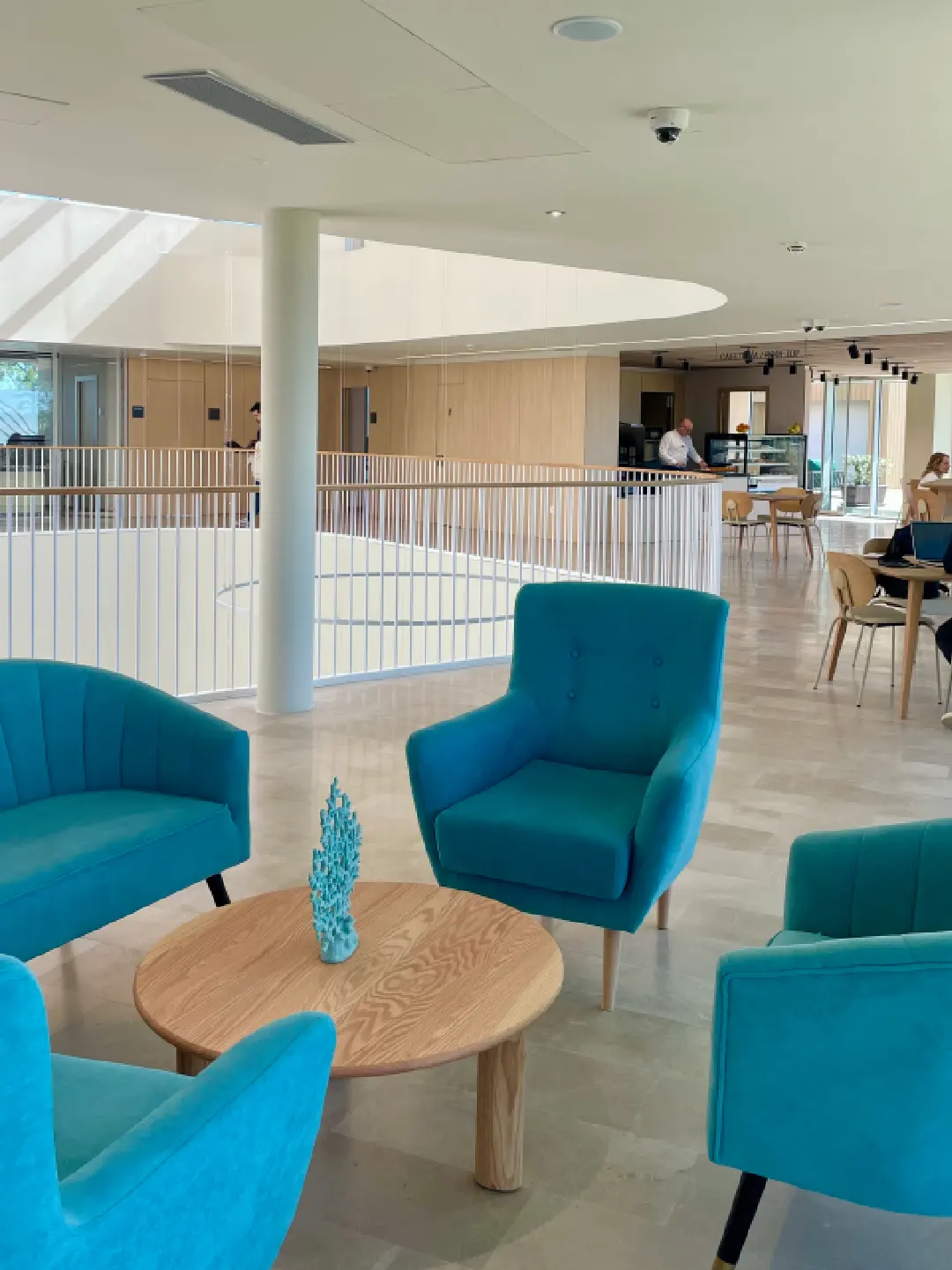
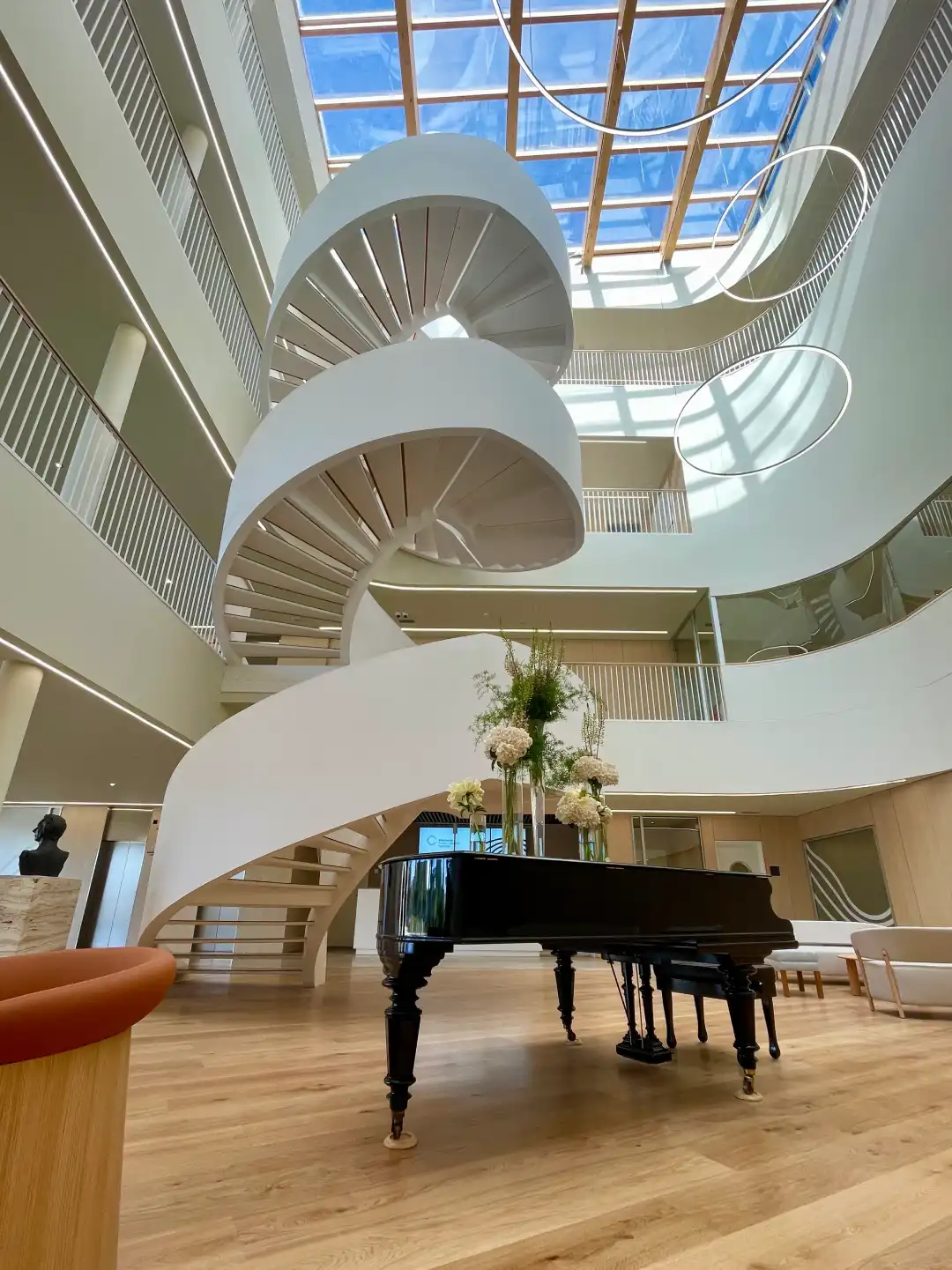
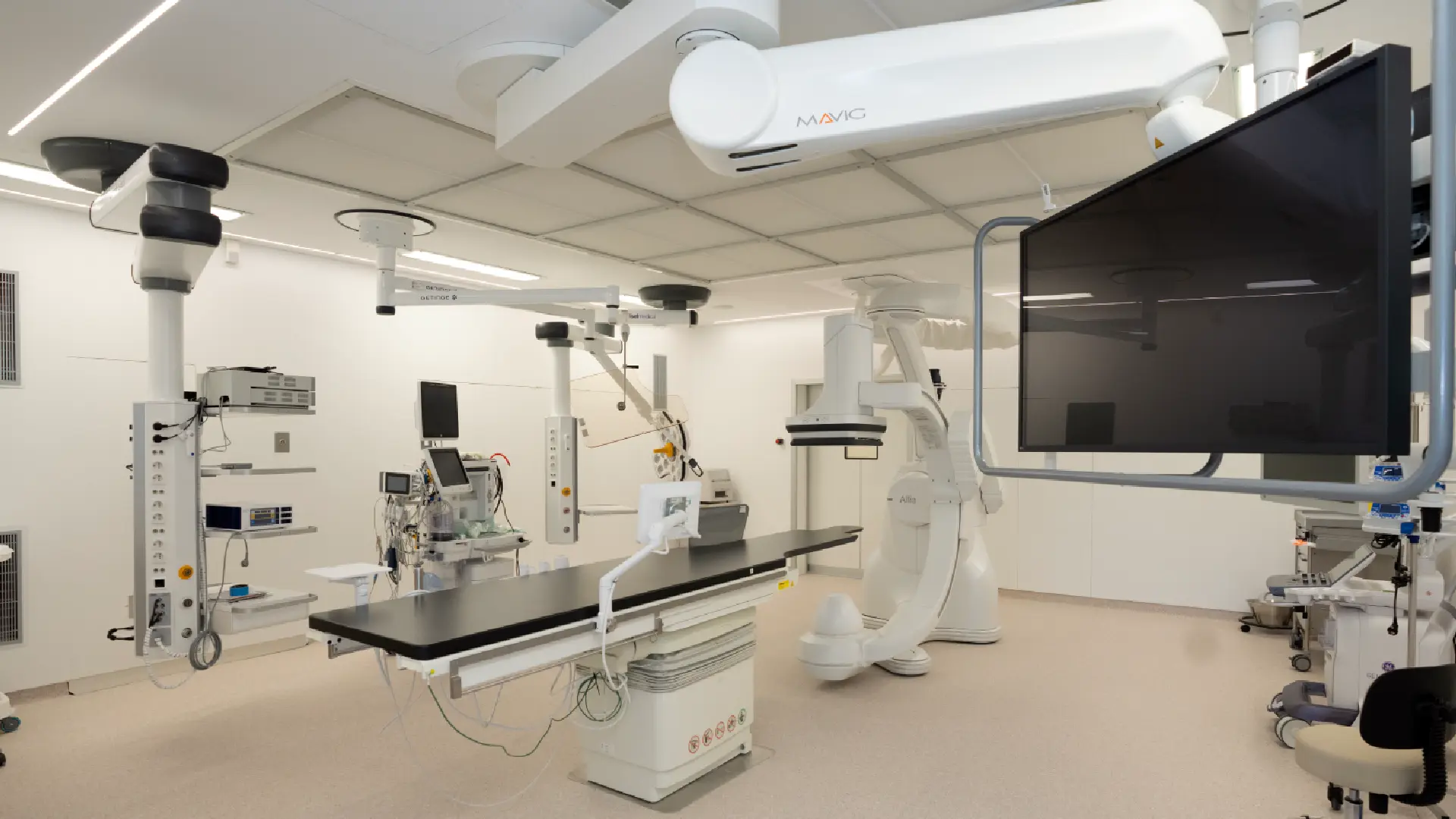
The hospital is equipped for complex cancer surgery, from the operating theatres to the rooms.
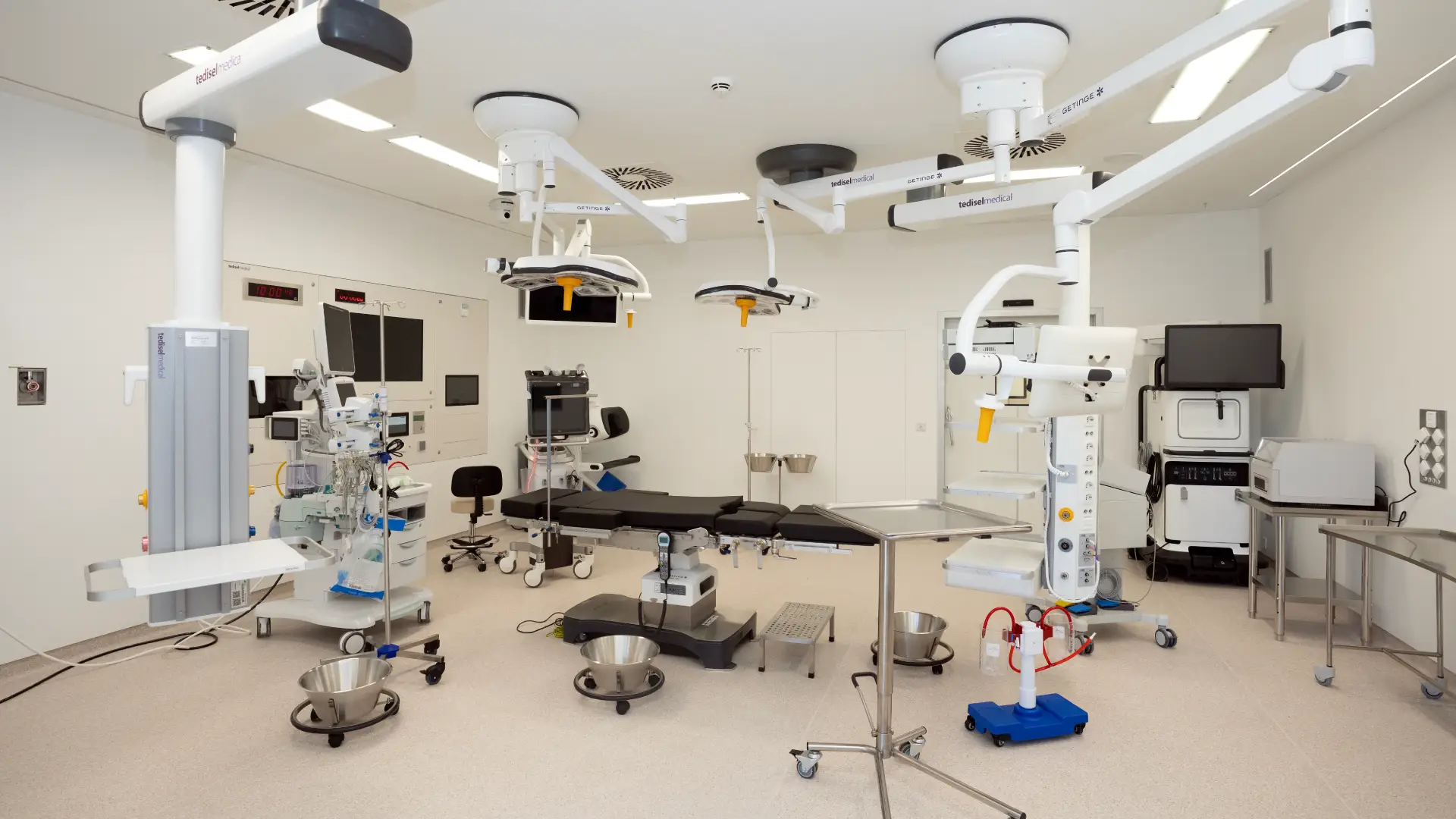
Fully equipped operating theatres for major cancer surgery including robotic surgery, advanced laparoscopy and complex open procedures. Designed for long-duration interventions such as peritoneal cytoreduction with HIPEC or extensive liver resections.
They include intraoperative imaging, advanced haemodynamic monitoring and strict environmental control (laminar airflow, positive pressure, HEPA filtration) to maintain sterility and safety in every procedure.
Immediate post-op takes place in a unit with continuous monitoring (vital signs, urinary output, laboratory values) and 24/7 medical supervision by anaesthesiology and surgery.
Length of stay in this area depends on complexity: a few hours for minimally invasive surgery, up to 24-48 h for major procedures. Once stable, the patient is transferred to the room, where the enhanced recovery plan continues.
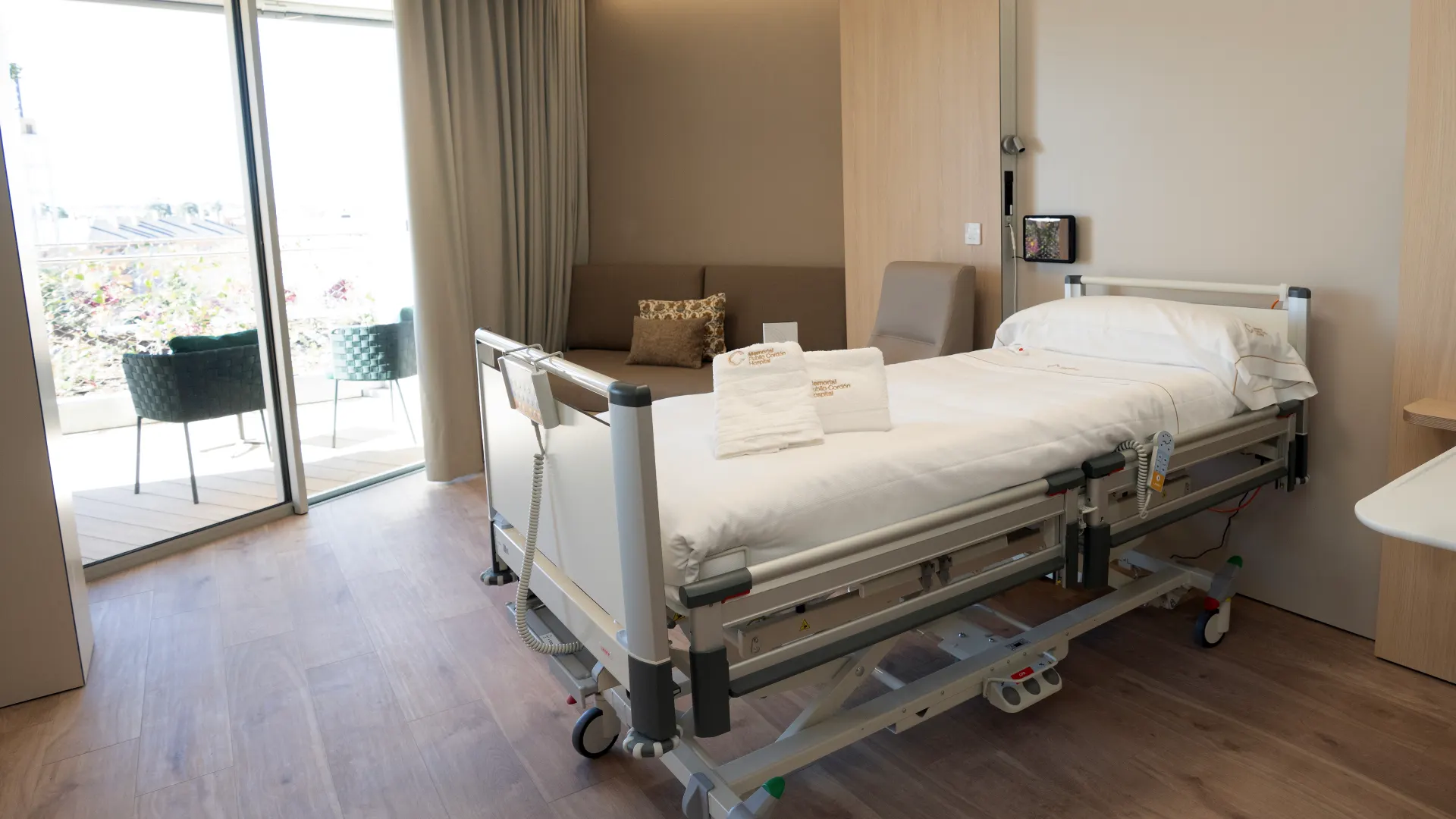
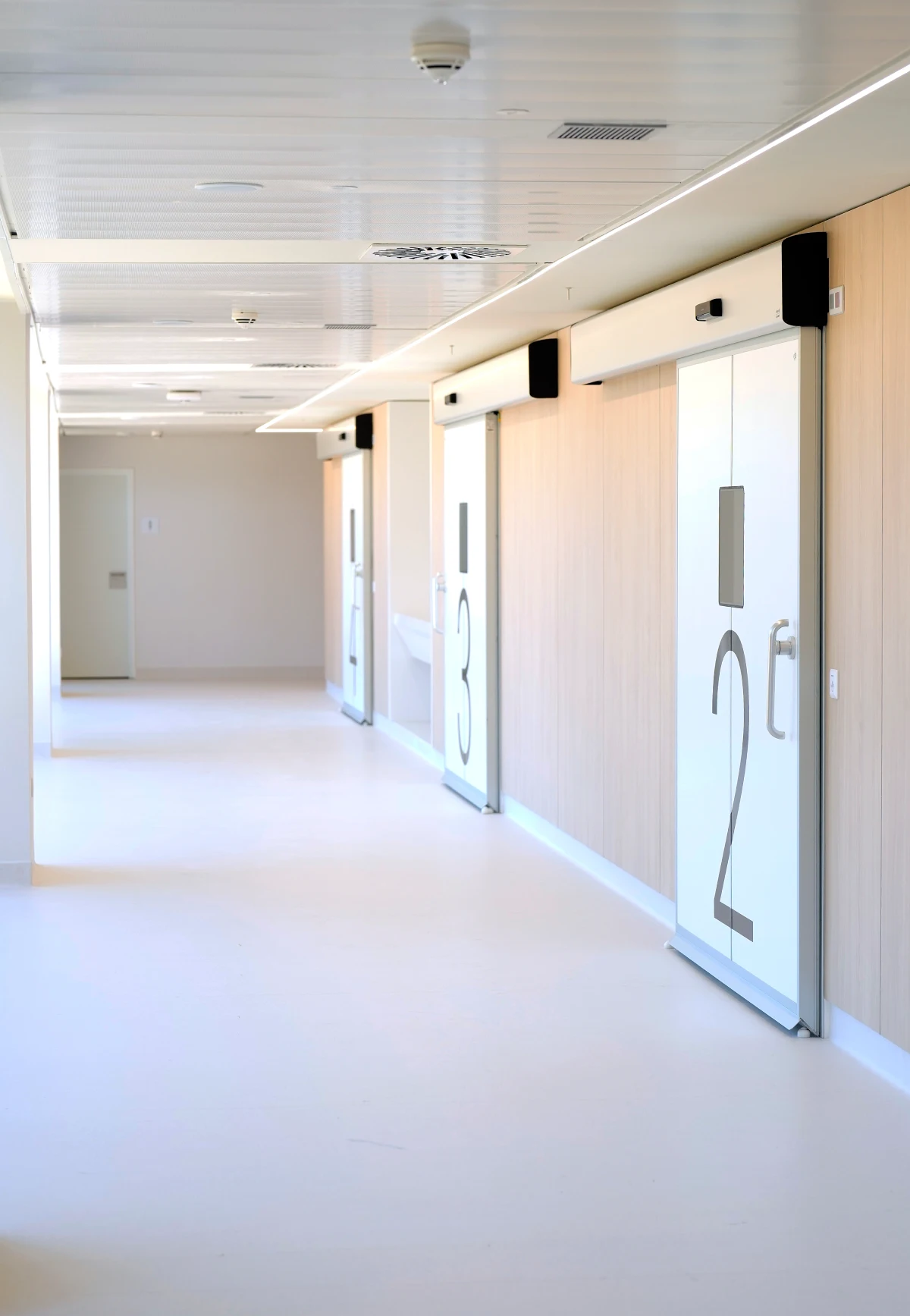
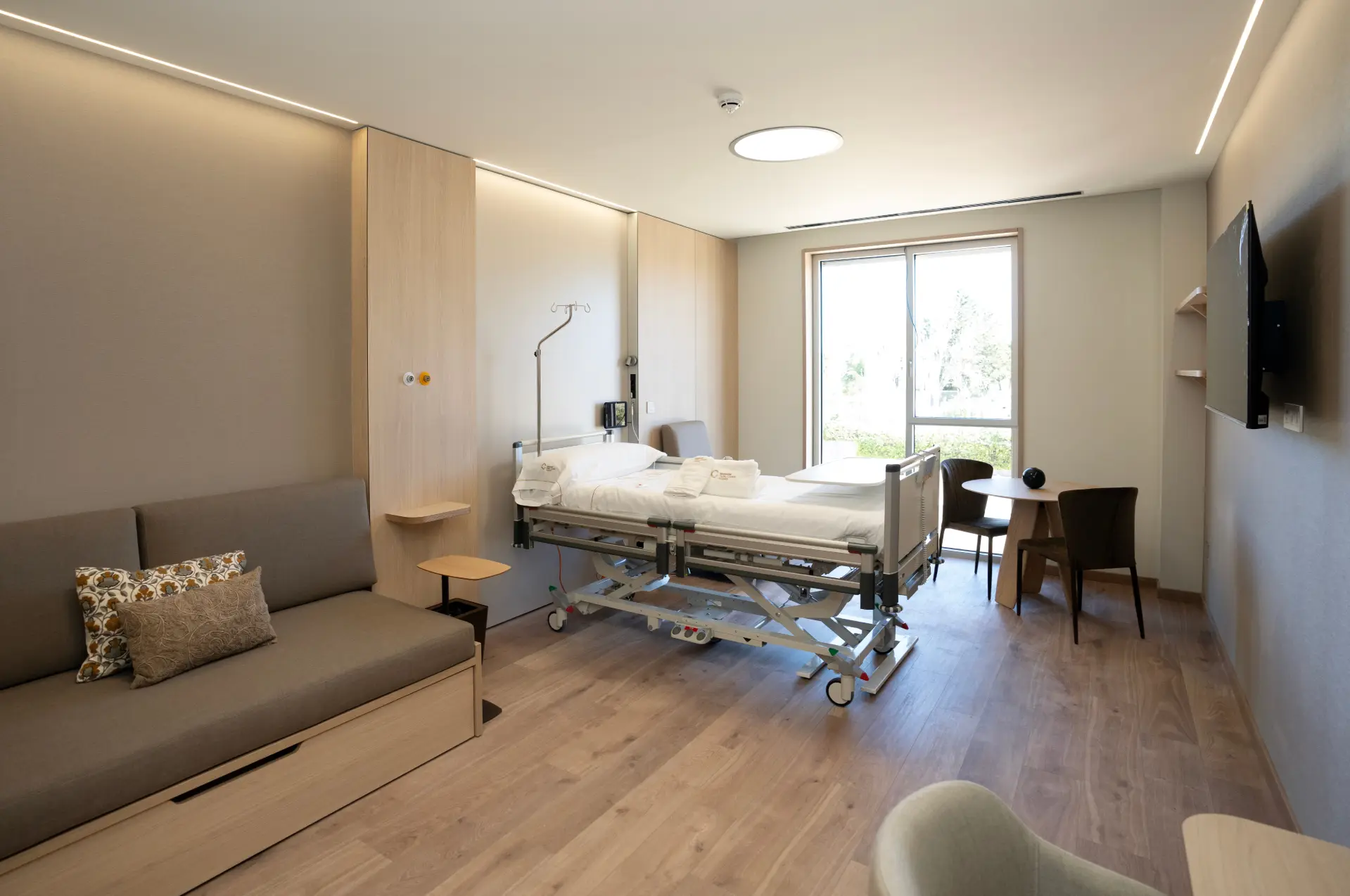
All rooms are individual and designed as hospital suites: comfortable bed, companion rest area, full bathroom, connectivity, adjustable lighting and natural light.
A family member may stay with the patient at all times during admission (including overnight).
This is the hospital equipment we use in cancer surgery procedures.
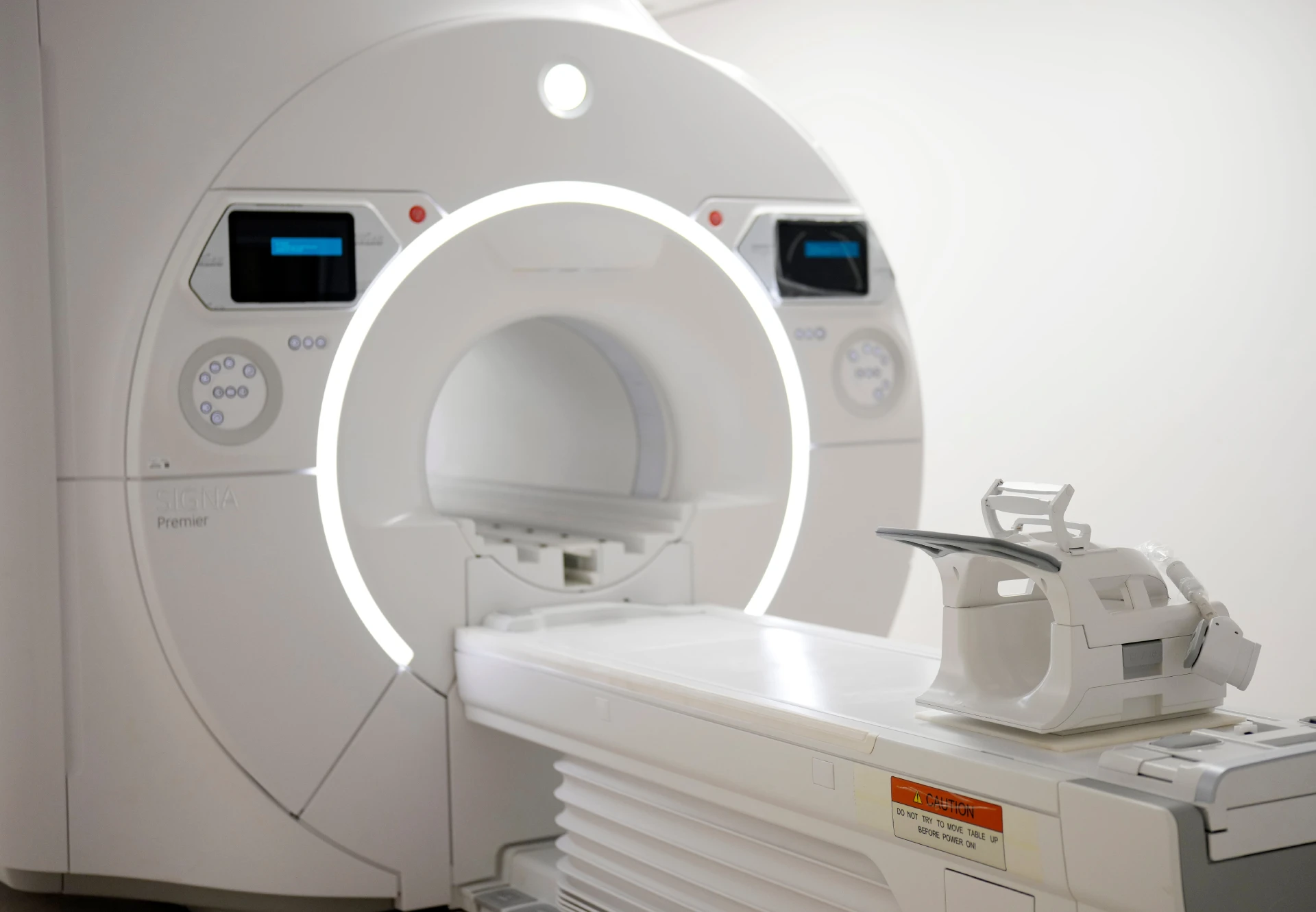
Robotic platform for minimally invasive surgery of colon, rectum, pancreas, liver and complex pelvic surgery, with greater precision and lower invasiveness than open surgery.
Imaging systems integrated in the theatre allowing precise anatomical planning, fluorescence-guided vascular identification and intraoperative tumour control.
Dedicated equipment for hyperthermic intraperitoneal chemotherapy (HIPEC) and pressurised aerosol (PIPAC) with strict control of temperature, pressure and timing.
Continuous haemodynamic and respiratory monitoring during long-duration oncological procedures, supported by specialised anaesthesiology.
Laminar airflow, positive pressure and HEPA filtration to minimise infection risk in complex and prolonged surgery.
Unified electronic medical records and direct communication between theatre, ward and clinic, which makes follow-up easier.
A multidisciplinary international team of cancer surgeons and medical oncologists. The same team that operates in Barcelona treats you in Madrid.
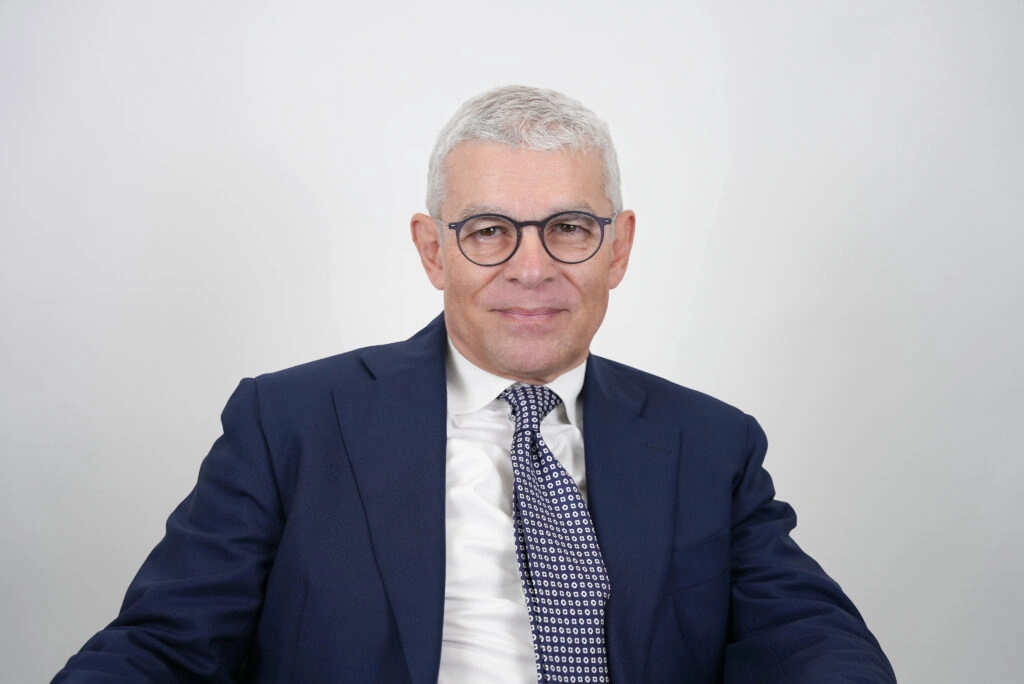
Surgical oncologist
View doctor: Dr. François Quenet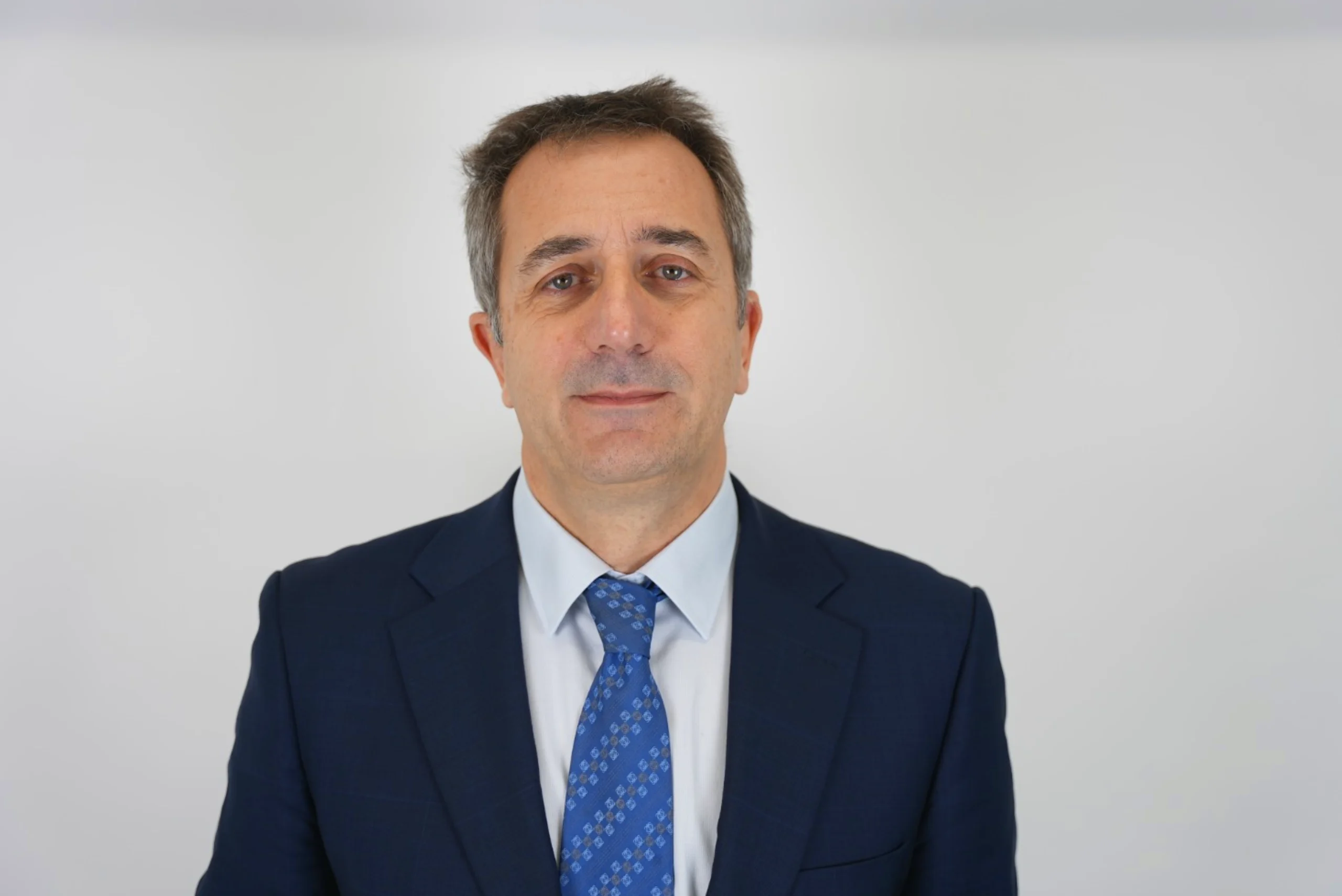
Surgical oncologist
View doctor: Dr. Juan José Torrent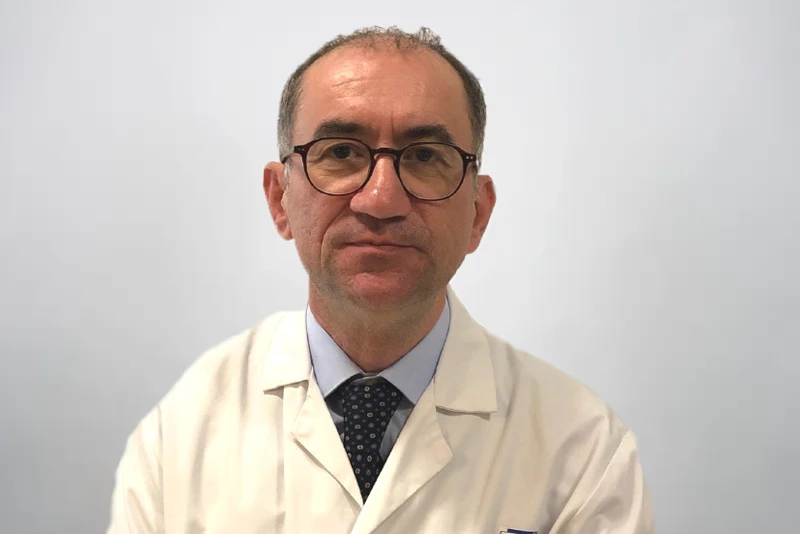
Surgical oncologist
View doctor: Prof. Fabrizio Panaro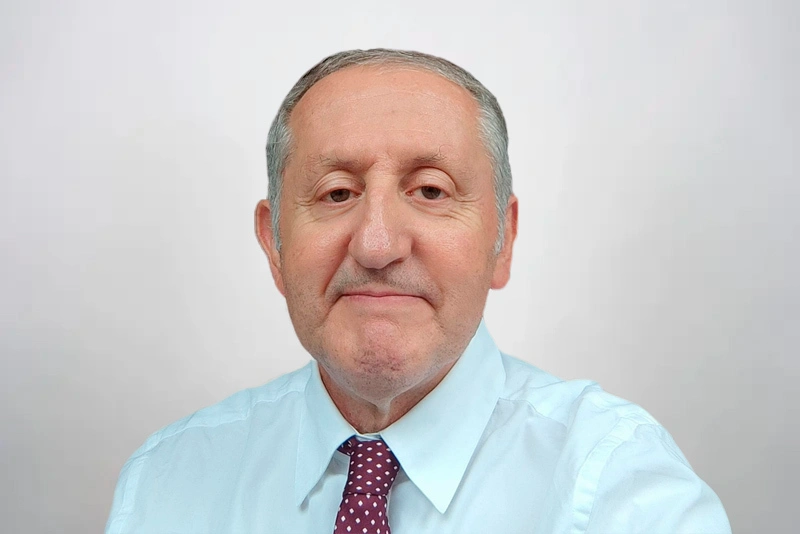
Surgical oncologist
View doctor: Prof. Luis González Bayón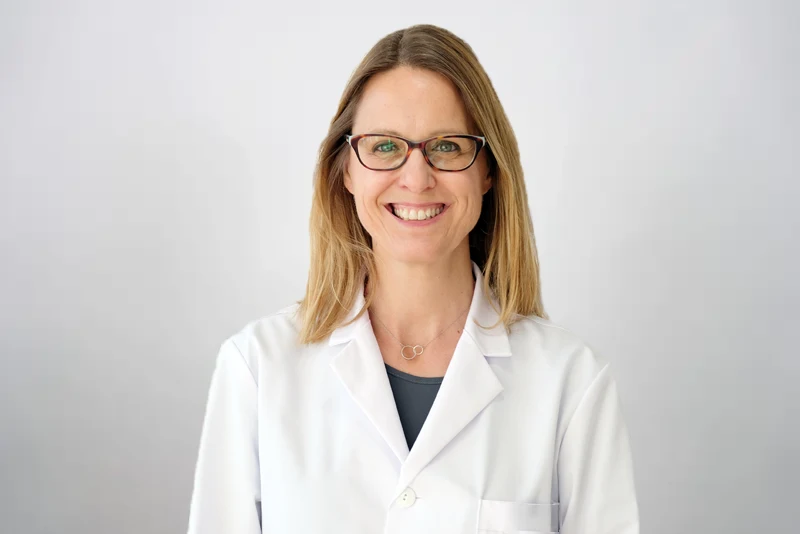
Medical oncologist
View doctor: Dr. Clara Montagut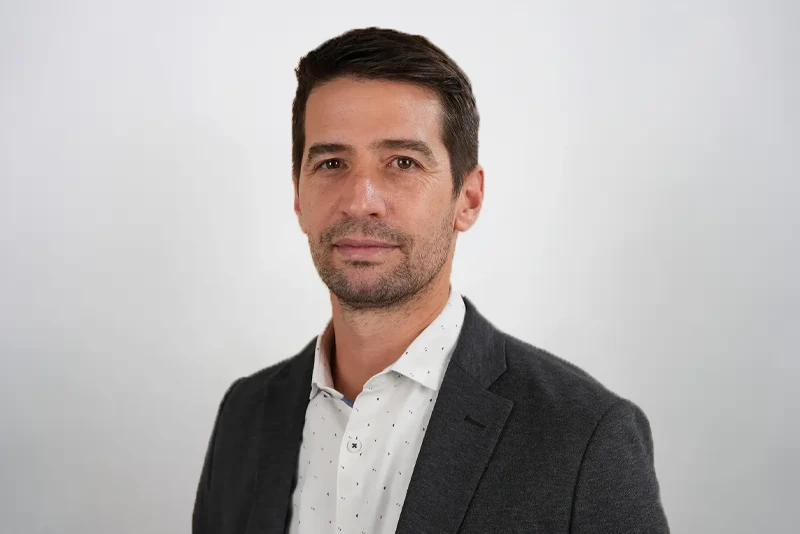
General and digestive surgeon
View doctor: Dr. Carlos Rodríguez-Otero Luppi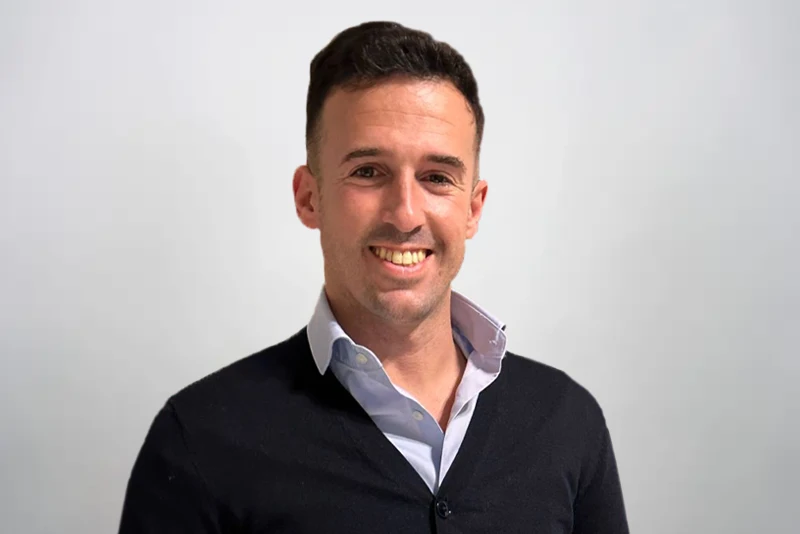
Surgical oncologist
View doctor: Dr. Pablo Lozano Lominchar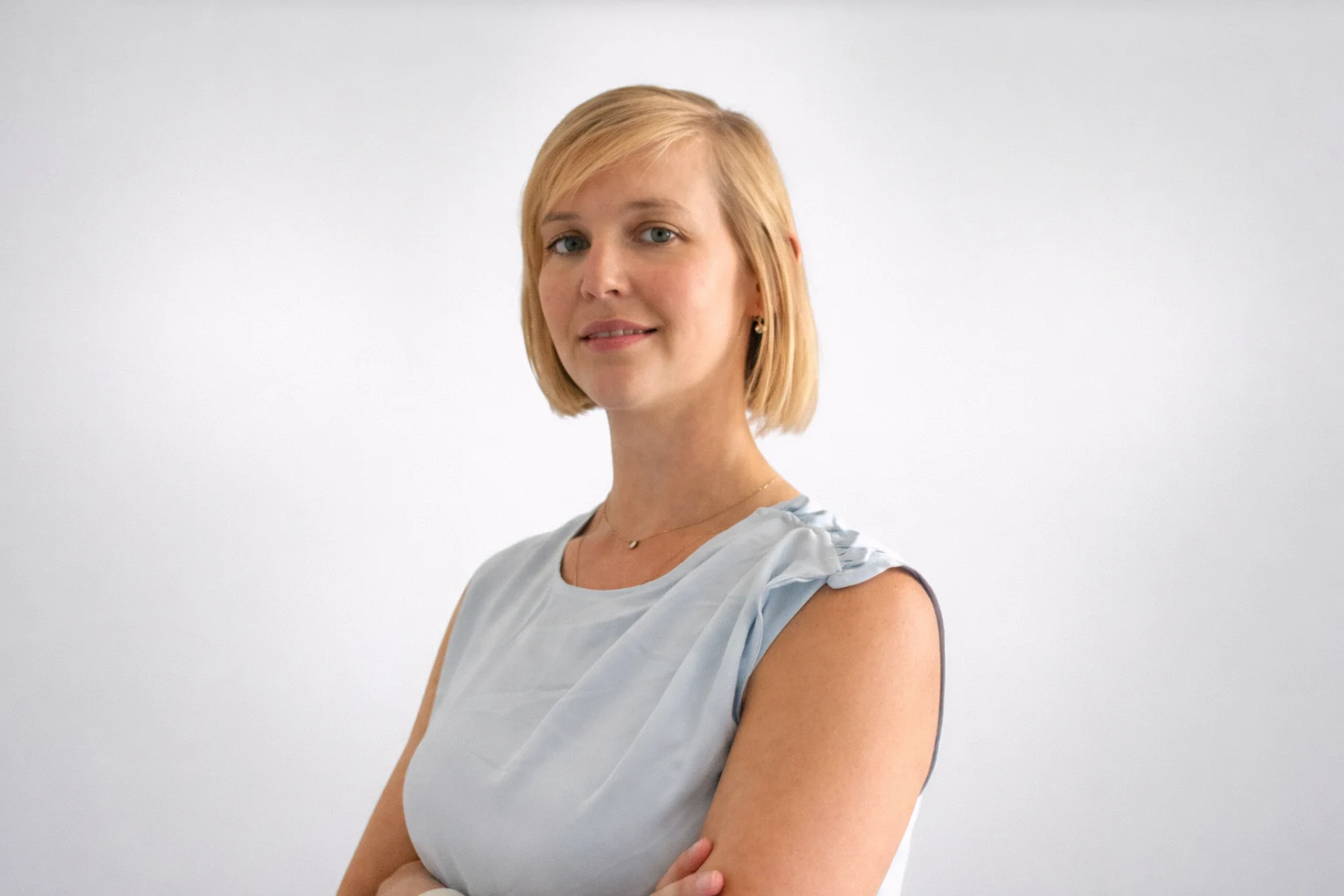
Colorectal and robotic surgery
View doctor: Dr. Patricia TejedorEvery procedure follows a strict clinical protocol, from the first consultation to post-operative follow-up.
Multidisciplinary case review (tumour board), imaging, laboratory work-up, cardiology and anaesthesiology evaluation. We do not operate without a clear indication and a defined surgical plan.
Continuous patient monitoring, strict temperature control, fluid balance and blood loss monitoring. Specific protocols for HIPEC and long-duration surgery.
Daily clinical assessment during admission, pain management, early rehabilitation, serial labs and a scheduled review after discharge. Cancer follow-up coordinated with the medical oncologist.
Instrument sterilisation protocols, environmental control in the theatre (laminar airflow, HEPA), targeted antibiotic prophylaxis and strict cleaning circuits to minimise the risk of nosocomial infection.
From arrival at the hospital to discharge, every step is designed to support the patient and their family with clear information and a human approach.
Personalised reception, with someone accompanying the patient to the room. If the patient is coming from elsewhere, we help coordinate the journey, accommodation for the companion and the pre-operative tests.
High nurse-to-patient ratio, a clinical coordinator assigned to each patient and direct contact with the surgical team. One named person from the team guides you through the whole process.
Clear explanation of the procedure during the preoperative visit, daily updates to family during admission and a complete discharge report. Available to answer questions during the post-operative period.
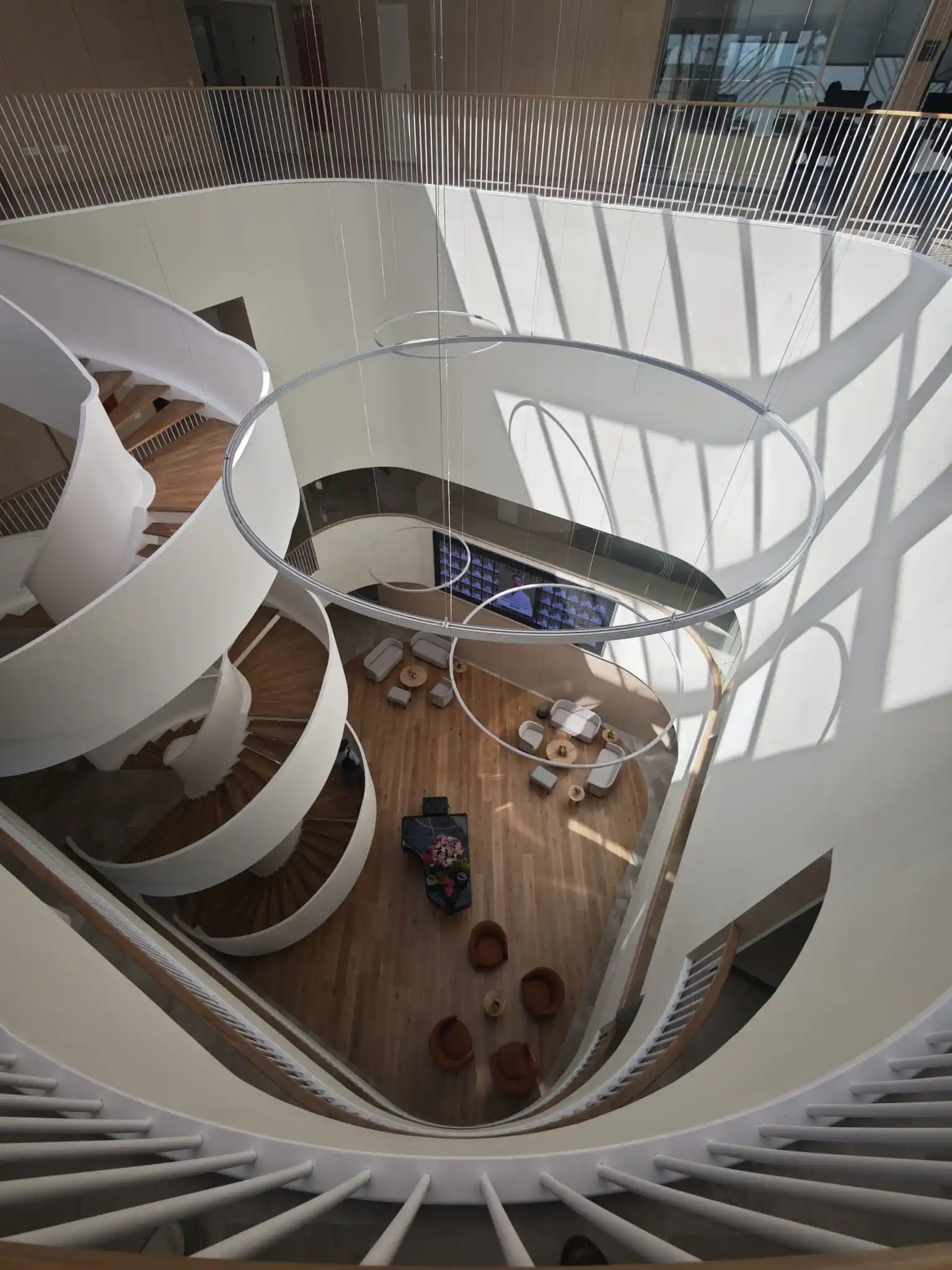
Individual suite-style rooms, common areas with natural light and a hospital design built to reduce the stress of being admitted.
The hospital is located in Pozuelo de Alarcón, next to the Casa de Campo park, a quiet residential area just minutes from central Madrid and the airport.
Adolfo Suárez Madrid-Barajas airport is about 25-30 km from the hospital.
If you are coming from outside Spain, our team coordinates arrival, accommodation for the companion, prior tests and transfers to the hospital throughout the entire care process.
At Memorial Publio Cordón Hospital we perform our full portfolio of complex cancer surgery with the same technical standards as in Barcelona.
What patients, companions and visitors who have been through our facilities say.
An excellent hospital, where professionalism and human treatment make the difference. Impeccable facilities, careful attention and a team that conveys confidence and peace of mind.
Unbeatable experience. From the very first moment, the staff showed close, professional and very human care. The doctors took the time to explain everything clearly.
I come from the United States and I'm very used to its healthcare system, but I have to say Hospital Memorial Publio Cordón surprised me. Care, facilities and treatment at the highest level.
I was operated on by an excellent medical team. I want to express my gratitude for the professionalism, closeness and post-operative follow-up. Everything was impeccable.
My experience has been entirely satisfactory, both for the impeccable care from excellent professionals, fast tests and accurate diagnosis, and for the wonderful facilities. I recommend it without hesitation.
What a wonderful hospital! It doesn't smell of food, it doesn't smell of hospital, and the food is of unprecedented quality. It also has a rooftop that's amazing, I go even when I'm not ill and I recommend visiting.
Real questions we receive from patients looking for surgical cancer treatment in Madrid.
It is a high-complexity private hospital. Its surgical safety protocols include multidisciplinary preoperative assessment, continuous intraoperative monitoring, ERAS enhanced recovery protocols and strict sterilisation and infection-control standards. It also has an intensive care unit, which is essential in long oncological surgery.
General anaesthesia combined with locoregional techniques (epidural, nerve blocks) when needed. The anaesthesiology team specialises in long oncological surgery and works in coordination with the surgical team throughout the procedure to maintain haemodynamic stability and control pain.
It depends on the procedure. After robotic or laparoscopic surgery the stay is usually 3-5 days. After peritoneal cytoreduction with HIPEC or a major liver resection, the typical stay is 7-14 days. Discharge is decided individually according to clinical progress, not by a fixed schedule.
Yes. We recommend a visit beforehand to see the facilities, a standard room and the nursing team. It is coordinated with the preoperative consultation, so the patient and their companions arrive on the day of surgery with all the information and without added anxiety.
At a centre with a multidisciplinary team specialised in complex cancer surgery. In Madrid, the Quenet Torrent Institute team operates at Memorial Publio Cordón Hospital, a high-complexity private hospital with robotic operating theatres and individual rooms.
Memorial Publio Cordón Hospital is a private centre. Procedures are arranged directly with the Quenet Torrent Institute team, which coordinates the assessment, the surgery and the follow-up as a single process. The hospital works with the main private health insurers, under the conditions set by each policy.
Yes, and we recommend it. Many patients come to us with an established diagnosis to look at surgical options that had not been considered, including cases judged inoperable at another centre. You can request a second opinion with no commitment, sending your reports before you travel.
At Paseo de la Casa de Campo 5, 28223 Pozuelo de Alarcón (Madrid), a quiet residential area next to the Casa de Campo. It is 15-25 minutes from central Madrid and 25-30 km from Adolfo Suárez Madrid-Barajas Airport, with direct access via the M-40 and M-503.
By car, taxi or VTC from Madrid-Barajas the journey takes 30-45 min via the M-40 and M-503 (25-30 km). For international patients or those coming from outside Madrid we arrange a private door-to-door transfer to the hospital.
By car, 15-25 min via the A-6 or M-503, taking the Pozuelo-Somosaguas exit. By Cercanías Renfe commuter train, line C-5 to Pozuelo de Alarcón station and then a short taxi ride to the hospital. There are also Moncloa-Pozuelo intercity buses with a stop near the hospital grounds.
Yes, the hospital has its own car park for patients and companions. It makes access by car easy from anywhere in Madrid or from the airport, and it matters during long admissions, when the family comes in every day for several weeks in a row.
Yes, the hospital carries out high-complexity surgical oncology: HIPEC, PIPAC, robotic surgery, liver resections, peritoneal cytoreduction, pelvic exenterations and salvage surgery. The same team as in Barcelona operates here, with the same protocols, and coordinates the assessment, the surgery and the follow-up.
Colorectal, gastric and oesophageal, hepatic and biliopancreatic, and gynaecological tumours, retroperitoneal sarcomas, peritoneal carcinomatosis of any origin and liver metastases. Open, laparoscopic and robotic surgery are used, with combined techniques when the case requires it and a prior decision by the multidisciplinary board.
Yes, both. The hospital has a robotic system for minimally invasive surgery of the colon, rectum, pancreas and liver and for complex pelvic surgery. It also has dedicated equipment for HIPEC and PIPAC, with strict control of temperature, pressure and perfusion times.
Yes. For international patients or patients from other cities we coordinate arrival, accommodation for the companion, prior tests and transfers throughout the whole process. The initial consultation can be held remotely, so there is no need to travel before the board has assessed the case.
Quenet Torrent Institute and Memorial Publio Cordón Hospital in the media.















Complete the form and schedule your appointment to speak directly with the surgeon.
Wonderful surgical team, among the best out there. Dr. Torrent (expert in peritoneal carcinomatosis) is an exceptional surgeon and an even better person. His coordinator is super kind, fast and efficient. The personal care is excellent and so are the results. This is of vital importance for cancer patients.
In the public healthcare system they gave my father a maximum of one year to live. They only offered him chemo and no hope, said it was impossible, that nothing could be done. He had several tumors inside the peritoneal sac with metastases. A year and a half later he is clean, completely cured. His latest PET scan came back clean. We are very happy. Thanks to Dr. Torrent and his team. THANK YOU.
Excellent professionals, especially Dr. Torrent, attentive at all times to the patient (my wife), operated for peritoneal pseudomyxoma. They helped us with all our needs since we came from outside Barcelona. Thank you Elisabeth. We are very grateful to Quenet Torrent Institute, thank you for everything.
I am a 63-year-old patient. They detected adrenal gland cancer and told me there was nothing to be done. I sought a second opinion and they told me about the Quenet Torrent team, specialists in complex operations. Dr. Torrent, from the first moment, told me they could operate. They operated and removed a large tumor mass. I spent a week in the ICU and a month on the ward. Every day he came morning and evening, no matter Saturday or Sunday. Never throw in the towel. I am happy to have found these professionals who gave me my life back. Thank you.
Many thanks for your attention. Dr. Torrent always attentive, involved and decisive. The reception staff very pleasant and always offering the best option. 100% RECOMMENDED. THANK YOU.
Dr. Torrent helped me make the best decision at a difficult moment. I think he is a great professional and a person capable of accompanying you and putting himself in another's shoes. Thank you for everything.
I have peritoneal carcinomatosis. When I sent my diagnosis to every center, practically all of them agreed on palliative chemo with little survival time, since I had a very aggressive type of cell. Until we reached Dr. Quenet, Dr. Torrent and their team. I can only confirm what their CV announces: they are far ahead of the rest. They saved my life, because during the operation the harmful cells that everyone had diagnosed, and that were the reason nobody would operate on me, were not there. This intervention has become the best investment of my life.
The best decision of my life was finding this excellent team of surgeons who saved my husband's life. At a prestigious international clinic in Madrid he was given up for lost with advanced peritoneal carcinomatosis from appendiceal cancer, and thanks to them, the best professionals in this field, he was operated on very successfully. A perfect recovery with no complications, because they were on top of his progress at all times. They have a great quality: from the start they were very honest and close. I can only be deeply grateful; we went to buy time and thanks to them my husband got his life back.
Dr. Torrent is a brilliant surgeon and a very approachable and warm doctor, whose manner reveals all the qualities that make him a great person and professional: perseverance, innate curiosity and a desire to learn, humility, sincerity and empathy. Going through an operation is undoubtedly an intense experience, physically and emotionally, in which anxieties arise and you feel very vulnerable. All of that is normal, and as his former patient I can say that his care and professionalism throughout the process were absolutely exceptional. I felt very supported by him, with the confidence of knowing I was in the best hands. I will always be grateful to him. Moltes gràcies Dr. Torrent!