Epithelioid mesothelioma
The most common (75-80%). Best prognosis, with 5-year survival of 60-75% after cytoreduction + HIPEC. The ideal candidate for aggressive surgical treatment.

Peritoneal mesothelioma is a primary tumor of the peritoneum that responds well to combined treatment with cytoreduction and HIPEC. With this approach, 5-year survival rates reach 50-70% in selected patients. It is an uncommon disease and is best treated by a team with experience in peritoneal surgery.
CONTACT SPECIALISTPeritoneal mesothelioma, a rare primary tumor, is treated with complete cytoreduction and HIPEC with cisplatin, with 5-year survival of 50-70% in epithelioid variants. At Quenet-Torrent Institute (Teknon Barcelona · Memorial Publio Cordón Madrid), the team of Dr. Quenet and Dr. Torrent treats this uncommon disease.
Our specialists explain the approach to peritoneal mesothelioma, a rare disease but one with curative options when treated at specialized centers.
Peritoneal mesothelioma is a primary malignant tumor that arises in the mesothelial cells lining the abdominal cavity. Unlike secondary peritoneal carcinomatosis (metastases from other tumors), mesothelioma originates directly in the peritoneum.
It accounts for approximately 20-30% of all mesotheliomas, pleural (lung) mesothelioma being more common. It has historically been associated with asbestos exposure, although a significant percentage of cases have no known history of exposure.
It is a rare disease (incidence ~1-2 cases per million per year) but with a significantly better prognosis than pleural mesothelioma when treated with cytoreductive surgery and HIPEC at specialized centers.
Peritoneal mesothelioma usually develops insidiously and with fairly non-specific symptoms, which often delays diagnosis by several months. The initial complaints are common to other abdominal conditions, so clinical suspicion and additional tests are needed to direct the investigation towards this uncommon tumor.
The most common symptoms are progressive abdominal swelling and ascites, which may be accompanied by pain or a feeling of pressure in the abdomen. Other patients report a mass that can be felt in the abdomen, unintentional weight loss, early satiety or changes in bowel transit such as constipation or diarrhea. Persistent tiredness is also common in more advanced stages. If these symptoms appear, especially if several occur together or there is a history of asbestos exposure, it is advisable to see a specialist without delay.
Peritoneal mesothelioma arises from malignant transformation of the mesothelial cells that line the abdominal cavity. Although in some cases there is an identifiable trigger, in a significant proportion of patients no known cause is found, which indicates that the origin may be multifactorial and that the absence of risk factors does not rule out the disease.
The most characteristic and best documented risk factor is previous exposure to asbestos, usually work-related in sectors such as construction, shipyards or mining. Since the latency period between exposure and the development of the tumor can be twenty to fifty years, many patients do not remember that exposure or do not connect it with their current diagnosis. Other factors described include previous abdominal radiotherapy and, less often, inherited genetic mutations such as those in the BAP1 gene. In a considerable proportion of patients no specific risk factor is identified.
The histological subtype is the most important prognostic factor after the quality of cytoreduction.
The most common (75-80%). Best prognosis, with 5-year survival of 60-75% after cytoreduction + HIPEC. The ideal candidate for aggressive surgical treatment.
An aggressive variant (10-15%). Poorer response to treatment. Lower survival even with complete surgery. Individual assessment is needed.
Mixed epithelioid and sarcomatoid components (10-15%). Intermediate prognosis, depending on the percentage of each component.
A low-grade, very uncommon variant. Excellent prognosis. Some cases can be managed with close follow-up without radical surgery.
Borderline/low malignant potential. Mainly affects young women. Tends to recur locally but rarely metastasizes.
A very rare variant with cells similar to decidua. Variable behavior, generally treated as epithelioid mesothelioma.
Diagnosis requires histological confirmation with specific immunohistochemistry to distinguish it from carcinomatosis of other origins.
Non-specific symptoms: abdominal swelling, ascites, diffuse pain, weight loss. Often diagnosed during tests for another reason or when investigating ascites of unknown origin.
Peritoneal thickening, omental nodules, ascites. Diffusion MRI helps assess extent. PET-CT is of limited use in mesothelioma.
Laparoscopic biopsy is preferable to needle biopsy to obtain enough tissue. Immunohistochemistry: calretinin, WT1, D2-40 positive; CEA, MOC31, BerEP4 negative.
It must be distinguished from carcinomatosis of ovarian, colorectal or gastric origin, and also from primary peritoneal serous tumors and benign cystic mesothelioma.
The standard treatment for peritoneal mesothelioma is the combination of cytoreductive surgery (CRS) and HIPEC with cisplatin. With this approach, a disease that used to be considered incurable has options for cure in selected patients.
Removal of all visible tumor with peritonectomies, omentectomy and visceral resections when necessary. The goal is complete cytoreduction (CC-0/CC-1).
Hyperthermic intraperitoneal chemotherapy (41-43°C) for 60-90 minutes. Cisplatin is the drug of choice, with or without doxorubicin. High tissue penetration and minimal systemic toxicity.
Pemetrexed + cisplatin is the standard regimen for unresectable disease or as neoadjuvant/adjuvant treatment. Response rates of 20-40%.
With CRS + HIPEC, median survival of 50-90 months has been reported, compared with 12 months with chemotherapy alone.
Peritoneal mesothelioma is one of the indications that responds best to the CRS + HIPEC combination.
Median survival: 50-90 months with CRS + HIPEC. 5-year survival: 50-70% in epithelioid mesothelioma with complete cytoreduction.
Study by Yan et al. (401 patients): median survival 53 months, 5-year survival 47%. The best results at high-volume centers.
Epithelioid subtype, complete cytoreduction (CC-0/1), low mitotic index, no positive lymph nodes, female sex.
Recurrence rate ~50%. Many patients are candidates for salvage surgery with repeat HIPEC, with further long survival.
Peritoneal mesothelioma is a rare disease that requires specific experience.
Many oncologists and surgeons see few cases in their careers. The experience of the surgical team influences the results.
Distinguishing it from secondary carcinomatosis requires expert pathologists. A wrong diagnosis can lead to unsuitable treatment.
CRS + HIPEC is a high-complexity procedure. Not all centers have the necessary equipment, training and volume.
Unlike pleural mesothelioma, peritoneal mesothelioma has curative options. They should be assessed before ruling out surgery.
At Quenet-Torrent Institute we treat primary peritoneal tumors, including mesothelioma.
Accumulated experience in cytoreduction and HIPEC for peritoneal mesothelioma.
Surgeons, oncologists and pathologists with specific experience in primary peritoneal tumors and differential diagnosis.
Complete peritonectomies with preservation of function, in all regions of the abdomen.
HIPEC protocol with cisplatin according to current evidence. Perfusion equipment with precise temperature control.
Experience in salvage surgery and repeat HIPEC. Individual assessment of each recurrence.
Although exposure to asbestos is the best known risk factor, a significant percentage of peritoneal mesotheliomas appear with no documented history of exposure.
Factors associated with peritoneal mesothelioma:
Whatever the cause, treatment and prognosis are similar. The priority is a correct diagnosis and early referral to a specialized center.
A team with specific experience in the diagnosis and treatment of primary peritoneal tumors.

Oncological surgeon
View doctor: Dr. François Quenet"Peritoneal mesothelioma, when treated correctly, has one of the best prognoses among peritoneal tumors. The key is the experience of the team."
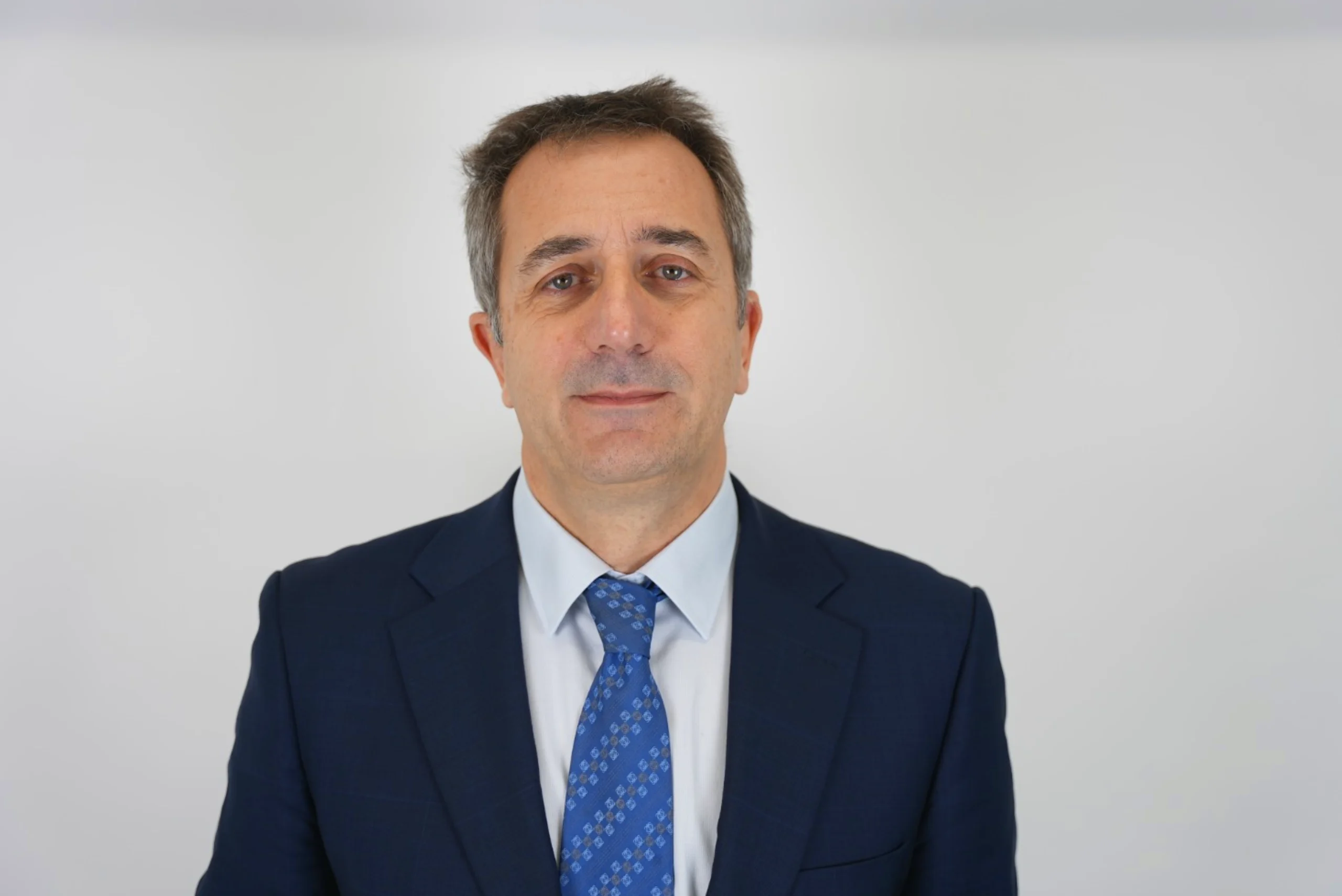
Oncological surgeon
View doctor: Dr. Juan José Torrent"In mesothelioma, complete cytoreduction combined with HIPEC can be curative. It is essential to refer these patients to experienced centers."
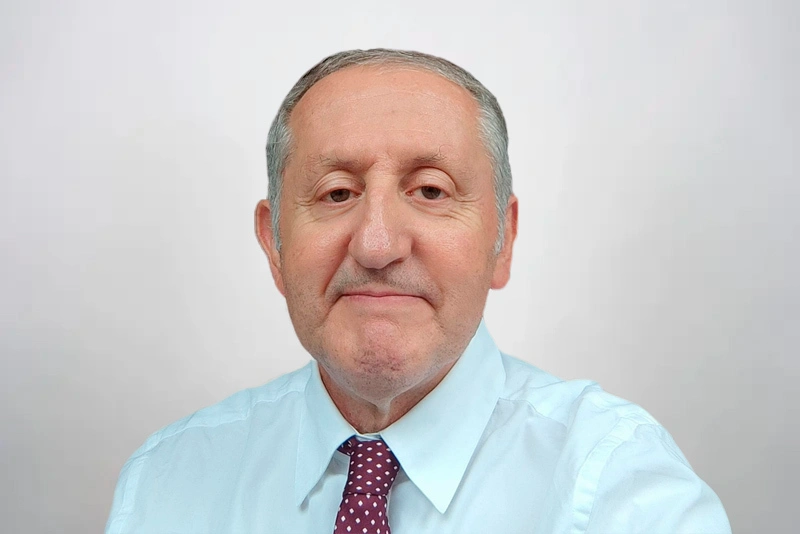
Oncological surgeon
View doctor: Prof. Luis González Bayón"The histological subtype determines the prognosis. Epithelioid mesothelioma has excellent results with aggressive treatment."
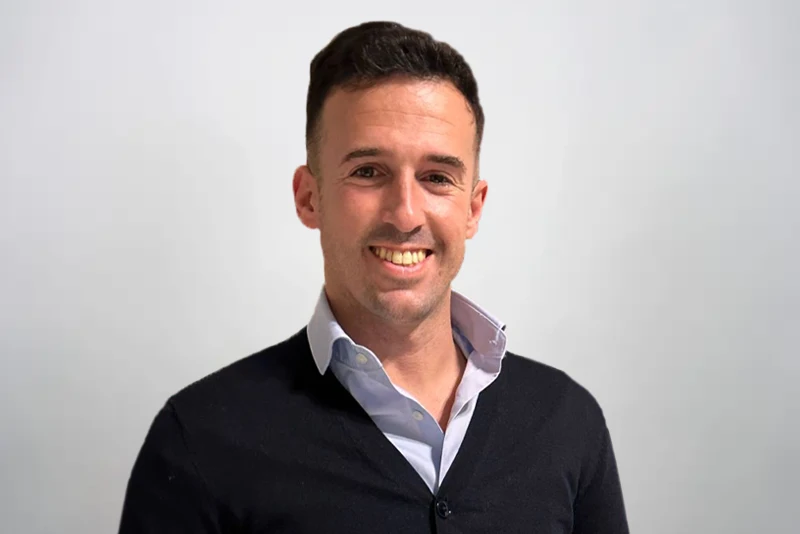
Oncological surgeon
View doctor: Dr. Pablo Lozano Lominchar"Extensive peritonectomies require meticulous technique. Every millimeter of cytoreduction counts for the prognosis."

Medical oncologist
View doctor"Systemic chemotherapy with pemetrexed-cisplatin has a role in unresectable cases or as selected perioperative treatment."
Answers to the most common questions about this uncommon disease.
No. Both arise from mesothelial cells, but in different locations. Peritoneal mesothelioma appears in the membrane lining the abdomen; pleural mesothelioma, in the one lining the lung. Peritoneal mesothelioma has a better prognosis, because it can be treated with cytoreductive surgery and HIPEC, an option that rarely exists for the pleural form.
No. Asbestos is a known risk factor, but 30 to 50% of cases have no documented exposure. Other factors have been described, such as previous radiation or genetic predisposition associated with BAP1 mutations, and in many patients the cause remains unknown.
With cytoreduction and HIPEC, in the epithelioid subtype, median survival ranges from 50 to 90 months. 5-year survival is between 50 and 70%, compared with a median of about 12 months without specific surgery. The difference is made by the histological subtype and achieving complete cytoreduction.
With immunohistochemistry on the biopsy. Mesothelioma is positive for calretinin, WT1 and D2-40, and negative for epithelial markers such as CEA or BerEP4. That pattern distinguishes it from carcinomatosis of digestive or ovarian origin. A sufficient biopsy and an experienced pathologist are needed: diagnostic errors are common in this disease.
It is the removal of all visible disease from the abdomen. It is classified as CC-0 when no residue remains and CC-1 when nodules smaller than 2.5 mm remain, the thickness that intraperitoneal chemotherapy can still reach. It is the most important prognostic factor: survival doubles compared with incomplete cytoreduction.
A perfusion of cisplatin heated to 41-43°C inside the abdomen, for 60 to 90 minutes. It is given right after cytoreduction, in the same operation. The heat enhances the effect of the drug and improves its penetration into the tissue, so that it acts on the microscopic cells that surgery cannot see.
Yes, in many cases. When the recurrence is resectable, cytoreduction can be repeated, and HIPEC can even be given again, which is known as repeat HIPEC. Some patients benefit from several operations over the years. The condition remains the same: being able to remove all visible disease.
Between 6 and 12 hours, including cytoreduction and the HIPEC phase. The duration depends on the extent of the disease and how many peritonectomies and resections are needed. It is by definition a long operation: the whole surface of the abdomen is examined and treated in a single procedure.
Those of major abdominal surgery: bleeding, infection, leakage at the bowel join when bowel has been resected, and respiratory or thromboembolic complications. At specialized centers, mortality stays below 5% and serious complications below 25%. The team's case volume directly influences these figures.
Because of specific experience in a rare disease. Peritoneal mesothelioma is often misdiagnosed and few centers treat it with cytoreduction and HIPEC. Here it is assessed by a multidisciplinary team of surgeons, oncologists and pathologists who know these tumors, and the same team treats recurrences with salvage surgery. In this disease, the team's case volume carries a lot of weight.
We operate in two private hospitals in Spain. The same medical team treats you in Madrid and in Barcelona, with the same surgical and oncological protocols.
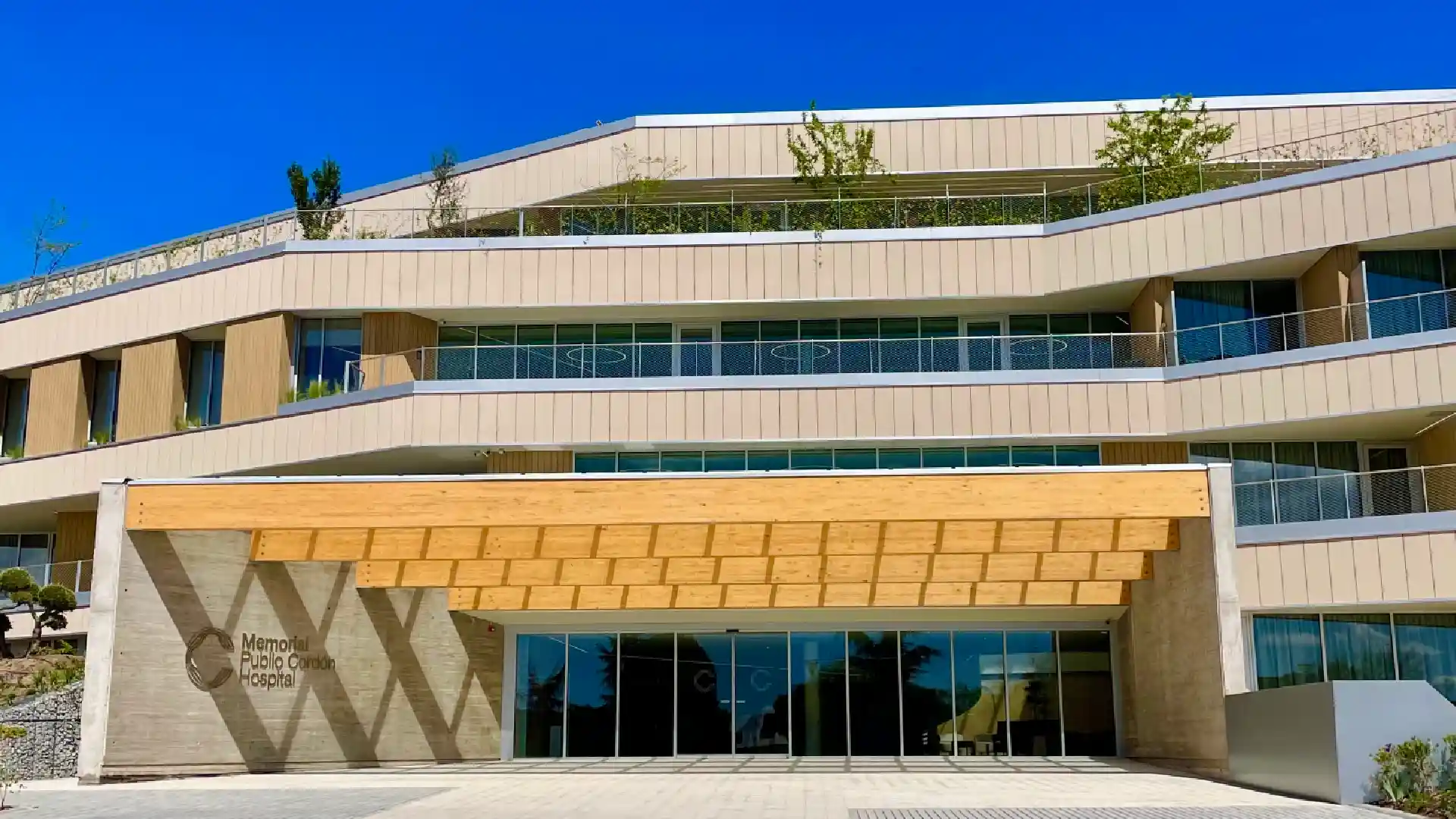
Private hospital in Pozuelo de Alarcón with a multidisciplinary team specialised in digestive surgical oncology.
View Memorial Publio Cordón Hospital
Private hospital in Barcelona where the team performs high-complexity surgical oncology.
View Centro Médico TeknonReal testimonies from patients treated by our team in high-complexity surgical oncology.
66-year-old English woman with advanced ovarian cancer and peritoneal metastases. Treated with cytoreduction + HIPEC, she is now disease-free.
Read the full case73-year-old patient with advanced cancer treated with chemotherapy and high-complexity surgical oncology, with good survival and quality of life.
Read the full caseA mistaken diagnosis of terminal colon cancer that a second opinion revealed to be pseudomyxoma peritonei, treatable with cytoreductive surgery and HIPEC.
Read the full caseDiagnosed with widespread peritoneal carcinomatosis and considered inoperable. After complete cytoreduction with HIPEC, today his is a story of survival.
Read the full caseWonderful surgical team, among the best out there. Dr. Torrent (expert in peritoneal carcinomatosis) is an exceptional surgeon and an even better person. His coordinator is super kind, fast and efficient. The personal care is excellent and so are the results. This is of vital importance for cancer patients.
In the public healthcare system they gave my father a maximum of one year to live. They only offered him chemo and no hope, said it was impossible, that nothing could be done. He had several tumors inside the peritoneal sac with metastases. A year and a half later he is clean, completely cured. His latest PET scan came back clean. We are very happy. Thanks to Dr. Torrent and his team. THANK YOU.
Excellent professionals, especially Dr. Torrent, attentive at all times to the patient (my wife), operated for peritoneal pseudomyxoma. They helped us with all our needs since we came from outside Barcelona. Thank you Elisabeth. We are very grateful to Quenet Torrent Institute, thank you for everything.
I am a 63-year-old patient. They detected adrenal gland cancer and told me there was nothing to be done. I sought a second opinion and they told me about the Quenet Torrent team, specialists in complex operations. Dr. Torrent, from the first moment, told me they could operate. They operated and removed a large tumor mass. I spent a week in the ICU and a month on the ward. Every day he came morning and evening, no matter Saturday or Sunday. Never throw in the towel. I am happy to have found these professionals who gave me my life back. Thank you.
Many thanks for your attention. Dr. Torrent always attentive, involved and decisive. The reception staff very pleasant and always offering the best option. 100% RECOMMENDED. THANK YOU.
Dr. Torrent helped me make the best decision at a difficult moment. I think he is a great professional and a person capable of accompanying you and putting himself in another's shoes. Thank you for everything.
I have peritoneal carcinomatosis. When I sent my diagnosis to every center, practically all of them agreed on palliative chemo with little survival time, since I had a very aggressive type of cell. Until we reached Dr. Quenet, Dr. Torrent and their team. I can only confirm what their CV announces: they are far ahead of the rest. They saved my life, because during the operation the harmful cells that everyone had diagnosed, and that were the reason nobody would operate on me, were not there. This intervention has become the best investment of my life.
The best decision of my life was finding this excellent team of surgeons who saved my husband's life. At a prestigious international clinic in Madrid he was given up for lost with advanced peritoneal carcinomatosis from appendiceal cancer, and thanks to them, the best professionals in this field, he was operated on very successfully. A perfect recovery with no complications, because they were on top of his progress at all times. They have a great quality: from the start they were very honest and close. I can only be deeply grateful; we went to buy time and thanks to them my husband got his life back.
Dr. Torrent is a brilliant surgeon and a very approachable and warm doctor, whose manner reveals all the qualities that make him a great person and professional: perseverance, innate curiosity and a desire to learn, humility, sincerity and empathy. Going through an operation is undoubtedly an intense experience, physically and emotionally, in which anxieties arise and you feel very vulnerable. All of that is normal, and as his former patient I can say that his care and professionalism throughout the process were absolutely exceptional. I felt very supported by him, with the confidence of knowing I was in the best hands. I will always be grateful to him. Moltes gràcies Dr. Torrent!

Prognosis in peritoneal carcinomatosis does not depend on a single figure. Tumour type, extent, cytoreductive surgery and the patient's condition determine the course of the disease.
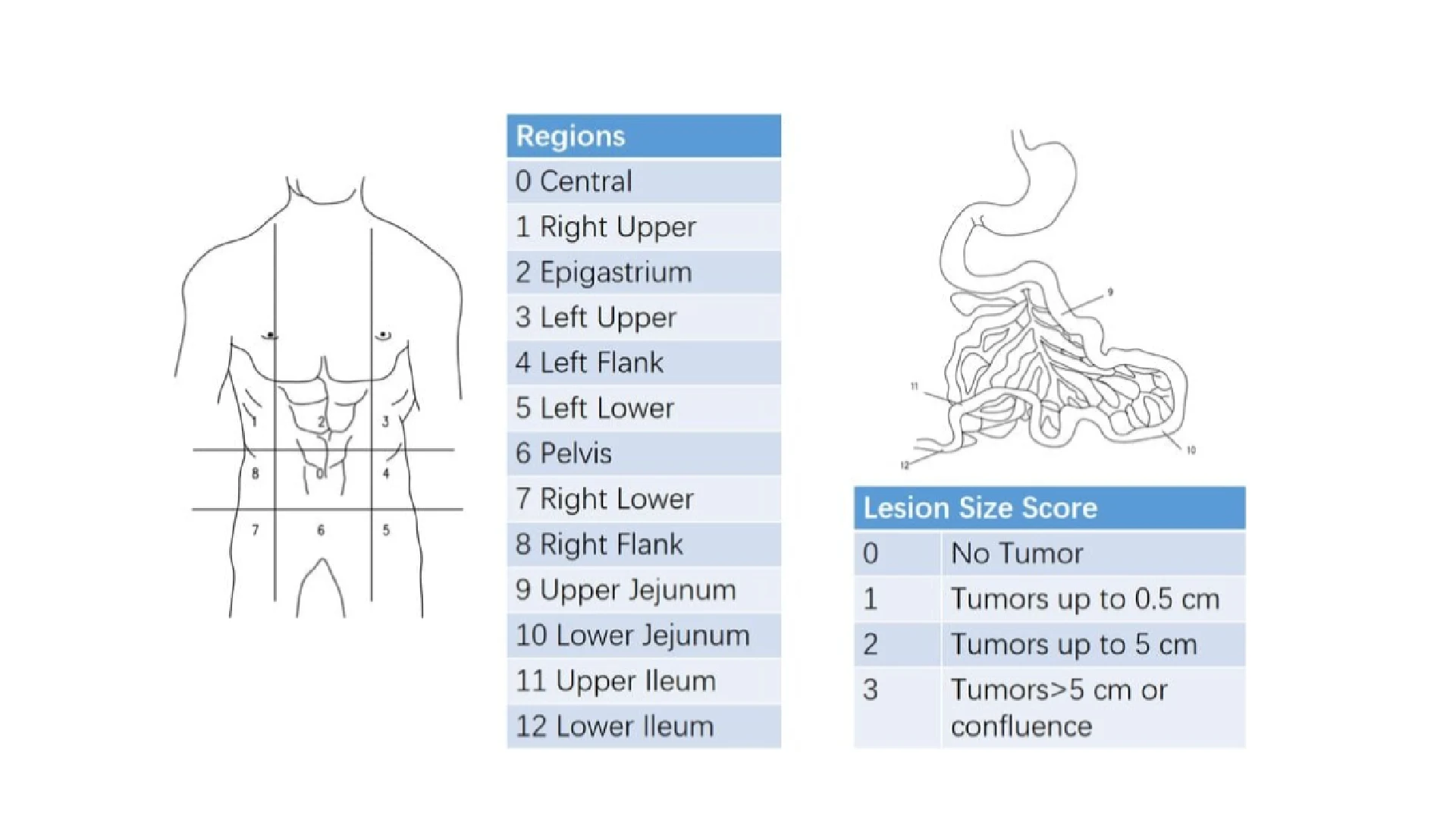
Clinical guide to the Peritoneal Cancer Index (PCI): what it measures, how it is calculated, how it is applied in treatment decisions and its relationship with cytoreductive surgery.
Cytoreductive surgery is used in the treatment of advanced cancers with abdominal involvement. We explain what it is, when it is indicated, how it is performed and what results it offers.
Complete the form and schedule your appointment to speak directly with the surgeon.