Less blood loss
Precise robotic dissection reduces intraoperative bleeding and the need for transfusions.

Quenet-Torrent Institute has a surgical unit specialized in colorectal tumors, both at early stages and when they are locally advanced or metastatic. The team works with minimally invasive surgery, salvage surgery and a multidisciplinary board that decides each patient's strategy, with curative intent.
CONTACT SPECIALISTQuenet-Torrent Institute offers two treatment strategies: the Watch & Wait protocol (active surveillance without surgery) for patients with a complete clinical response after neoadjuvant treatment, and Da Vinci robotic surgery for cases that require surgical resection. Both are developed in collaboration with Prof. Julio García Aguilar, Chief of the Colorectal Service at Memorial Sloan Kettering Cancer Center (New York) and principal investigator of the OPRA trial, and implemented at the institute by Dr. Patricia Tejedor, a colorectal surgeon with a double fellowship in robotic surgery.
Colorectal tumors are malignant tumors that arise in the colon or rectum. Although in practice they are grouped under the same term, colon cancer and rectal cancer have anatomical differences and different staging and treatment strategies. The most common histological type is adenocarcinoma, which accounts for more than 90% of cases.
In rectal cancer, the location in the narrow pelvis, the proximity to the sphincter and the possibility of radiotherapy before surgery open up a treatment option of its own: some patients who achieve a complete clinical response after total neoadjuvant therapy (TNT) can avoid surgery with the Watch & Wait protocol, keeping the rectum and bowel function. This strategy, validated by the OPRA trial and by more than two decades of experience of Prof. García Aguilar, is today an established clinical option for correctly selected patients.
In colorectal oncology, the initial treatment decision has a strong influence on the long-term result. Well-planned surgery, correct preoperative staging and the choice between immediate surgery and neoadjuvant treatment can make the difference between preserving the rectum or needing a permanent stoma, and between a local recurrence and a lasting cure.
At Quenet-Torrent Institute, each case is assessed by a multidisciplinary board with a medical oncologist, radiation oncologist, radiologist with expertise in rectal MRI and colorectal surgeon before a strategy is proposed. That way the strategy is decided with all the information from the start, without rushing.
Knowing the risk factors makes it possible to design personalized screening programs and diagnose the disease at treatable stages:
If any of the following symptoms is present, especially if it lasts more than two or three weeks, it is advisable to see a specialist:
Precise staging of the tumor is decisive for choosing the right strategy. At Quenet-Torrent Institute, staging pays particular attention to assessment of the mesorectal fascia, the distance to the circumferential resection margin and the tumor response after neoadjuvant treatment. The usual tests include:
Colorectal cancer is one of the tumors in which early detection greatly changes the prognosis, because most arise from polyps that take years to become malignant and can be removed before they do. In Spain there is a population screening program for people aged 50 to 69 without symptoms, based on the fecal occult blood test (immunochemical) every two years. When the result is positive it is followed by a colonoscopy, which allows polyps to be located and removed in the same procedure, before they progress to cancer.
People at higher risk (a family history of colorectal cancer or polyps, hereditary syndromes such as Lynch syndrome or familial adenomatous polyposis, or inflammatory bowel disease) should start screening earlier and, in general, with a direct colonoscopy as indicated by their doctor. Beyond screening, reducing the risk means a diet rich in fiber, fruit and vegetables and low in red and processed meat, keeping a healthy weight, exercising regularly and avoiding tobacco and excessive alcohol.
The Watch & Wait strategy (also called non-operative management, or NOM) replaces surgical resection with an intensive follow-up protocol in patients with rectal cancer who achieve a complete clinical response after total neoadjuvant therapy. Instead of removing the rectum, the tumor is closely monitored with high-definition endoscopy, rectal MRI and regular clinical examination.
This approach was developed and validated by Dr. Angelita Habr-Gama's group in São Paulo and later studied by Prof. Julio García Aguilar in the OPRA trial, the largest randomized study on organ preservation in rectal cancer. The results of the OPRA trial, published in the Journal of Clinical Oncology, show that the Watch & Wait strategy allows the rectum and bowel function to be preserved in a significant proportion of patients without compromising oncological survival.
The regrowth rate (local reappearance of the tumor) is around 25-30% in the first two years, but in the vast majority of these cases salvage surgery is still possible with curative intent. That is why rigorous follow-up is not optional: it is part of the treatment.
The OPRA trial (Organ Preservation in Rectal Adenocarcinoma) is the largest randomized clinical study carried out to date on the Watch & Wait strategy in locally advanced rectal cancer. Led by Prof. Julio García Aguilar from Memorial Sloan Kettering Cancer Center, with the participation of many international centers, the trial compared two sequences of total neoadjuvant therapy (chemoradiotherapy followed by consolidation chemotherapy, versus the reverse order) and assessed the long-term organ preservation rate. Its results now support the use of Watch & Wait in selected patients.
"We have been studying the Watch & Wait approach since the early 2000s and we have greatly refined who can benefit from it. I have patients who come back to see me 10 years or more after we preserved their rectum without the need for surgery." Prof. Julio García Aguilar
A complete clinical response (cCR) means that, after total neoadjuvant therapy, there is no evidence of active residual tumor. The assessment requires combining several tests carried out in a coordinated way:
The Watch & Wait follow-up protocol is more demanding than standard postoperative follow-up. The aim is to detect any local regrowth early and act with salvage surgery before the tumor progresses. Check-ups combine clinical examination, high-definition endoscopy and rectal MRI at regular intervals. The frequency is adapted to how each patient evolves:
| Period | Usual follow-up |
|---|---|
| First 2 years | Check-ups every 3 months |
| Years 3-5 | Check-ups every 6 months |
| After 5 years | Individual follow-up according to risk, progress and medical judgment |
Not all patients with rectal cancer are candidates for Watch & Wait. Without correct selection, oncological safety is compromised. The best candidates are patients with locally advanced rectal cancer who have received total neoadjuvant therapy (chemoradiotherapy plus consolidation chemotherapy with capecitabine and oxaliplatin) and who show a complete clinical response documented by the tests described above. Other factors also play a part, such as the location of the tumor (mid-low rectum, where surgery would carry a higher risk of a stoma), the absence of mutations that limit the response to neoadjuvant treatment and the patient's commitment to rigorous long-term follow-up.
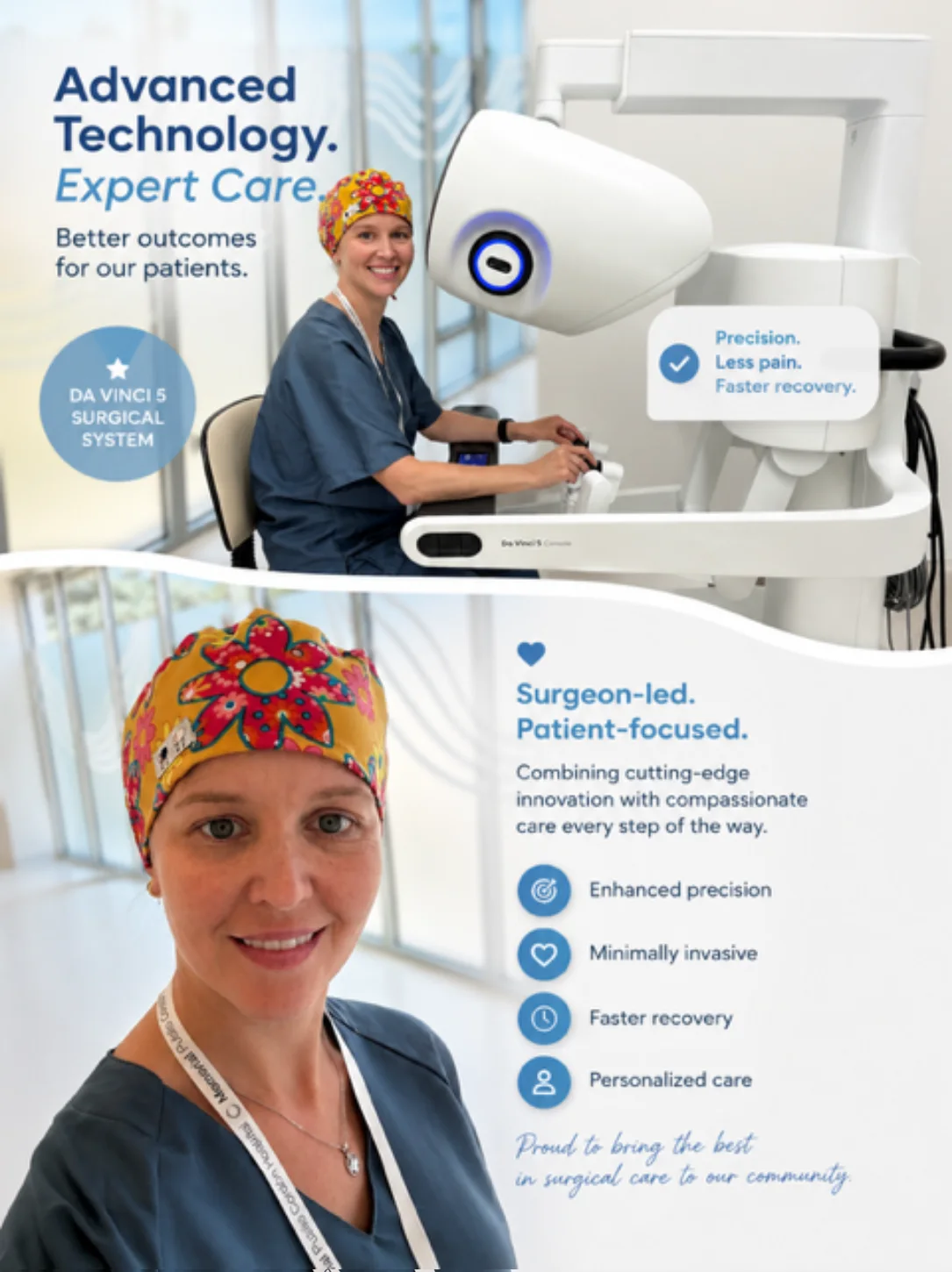
When rectal cancer requires surgical resection, robotic surgery with the Da Vinci system makes work in the pelvis easier. The pelvis is a narrow anatomical space, with nerve structures critical for sexual, urinary and bowel function that must be preserved during resection. The Da Vinci robot, with its magnified three-dimensional vision and 540-degree articulation, allows maneuvering in that space with more precision than open surgery or conventional laparoscopy.
Quenet-Torrent Institute uses the fifth-generation Da Vinci, with higher image resolution, thinner instruments and better integration of intraoperative fluorescence (ICG). This system allows bowel anastomoses to be performed with real-time checking of blood perfusion, reducing the risk of anastomotic leak.
The surgeon's experience with this technique influences the results. Prof. Julio García Aguilar has been performing robotic colorectal surgery for more than 25 years and has developed nerve-sparing techniques and resection techniques for complex pelvises. Dr. Patricia Tejedor completed two specific fellowships in robotic colorectal surgery, in 2019 and 2021.
Da Vinci robotic surgery offers documented clinical advantages over open surgery and conventional laparoscopy in the treatment of colorectal cancer:
Precise robotic dissection reduces intraoperative bleeding and the need for transfusions.
Minimal incisions and less tissue handling mean less pain and lower use of painkillers.
Patients return to their usual activity sooner, with shorter hospital stays.
The robot's articulation allows the resection to be completed in difficult pelvises without enlarging the incisions.
Total mesorectal excision (TME) with negative margins is technically superior with the robot in narrow pelvises.
The magnification and 3D vision of the Da Vinci make it easier to identify and preserve the hypogastric nerves and pelvic plexuses, reducing postoperative sexual and urinary dysfunction.
The robotic approach increases the chances of preserving the sphincter and avoiding a permanent stoma.
The Da Vinci 5 robotic system widens the surgical field with high-definition 3D vision, articulated instruments with 7 degrees of freedom and filtering of physiological tremor. In narrow pelvises, low tumors and salvage operations, this combination results in cleaner and safer dissection.
What matters is not the robot but the team using it: Prof. García Aguilar has more than 25 years of experience in minimally invasive colorectal surgery and Dr. Tejedor brings two specific fellowships in robotic colorectal surgery (2019 and 2021).
A second opinion is not a sign of distrust towards the doctor in charge of follow-up: it serves to check that the proposed treatment is the most suitable. It is especially advisable in the following cases:
At Quenet-Torrent Institute we review all the clinical documentation, the imaging tests and the pathology, and we issue an independent report with the strategy we propose for the case.
The treatment strategy is adapted to the type and stage of the tumor, its anatomical location and the response to neoadjuvant treatment:
| Tumor type | Treatment |
|---|---|
| Colon cancer | Segmental colectomies, preferably robotic |
| Rectal cancer, Watch & Wait | Intensive follow-up without removal if there is a complete response to TNT |
| Rectal cancer, robotic surgery | Low/ultralow anterior resections with Da Vinci, sphincter preservation |
| Locally advanced tumors | Abdominoperineal resection with robotic surgery in complex pelvises |
| Metastatic cases | Surgery after response + resection of liver/lung metastases + selected CRS+HIPEC |
Metastatic colorectal cancer is not always a situation without curative options. At centers with experience in complex oncological surgery, a significant proportion of patients with metastases can receive treatment with curative intent or long-term control. The options available at Quenet-Torrent Institute include:
Dr. François Quenet, with more than two decades of experience in high-complexity oncological surgery, leads the institute's most complex cases. See Dr. François Quenet's profile.
These are the diagnostic and surgical techniques we use and what each one is for:
| Technology | Use |
|---|---|
| Total neoadjuvant therapy (TNT) | Increase organ preservation |
| High-resolution rectal MRI | Selection of Watch & Wait candidates |
| Endoscopy with NBI | Assessment of tumor response |
| 3D surgical planning | Precision of the approach |
| Da Vinci® robotic surgery | Precise resections in narrow pelvises |
| Intraoperative fluorescence (ICG) | Safe anastomoses |
| ERAS protocols | Enhanced postoperative recovery |
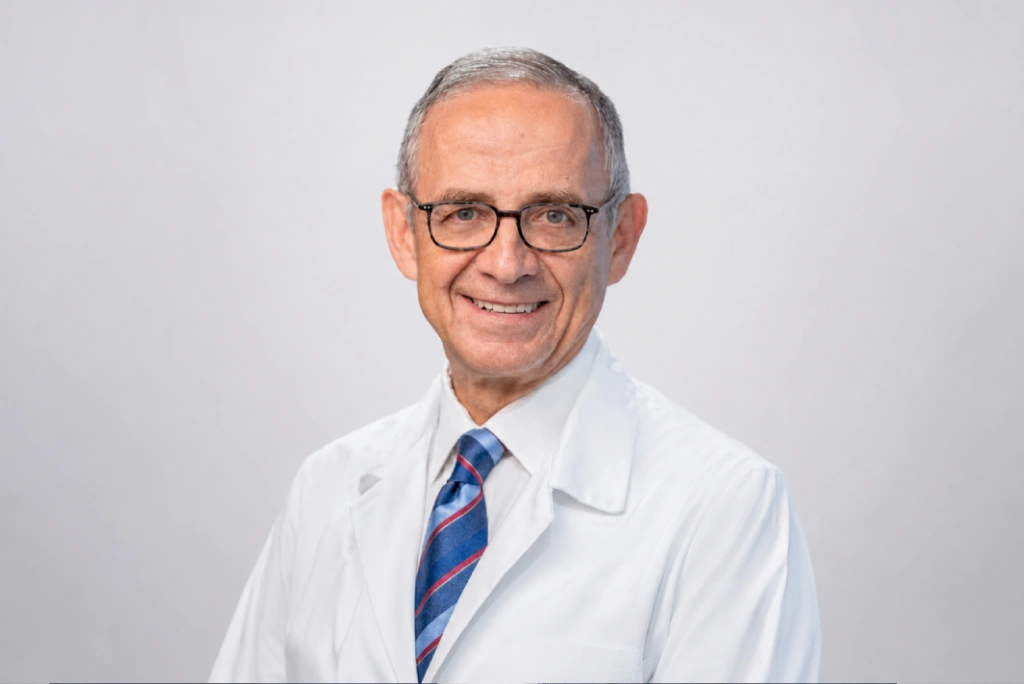
Chief of the Colorectal Service at Memorial Sloan Kettering Cancer Center (New York) and holder of the Benno C. Schmidt Chair in Surgical Oncology. Principal investigator of the OPRA trial on organ preservation in rectal cancer. He has more than 25 years of experience in robotic colorectal surgery. He collaborates with Quenet-Torrent Institute on the Watch & Wait protocol and on training the team.
View doctor: Prof. Julio García Aguilar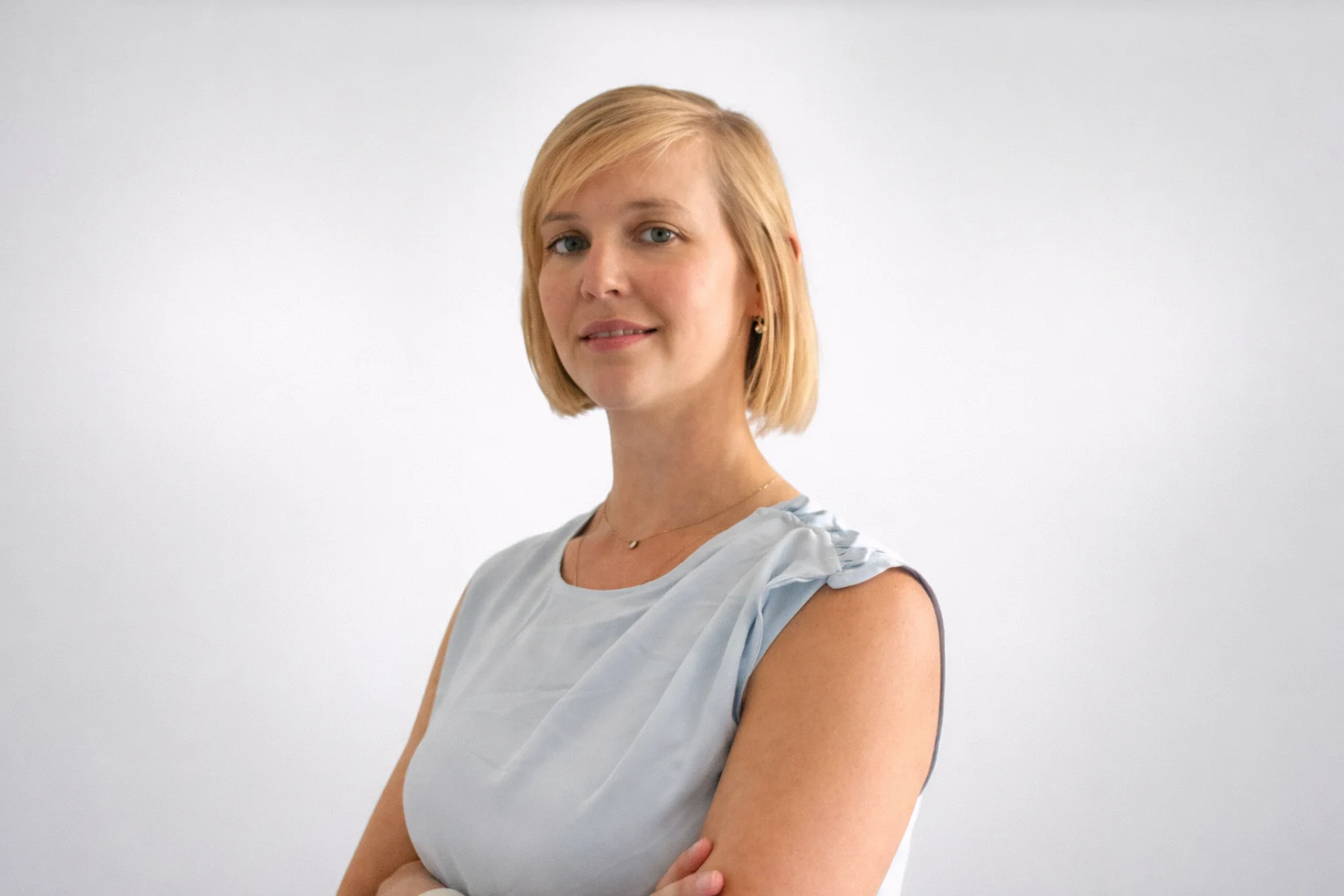
Colorectal surgeon
View doctorDoctor of Medicine (Sobresaliente Cum Laude, UAM) and consultant in the Colorectal Surgery Unit at Hospital Gregorio Marañón. More than 100 scientific publications, member of the Editorial Board of the British Journal of Surgery and of the ESCP Program Committee. Principal investigator of the ADiFAS, PEARLS and PROCaRe studies. Double fellowship in robotic colorectal surgery (2019 and 2021).
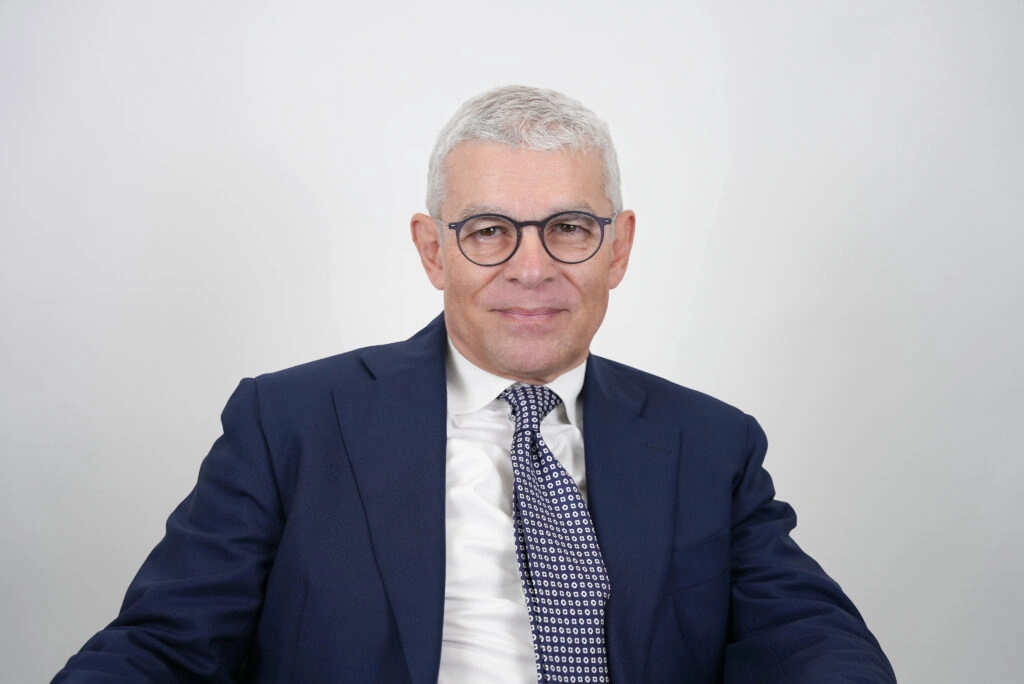
Oncological surgeon
View doctor: Dr. François Quenet"As an oncological surgeon, my experience in treating colorectal tumors has taught me that surgery remains the cornerstone of curing this disease."
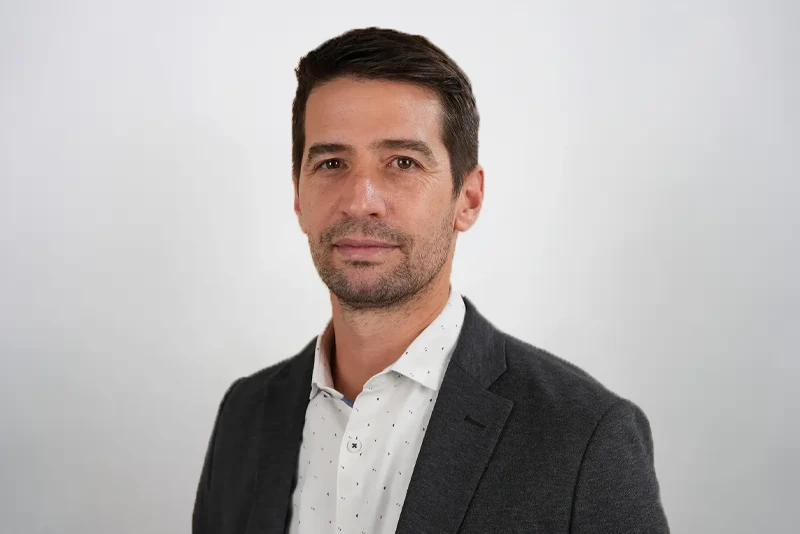
Colorectal surgeon
View doctor: Dr. Carlos Rodríguez-Otero Luppi"For me, oncological colorectal surgery is a discipline where anatomy, precision and decision-making meet science and empathy."
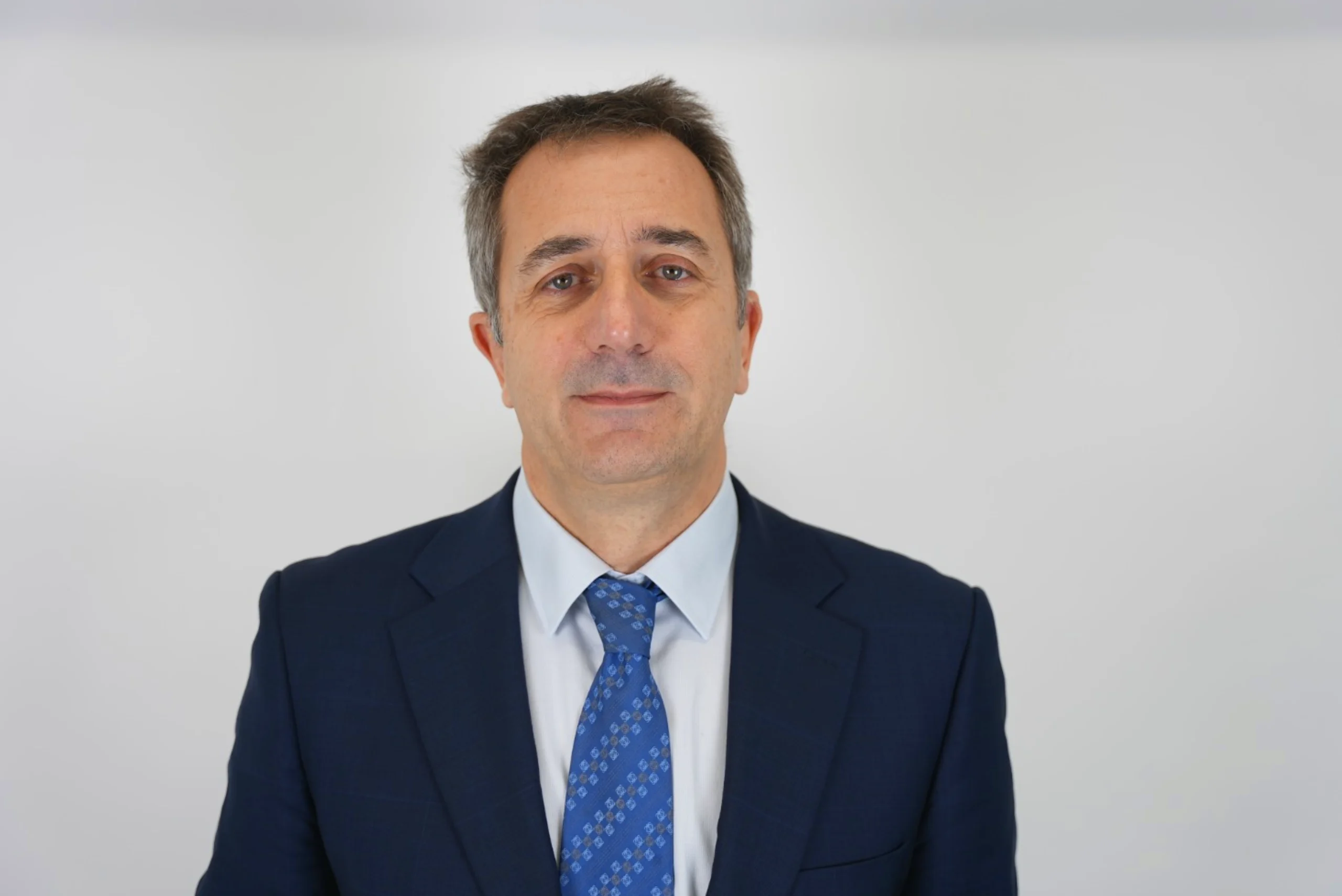
Oncological surgeon
View doctor: Dr. Juan José TorrentOncological surgeon at Quenet-Torrent Institute, specialized in complex digestive surgery and in peritoneal carcinomatosis of colorectal origin, working in Barcelona and Madrid.
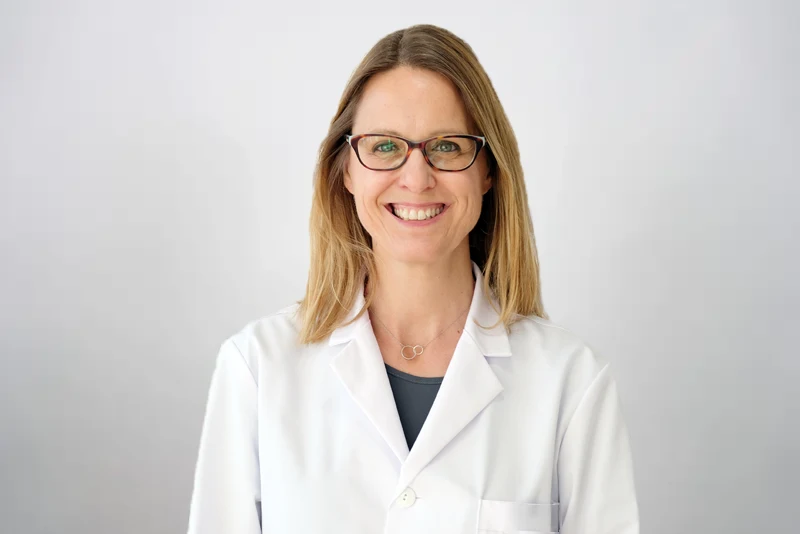
Medical oncologist
View doctorHead of the Gastrointestinal Cancer Section at Hospital del Mar and deputy director of the Hospital del Mar Research Institute, where she leads the Precision Medicine in Colorectal Cancer Group. She researches biomarkers, resistance to targeted therapies and liquid biopsy.
In the public health system they gave my father a year to live at most. All they offered him was chemotherapy and no hope; they said it was impossible, that nothing could be done for him. He had several tumors inside the peritoneal sac with metastases. A year and a half later he is clear, completely cured. His last PET scan (imaging test) came back clear. We are very happy. Thanks to Dr. Torrent and his team. THANK YOU.
I have peritoneal carcinomatosis. When I sent my diagnosis to every center, practically all of them agreed on palliative chemotherapy with a short survival time, because I had a very aggressive cell type. Until we came to Dr. Quenet, Dr. Torrent and their team. I can only confirm what their CV says: they are far ahead of the rest. They saved my life, because during the operation the harmful cells that everyone had diagnosed, and for which nobody would operate on me, were not there. This operation has become the best investment of my life.
I am a 63-year-old patient. I was diagnosed with cancer of the adrenal gland and told there was nothing to be done. I looked for a second opinion and was told about the Quenet Torrent team, specialists in complex operations. From the very first moment, Dr. Torrent told me they could operate. They operated and removed a large tumor mass. I spent a week in the ICU and a month on the ward. Every day he came by morning and afternoon, Saturday or Sunday alike. You must not throw in the towel. I am happy to have found these professionals, who have given me my life back. Thank you.
Excellent professionals, especially Dr. Torrent, attentive at all times to the patient (my wife), who was operated on for pseudomyxoma peritonei. They helped us with everything we needed, since we came from outside Barcelona. Thank you, Elisabeth. We are very grateful to Quenet Torrent Institute, thank you for everything.
A wonderful surgical team, among the best there is. Dr. Torrent (an expert in peritoneal carcinomatosis) is an exceptional surgeon and an even better person. His coordinator is super kind, quick and efficient. The human treatment is excellent and so are the results. This is vitally important for cancer patients.
Dr. Torrent helped me make the best decision at a difficult time. I think he is a great professional and a person who is able to support you and put himself in your place. Thank you for everything.
Answers to the most common questions about Watch & Wait, robotic surgery and the treatment process.
No. Watch & Wait is only suitable for patients who achieve a complete clinical response after total neoadjuvant therapy. It requires precise staging with high-resolution rectal MRI and high-definition endoscopy, as well as the patient's commitment to intensive follow-up. Incorrect selection of candidates compromises oncological safety.
The decision is made by the multidisciplinary board, bringing together the opinions of the colorectal surgeon, the medical oncologist, the radiation oncologist and the radiologist specialized in rectal MRI. At Quenet-Torrent Institute, the Watch & Wait protocol follows the methodology of Prof. García Aguilar (Memorial Sloan Kettering Cancer Center).
Local reappearance (regrowth) occurs in about 25-30% of cases during the first two years. In the vast majority, when it is detected early thanks to intensive follow-up, salvage surgery is possible with curative intent. That is why rigorous follow-up is an inseparable part of the protocol.
Yes. In localized tumors or those with resectable metastases, complete surgical resection is the only route with curative intent. In stages I-II, 5-year survival exceeds 80%. In stage III, with adjuvant chemotherapy, it reaches 60-70%. In selected metastatic cases, surgery combined with other treatments can achieve long survival.
Not always, but in most cases of rectal cancer the sphincter can be preserved. This is achieved with robotic surgery or with watch and wait in complete responders. The need for a permanent colostomy depends on the location of the tumor, the stage, the anatomy and the response to treatment.
HIPEC (hyperthermic intraperitoneal chemotherapy) combined with cytoreductive surgery is an option for patients with peritoneal carcinomatosis of colorectal origin and a low peritoneal tumor burden. It does not apply to every case, but in correctly selected patients it can offer lasting oncological control. More information on HIPEC.
With ERAS (enhanced recovery) protocols, the usual hospital stay after robotic colorectal resection is 3 to 5 days. Full functional recovery to resume moderate activity usually takes between 3 and 6 weeks, depending on the type of resection and the patient's general condition.
Yes. Quenet-Torrent Institute regularly treats patients from all over Spain and from other countries. The team coordinates the remote receipt of clinical documentation to give a first assessment before any travel, and organizes the care process to keep the necessary trips to a minimum. For international patients, logistical support during the process is also arranged.
The Quenet-Torrent Institute team reviews each case individually, including the options for organ preservation and robotic colorectal surgery. If you have questions about your diagnosis, the proposed treatment plan or the options available, contact us.
We operate in two private hospitals in Spain. The same medical team treats you in Madrid and in Barcelona, with the same surgical and oncological protocols.
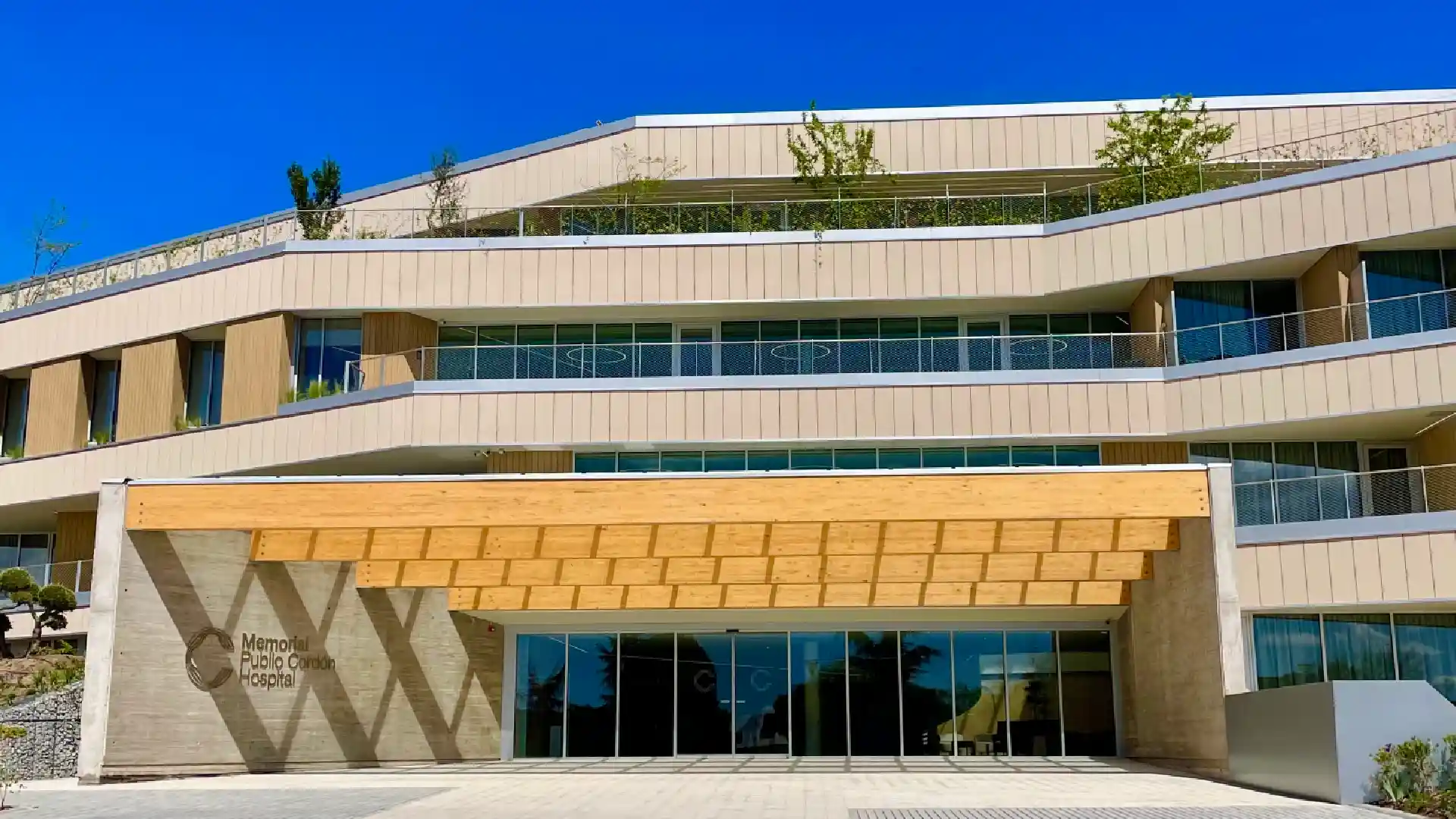
Private hospital in Pozuelo de Alarcón with a multidisciplinary team specialised in digestive surgical oncology.
View Memorial Publio Cordón Hospital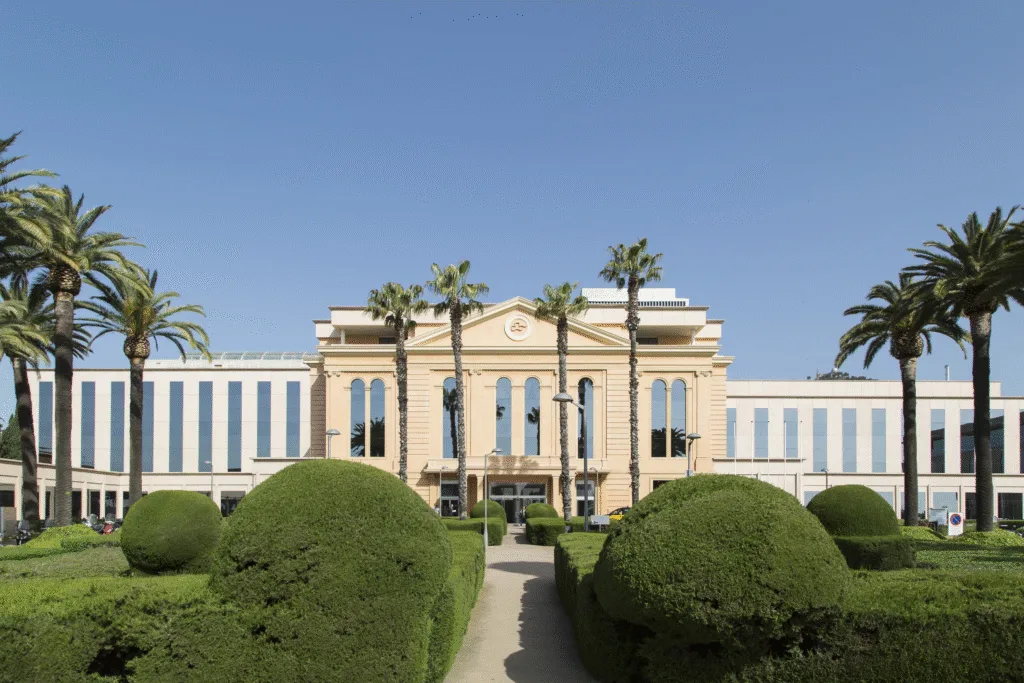
Private hospital in Barcelona where the team performs high-complexity surgical oncology.
View Centro Médico Teknon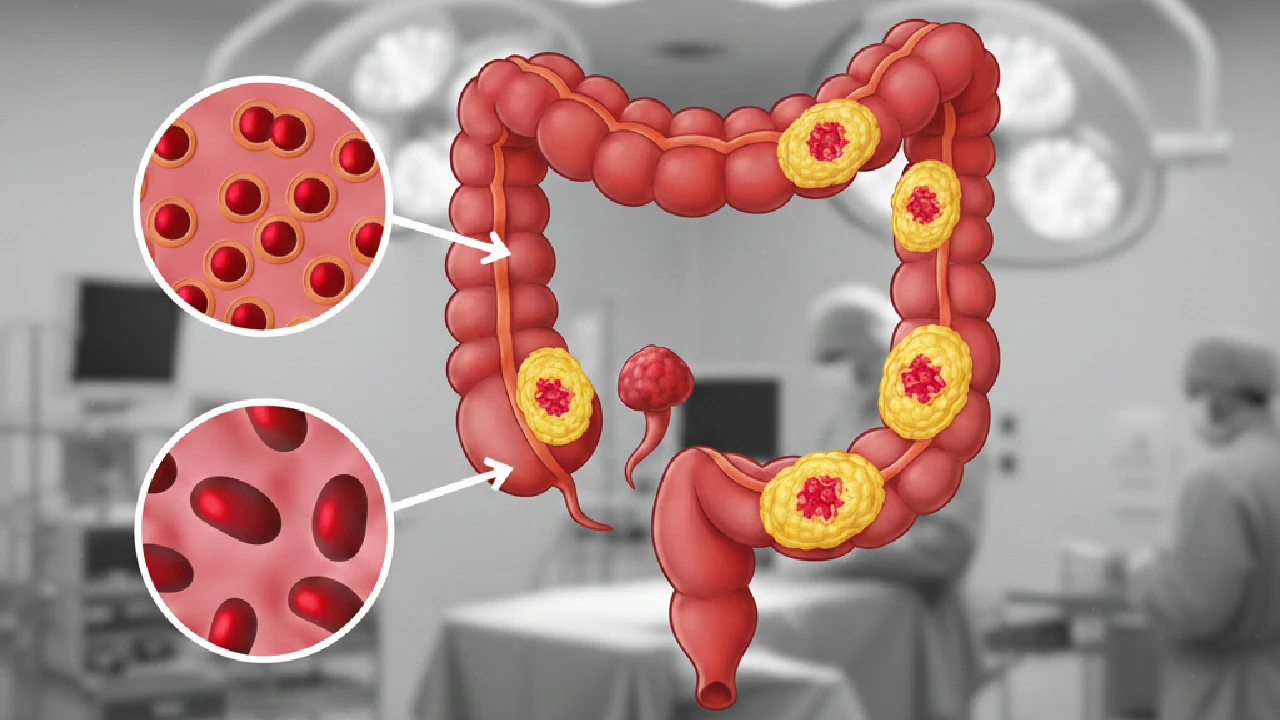
A complete guide to colon cancer: risk factors, warning symptoms, diagnostic methods and treatment options, including robotic surgery and chemotherapy.

An ostomy is a surgical opening that diverts intestinal or urinary flow. Types, care and, above all, when it can be avoided or reversed.
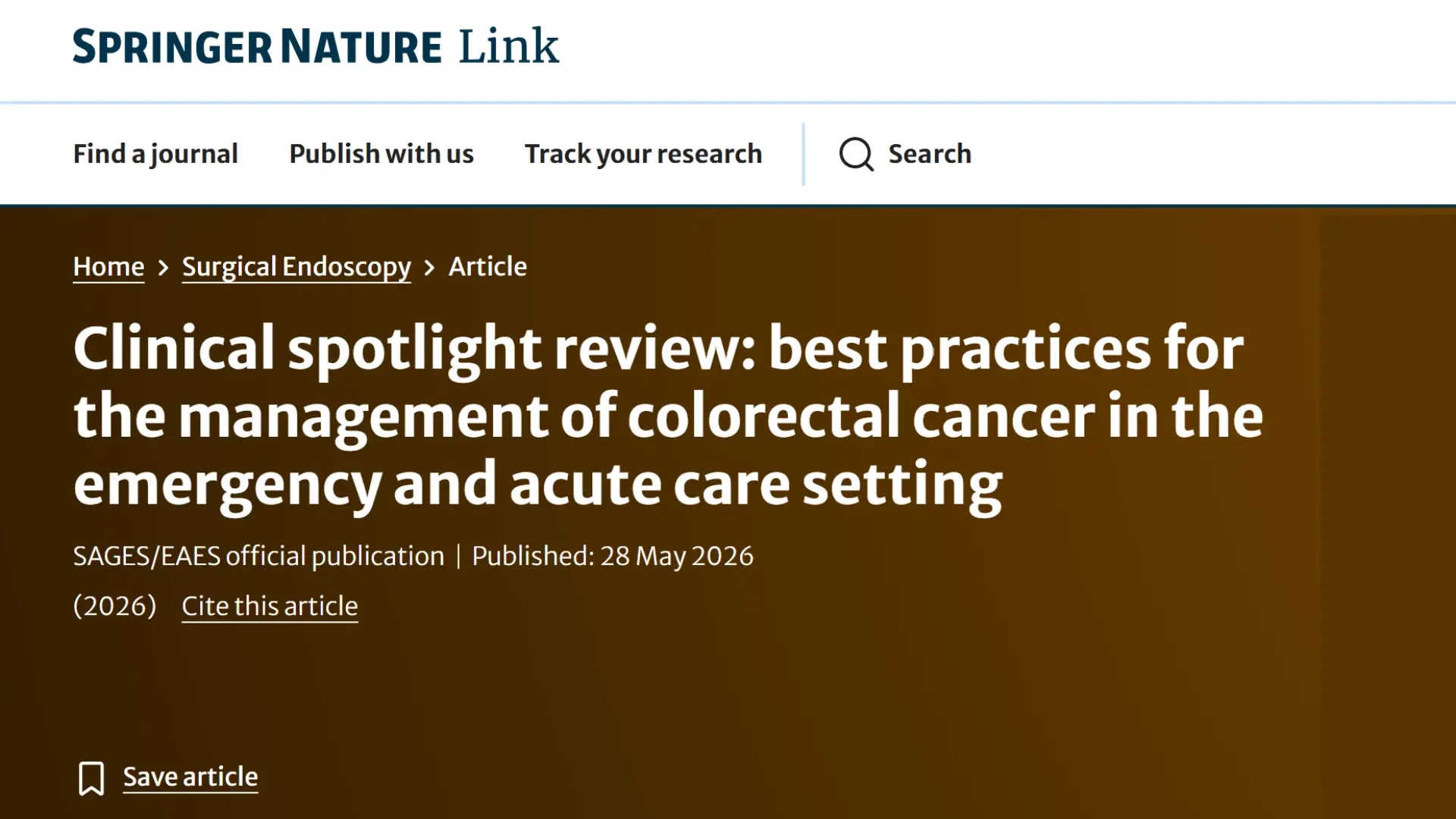
Dr. Patricia Tejedor is first author of the SAGES clinical review on the management of colorectal cancer in the emergency setting, published in Surgical Endoscopy.
Complete the form and schedule your appointment to speak directly with the surgeon.