
When a patient is diagnosed with liver metastases, one of the first questions is: can you live with this disease?
The answer is yes: it is possible to live with it and, in certain cases, even to be cured. A significant proportion of patients live for many years, and in selected situations the disease disappears completely.
That result depends a great deal on the patient being assessed and treated from the outset by a team with experience in liver cancer.
Factors that influence survival (and the chance of cure)
Every patient is different. What the disease is like matters, and so does how treatment is approached from the start.
The relevant factors include:
• the type of primary tumour
• the number and size of the liver lesions
• their location within the liver
• whether treatment with curative intent is possible (especially surgery)
• the response to systemic treatment
• the patient's general condition
Many patients who are not operable at first can become operable with the right treatment at a specialised centre.
Liver resections: the main route to cure
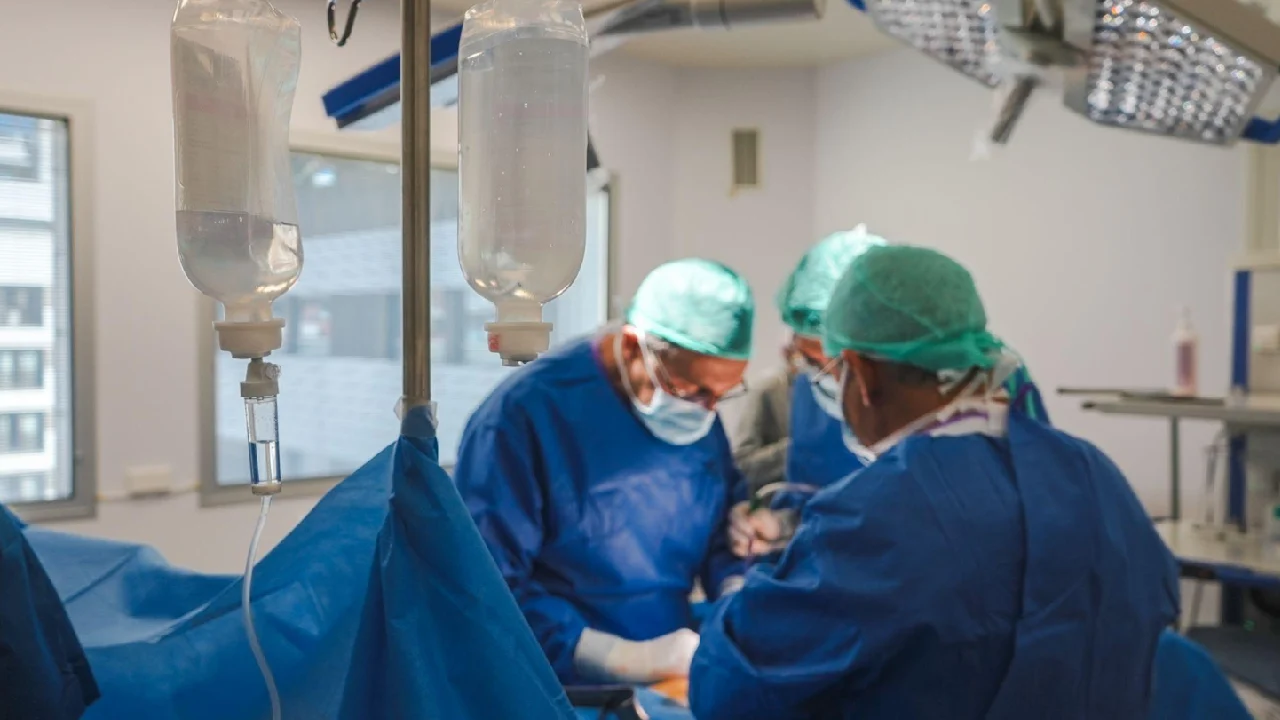
Liver surgery is still, in many cases, the main option with curative intent for liver metastases.
Liver resections make it possible to remove the tumour lesions completely, and because the liver can regenerate, operations can be performed safely even in complex cases.
In well-selected patients treated by experienced teams:
very long survival can be achieved
there is a real chance of cure
That is why every patient should be assessed by a liver surgeon before this option is ruled out.
Interventional radiology: widening the treatment options
Interventional radiology techniques make it possible to treat lesions in a minimally invasive way.
They are an alternative when surgery is not possible and, in many cases, they also:
make it possible to turn inoperable patients into operable ones
complement surgery to achieve complete treatment
help keep the disease under control in the long term
Robotic surgery and advanced techniques
The introduction of technology such as robotic surgery has made it possible to operate on increasingly complex cases with greater precision.
This means:
• less surgical trauma
• faster recovery
Even so, the result depends more on the team's experience than on the technology.
Quality of life
Today, many patients with liver metastases can maintain a good quality of life for years.
The aim of treatment is twofold:
• to prolong survival
• to maintain or improve quality of life
And in selected cases, to achieve a cure.
The multidisciplinary team
One factor has a large influence on the prognosis:
being assessed by a multidisciplinary team with experience in liver metastases
This team usually includes:
• specialised liver surgeons
• medical oncologists
• interventional radiologists
Combining the treatments well, and choosing the right time for each one, makes it possible to:
increase the options for surgery
improve results
turn complex cases into potentially curable ones
Conclusion
Liver metastases do not mean a disease without a solution.
Today we know that:
many patients can live for years with the disease
a significant group can be cured
For that, the patient has to be treated from the outset by a team with experience in this disease.
Have you or a family member been diagnosed with liver metastases? At Quenet Torrent Institute, our hepatobiliary oncological surgery team will assess your case and explain what options you have. Request a specialist assessment today.