
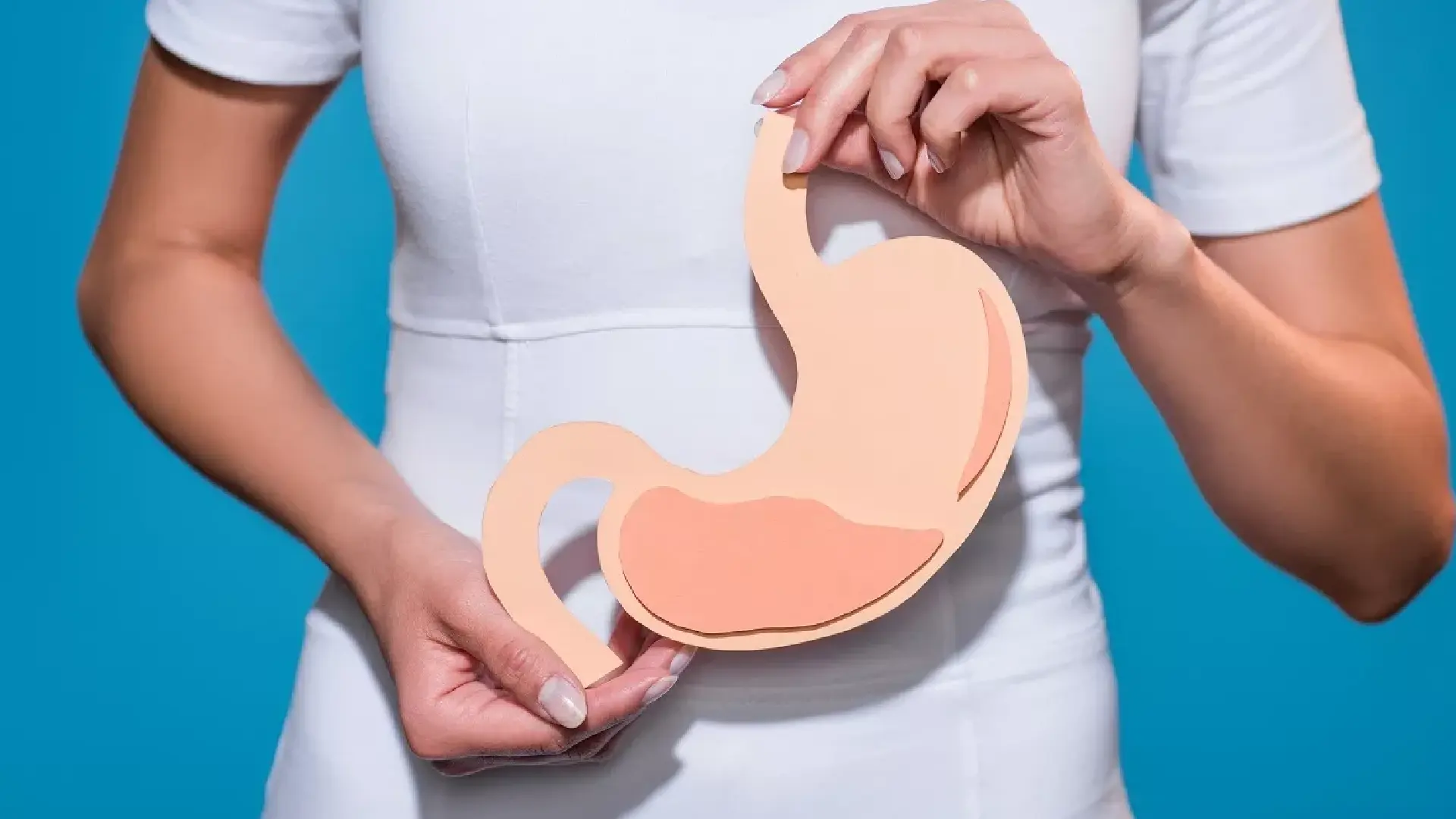
When a patient with peritoneal carcinomatosis (from ovarian, colon, appendix, stomach or other cancers) is told that surgery will include a "peritonectomy", the same question comes up almost every time: if they remove my peritoneum, can I live without it? The short answer is yes, and understanding why helps patients face the operation with less fear.
Quick answer: yes, you can live without the part of the peritoneum that is removed. Cytoreductive surgery does not remove "the whole peritoneum", only the areas affected by tumor implants, mainly the parietal peritoneum (which lines the wall of the abdomen and pelvis) and the omentum. Most of the peritoneum covering the organs is preserved, and the operated surfaces are covered again in about five to seven days, regardless of the size of the treated area. The aim of surgery is to leave no visible disease, because that is the factor with the greatest influence on prognosis.
What the peritoneum is and what it does
The peritoneum is a very thin membrane that lines the inside of the abdomen. It has two layers: the parietal layer, which covers the abdominal wall, the diaphragm and the pelvis, and the visceral layer, which wraps organs such as the small bowel, the colon, the liver or the stomach.
Its main job is to let the organs slide over each other without friction. To do this it produces a small amount of lubricating fluid. It also plays a part in fighting infection and in fluid exchange. It is important, but it is not a vital organ in the way the heart or the liver are: the body can do without large areas of parietal peritoneum and keep working normally.
Why it has to be removed in ovarian peritoneal carcinomatosis
Ovarian cancer tends to spread over the surface of the peritoneum as small implants, sometimes only millimeters in size. This is known as peritoneal carcinomatosis of ovarian origin. Intravenous chemotherapy has difficulty reaching these implants because the peritoneal surface has a poor blood supply, so surgery is the main tool for removing them.
Imaging tests also tend to underestimate the true extent of the disease. In a series of 73 operations for carcinomatosis of ovarian origin, the carcinomatosis index measured by CT had a median of 5, compared with 11.5 at surgical exploration in the same patients. That is why the final decision on what to remove is made during the operation, after exploring the whole abdominal cavity.
What cytoreductive surgery and peritonectomy are
Cytoreductive surgery is the operation that aims to remove all visible tumor inside the abdomen. Surgeons speak of complete cytoreduction (CC0) when no visible tumor is left at the end.
Peritonectomy is one of the techniques that make up that surgery: it consists of lifting off and removing the areas of peritoneum that have implants. It is not a separate operation, but one more procedure within cytoreduction.
What is removed
It depends on where the disease is in each patient. In carcinomatosis of ovarian origin, cytoreductive surgery usually includes, depending on the findings:
- Uterus, fallopian tubes and ovaries, where the tumor starts.
- Greater omentum, a sheet of fat that hangs from the stomach and often collects implants.
- Pelvic peritoneum, the area most often affected.
- Peritoneum from other regions if it has implants: the front abdominal wall, the flanks or the surface of the diaphragm.
- Lymph nodes, when indicated.
- Segments of bowel (often part of the rectum and sigmoid colon) if the tumor has invaded them.
- In some cases, the gallbladder or spleen, when there is disease on their surface.
What is not removed
This is the key to understanding why life goes on after the operation:
- Healthy peritoneum is not removed. Peritonectomy is selective: only the affected regions are taken out.
- Most of the visceral peritoneum is preserved. It is not possible to "peel" the whole bowel; when there are implants on an organ, they are removed locally or that specific segment is resected.
- Vital organs are preserved. The aim is to remove all visible tumor while keeping digestive function and quality of life.
What about HIPEC?
In some patients, heated chemotherapy is applied directly into the abdomen at the end of cytoreduction (HIPEC). In a trial published in The New England Journal of Medicine, adding HIPEC to interval surgery in stage III ovarian cancer was associated with a median overall survival of 45.7 months, compared with 33.9 months with surgery alone, without increasing serious side effects.
HIPEC is already included in ovarian cancer treatment guidelines. The European guidelines published in October 2023, however, state that it should not yet be considered a standard treatment, so it is assessed case by case. As the trial publication also points out, it should be given by an experienced team.
What life is like after surgery
The first days. It is a long and complex operation. Afterwards there is usually a period of close monitoring and a hospital stay that typically lasts one to two weeks. The bowel takes a few days to get back to its rhythm, and food is reintroduced gradually.
The first weeks. Tiredness is the most common complaint. Activity is resumed little by little, and in most cases additional chemotherapy restarts once the patient has recovered from surgery.
In the long term. Without the removed part of the peritoneum, daily life is normal: patients eat, exercise and return to their usual activities. There are a few things to bear in mind:
- Adhesions: as with any abdominal surgery, internal scars can form between loops of bowel. They usually cause no symptoms.
- Surgical menopause: if the patient had not yet reached menopause, removing the ovaries brings it on. Her team can advise her on how to manage the symptoms.
- Temporary stoma: if a segment of bowel has been resected, a protective ostomy is sometimes created and closed later.
- Vaccines: if the spleen has been removed, a specific vaccination schedule is needed.
Who is a candidate for this surgery?
It depends on the extent of the disease, whether complete cytoreduction can be achieved, the patient's general health and the response to previous chemotherapy. Because imaging can fall short, assessment at a center specialized in peritoneal carcinomatosis makes the difference: what looks inoperable on a first study may not be after an expert evaluation.
Frequently asked questions
Will they remove all of my peritoneum?
No. Only the areas with tumor implants are removed. Most of the peritoneum covering the organs is preserved.
Does the peritoneum grow back?
The operated surfaces are covered again by mesothelial cells within a few days. The original anatomy is not rebuilt exactly as it was, but the surface heals and works.
Will I be able to eat normally?
Yes. After recovery, most patients eat a normal diet. If part of the bowel has been removed, the team will give specific advice for the first weeks.
Are peritonectomy and cytoreductive surgery the same thing?
Not exactly. Cytoreductive surgery is the whole operation; peritonectomy is one of the procedures used within it.
What happens if not all of the tumor can be removed?
When complete cytoreduction is not possible, there are other strategies, such as chemotherapy first to shrink the disease and surgery afterwards, or specific intraperitoneal treatments in selected cases.
If you have been diagnosed with ovarian cancer with peritoneal metastases and want to know whether you are a candidate for cytoreductive surgery, an assessment by a team specialized in peritoneal carcinomatosis is the first step.
References
- van Driel WJ, Koole SN, Sikorska K, et al. Hyperthermic intraperitoneal chemotherapy in ovarian cancer. N Engl J Med. 2018;378:230-240. doi.org/10.1056/NEJMoa1708618
- Manzanedo Romero I, et al. Carcinomatosis peritoneal de origen ovárico. Validación de las pruebas diagnósticas. Cir Esp. 2017;95(Espec Congr):124. View on Elsevier (in Spanish)
- Mutsaers SE, et al. The origin of regenerating mesothelium: a historical perspective. Int J Artif Organs. 2007;30(6):484-494. doi.org/10.1177/039139880703000606
This article is for information only and does not replace a medical consultation. Each case should be assessed by a specialized team.