Only palliative treatment has been proposed
You have only been offered systemic chemotherapy and nobody has assessed whether cytoreductive surgery is feasible in your case.

Radical CC-0 surgery with ERAS protocols. The team assesses your case from scratch, even if you have been told there is no surgical option.
If you recognise any of these scenarios, the team can review it from scratch and tell you what surgical options you have.
You have only been offered systemic chemotherapy and nobody has assessed whether cytoreductive surgery is feasible in your case.
You have extensive peritoneal disease and another team considered it inoperable. You want a high-volume centre to make its own assessment.
You have been told that the peritoneal cancer index (PCI) rules out surgery. The limits of resectability vary with the experience of the team.
You have had a peritoneal relapse after a first operation and want to know whether a second cytoreduction is indicated.
You were diagnosed recently and do not yet have a surgical plan. You want a first opinion from a specialist team.
Nobody has assessed whether HIPEC can be added to your cytoreduction to improve the oncological outcome.
The result of CRS depends on the experience of the team, on how radical the surgery can be and on postoperative care.
The team aims for the complete removal of all visible macroscopic disease (complete cytoreduction, CC-0). This is the strongest prognostic factor after CRS.
When needed, CRS includes the resection of parts of the peritoneum, bowel, spleen, gallbladder or other affected organs. The goal is radical surgery with the least possible impact on function.
In selected cases, HIPEC can be added straight after cytoreduction: a perfusion of heated chemotherapy into the abdominal cavity to eliminate residual microscopic cells.
Enhanced recovery (ERAS) reduces complications and shortens the stay. Each case is decided by a committee of surgeons, a medical oncologist, a radiologist and a pathologist.
The surgeon who assesses your case is the same one who operates. The team includes specialists in the colorectal component of peritoneal disease.
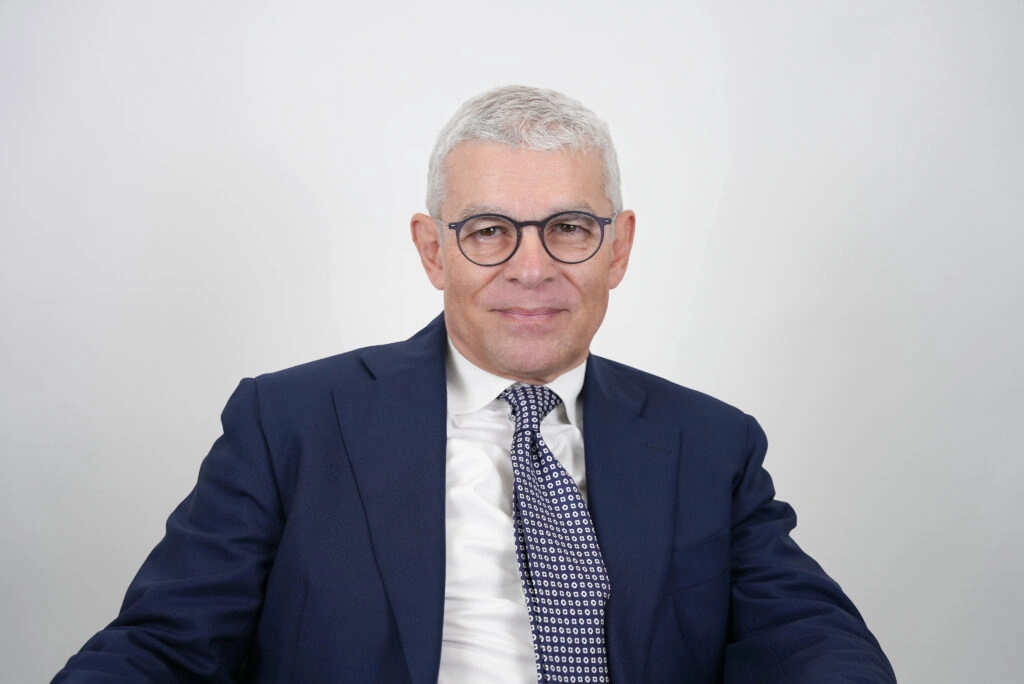
Oncological surgeon · Peritoneal carcinomatosis specialist
View profile"Principal investigator of the PRODIGE-7 trial. More than 3,000 CRS procedures back up the ability to take on highly complex cases."
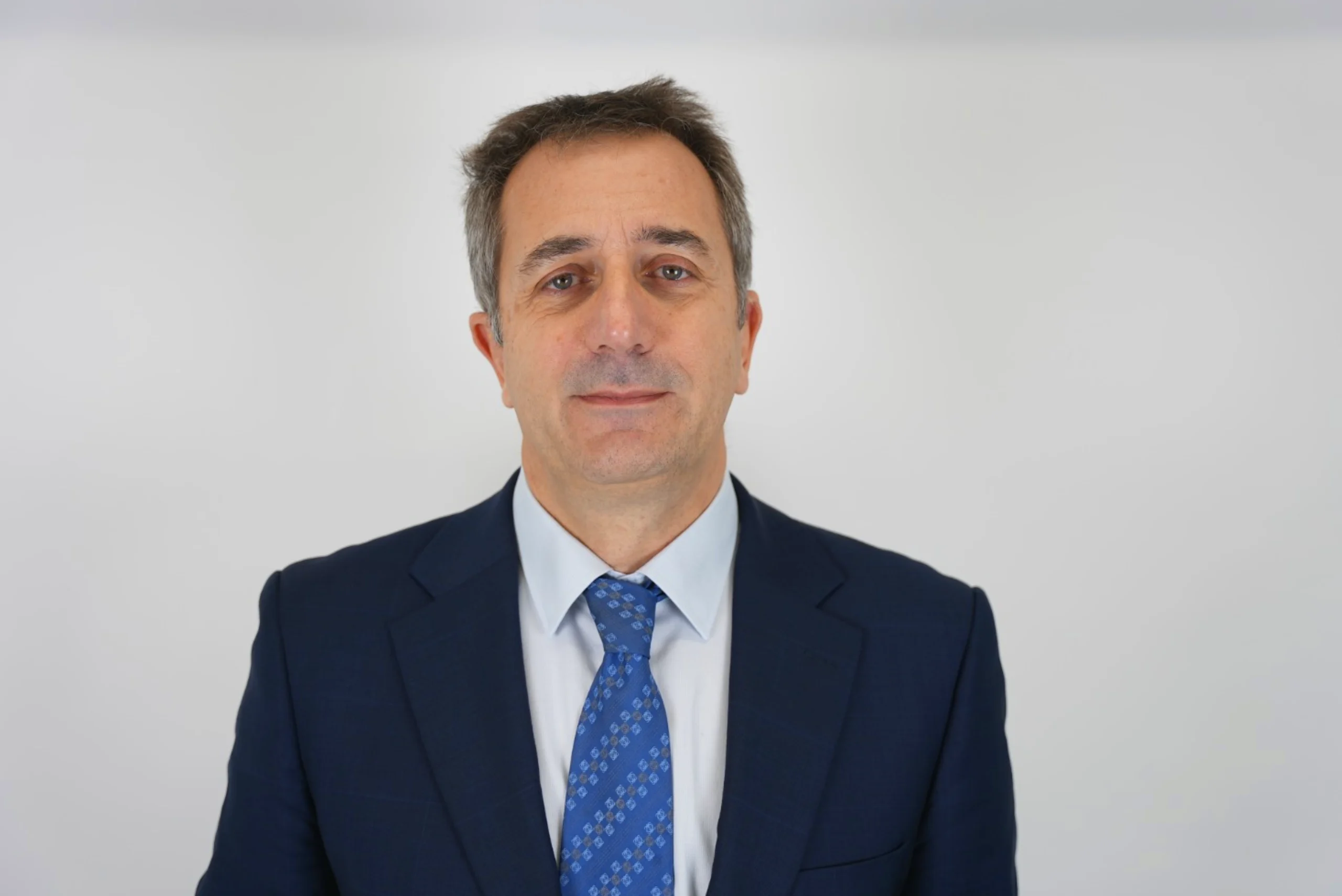
Oncological surgeon · Co-director of the peritoneal unit
View profile"The key lies in careful selection of the candidate and in achieving CC-0 radicality in every operation."

Colorectal surgeon · Specialist in the colorectal component of CRS
View profile"Precision in the colorectal component of cytoreduction is decisive for how well the patient functions after surgery."
You fill in the form and the coordinator tells you exactly what documentation we need to assess your case.
Surgeons, a medical oncologist and a radiologist analyse your case in a multidisciplinary meeting and establish whether surgery is indicated.
The coordinator explains the committee's assessment: whether CRS is indicated, whether combined HIPEC is being considered and what the next step is.
The assessment does not commit you to anything. If you decide to have surgery, we organise everything. If not, we give you the clinical information in writing.
The team's site in Barcelona. Passeig de Carlos III, 60-66, 08017 Barcelona.
Equipped with specific instruments for peritonectomies, HIPEC perfusion systems and continuous intraoperative monitoring.
Intensive care unit with experience in the follow-up of long oncological operations.
All rooms are single rooms, and a companion can stay throughout the admission.
Metro (L6 La Bonanova), FGC (Sarrià), taxi and its own car park. 20 minutes from Barcelona-El Prat Airport. More about Teknon.
Wonderful surgical team, among the best out there. Dr. Torrent (expert in peritoneal carcinomatosis) is an exceptional surgeon and an even better person. His coordinator is super kind, fast and efficient. The personal care is excellent and so are the results. This is of vital importance for cancer patients.
In the public healthcare system they gave my father a maximum of one year to live. They only offered him chemo and no hope, said it was impossible, that nothing could be done. He had several tumors inside the peritoneal sac with metastases. A year and a half later he is clean, completely cured. His latest PET scan came back clean. We are very happy. Thanks to Dr. Torrent and his team. THANK YOU.
Excellent professionals, especially Dr. Torrent, attentive at all times to the patient (my wife), operated for peritoneal pseudomyxoma. They helped us with all our needs since we came from outside Barcelona. Thank you Elisabeth. We are very grateful to Quenet Torrent Institute, thank you for everything.
I am a 63-year-old patient. They detected adrenal gland cancer and told me there was nothing to be done. I sought a second opinion and they told me about the Quenet Torrent team, specialists in complex operations. Dr. Torrent, from the first moment, told me they could operate. They operated and removed a large tumor mass. I spent a week in the ICU and a month on the ward. Every day he came morning and evening, no matter Saturday or Sunday. Never throw in the towel. I am happy to have found these professionals who gave me my life back. Thank you.
Many thanks for your attention. Dr. Torrent always attentive, involved and decisive. The reception staff very pleasant and always offering the best option. 100% RECOMMENDED. THANK YOU.
Dr. Torrent helped me make the best decision at a difficult moment. I think he is a great professional and a person capable of accompanying you and putting himself in another's shoes. Thank you for everything.
I have peritoneal carcinomatosis. When I sent my diagnosis to every center, practically all of them agreed on palliative chemo with little survival time, since I had a very aggressive type of cell. Until we reached Dr. Quenet, Dr. Torrent and their team. I can only confirm what their CV announces: they are far ahead of the rest. They saved my life, because during the operation the harmful cells that everyone had diagnosed, and that were the reason nobody would operate on me, were not there. This intervention has become the best investment of my life.
The best decision of my life was finding this excellent team of surgeons who saved my husband's life. At a prestigious international clinic in Madrid he was given up for lost with advanced peritoneal carcinomatosis from appendiceal cancer, and thanks to them, the best professionals in this field, he was operated on very successfully. A perfect recovery with no complications, because they were on top of his progress at all times. They have a great quality: from the start they were very honest and close. I can only be deeply grateful; we went to buy time and thanks to them my husband got his life back.
Dr. Torrent is a brilliant surgeon and a very approachable and warm doctor, whose manner reveals all the qualities that make him a great person and professional: perseverance, innate curiosity and a desire to learn, humility, sincerity and empathy. Going through an operation is undoubtedly an intense experience, physically and emotionally, in which anxieties arise and you feel very vulnerable. All of that is normal, and as his former patient I can say that his care and professionalism throughout the process were absolutely exceptional. I felt very supported by him, with the confidence of knowing I was in the best hands. I will always be grateful to him. Moltes gràcies Dr. Torrent!
Direct answers before you contact the team.
It is performed by Dr. François Quenet, Dr. Juan José Torrent, Prof. Luis González Bayón and, for the colorectal component, Dr. Patricia Tejedor. The team has carried out more than 3,000 cytoreduction procedures and operates at Centro Médico Teknon in Barcelona. It is the same team that operates at the Madrid site.
CC-0 means that no visible tumour implant is left in the abdomen at the end of surgery. It is the factor with the most influence on the long-term oncological outcome, more than the initial size of the disease. The team always aims for CC-0 when the anatomy of the case allows it at an acceptable risk.
No. Adding HIPEC depends on the origin of the tumour, the histology, the extent measured with the PCI and previous treatments. In some cases cytoreduction alone is the correct indication, and in others PIPAC is considered. The decision is made by the committee, not by automatic protocol.
Between 4 and 10 hours, depending on the extent of the disease and the number of resections and peritonectomies needed. It is done in a single operation under general anaesthesia. If HIPEC is added, the perfusion adds between 30 and 90 minutes within the same operation.
The average stay is 7 to 14 days at Centro Médico Teknon. The first days may require intensive care, depending on the size of the operation. The ERAS enhanced recovery protocols the team uses, with early mobilisation and early nutrition, shorten that time and reduce complications.
Yes. A large share of the patients we see have been declared inoperable at another centre. The committee assesses each case from scratch, with up-to-date tests and its own criteria based on the team's volume. Sometimes the conclusion is the same, and then we explain why and what alternatives exist.
Yes. Centro Médico Teknon has agreements with the main private insurers. Cover for this type of surgery depends on each policy and on prior authorisation, so the coordinator reviews your case and explains what your insurance covers and what would be left out before any step is taken.
Fill in the form on this page or call +34 660 658 276. The coordinator will contact you within 24 hours and tell you which reports and imaging tests to send. With that documentation, the committee assesses the case and proposes a specific plan.
The Quenet Torrent Institute team reviews your case in a multidisciplinary committee. If surgery is indicated, we tell you clearly.
Call us: +34 660 658 276
Cytoreductive surgery is used in the treatment of advanced cancers with abdominal involvement. We explain what it is, when it is indicated, how it is performed and what results it offers.

Prognosis in peritoneal carcinomatosis does not depend on a single figure. Tumour type, extent, cytoreductive surgery and the patient's condition determine the course of the disease.
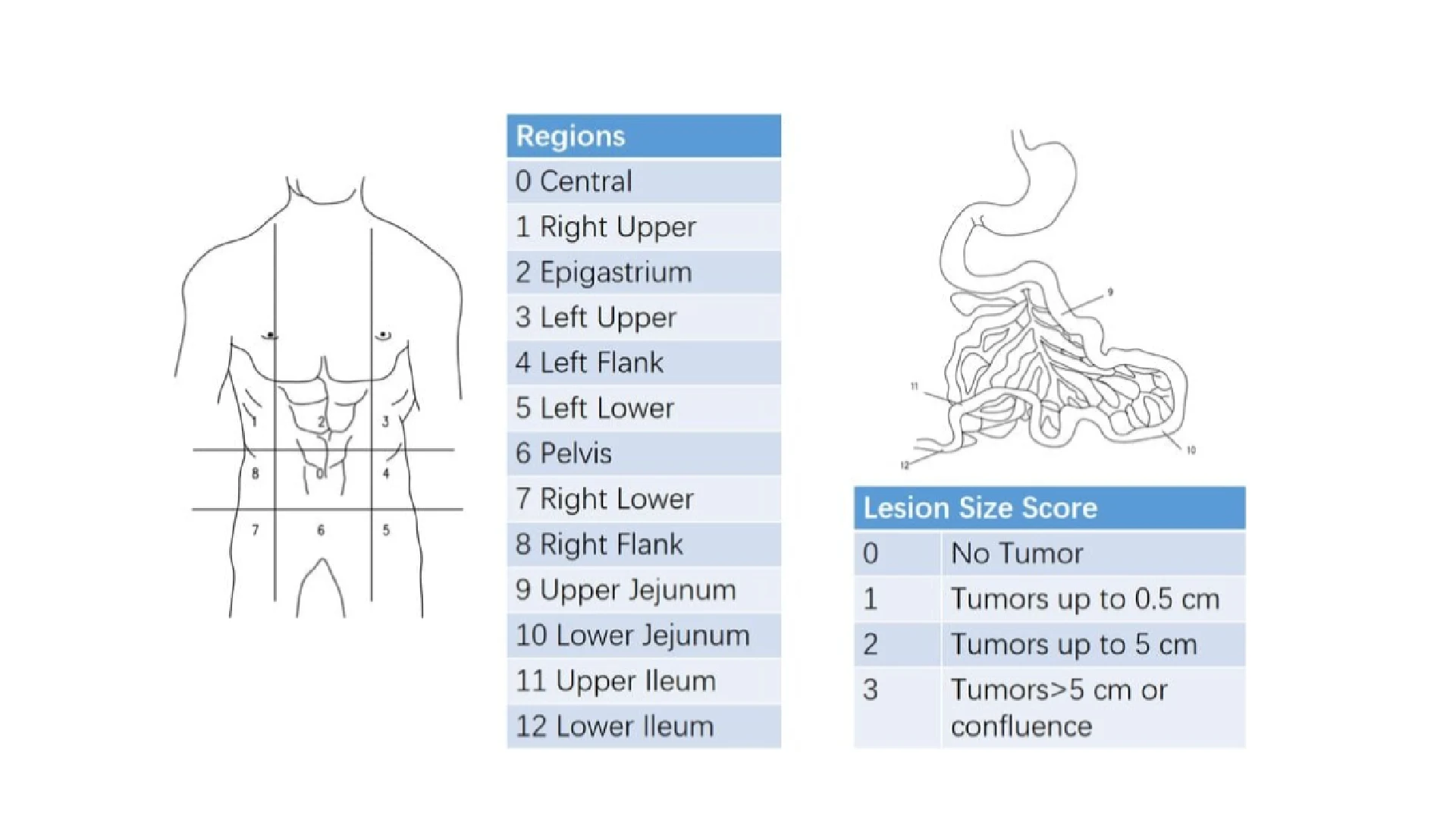
Clinical guide to the Peritoneal Cancer Index (PCI): what it measures, how it is calculated, how it is applied in treatment decisions and its relationship with cytoreductive surgery.