
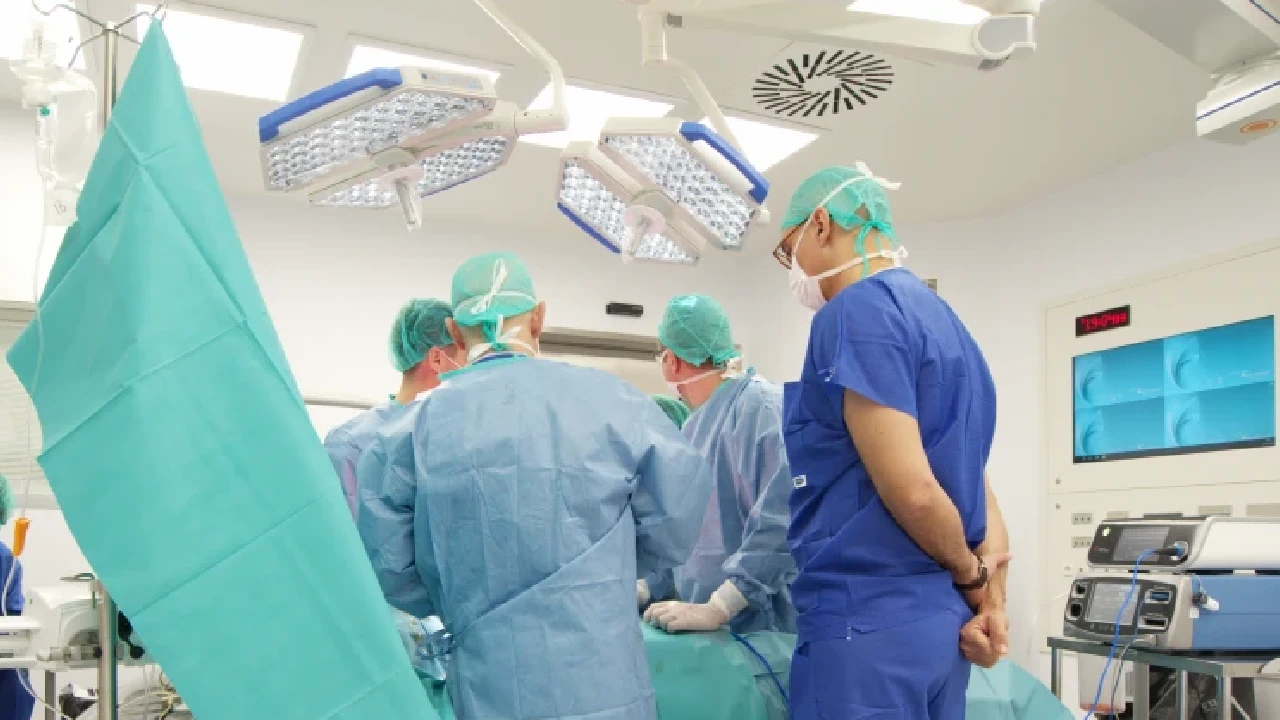
Factors that determine surgical success
Success in oncological surgery depends on many interrelated factors. The patient's survival depends not only on removing the tumour, but on how, when and by whom it is done.
Factors in surgical success
1. R0 resection (negative margins): The most important prognostic factor. A difference of years in survival
2. Surgeon experience: Specialised vs general surgeons: 20-30% higher survival
3. Centre volume: >30 cases/year of the specific procedure improves results
4. Multidisciplinary team: Oncology committees improve patient selection and strategy
5. Surgical timing: Neoadjuvant chemotherapy at the optimal moment
6. Surgical technique: Robotic surgery, HIPEC and other specific techniques
7. Perioperative care: ERAS, nutrition, specialised ICU
8. Patient condition: Prehabilitation improves results
The importance of a specialised centre
See how to choose a centre for oncological surgery.
Examples by condition
Colon cancer: R0 resection + adequate lymphadenectomy (>12 nodes): survival 60-90% depending on stage
Ovarian cancer: Complete vs suboptimal cytoreduction: a 2-year difference in median survival
Sarcomas: R0 vs R1 margins: 5-year survival 60% vs 20%
Carcinomatosis: Complete cytoreduction + HIPEC vs chemotherapy alone: 40 vs 12 months
Do you need a surgical assessment? At Quenet Torrent Institute we work with a specialised team and a high volume of cases. Request an assessment.