
Abdominal sarcomas: rare and complex tumours
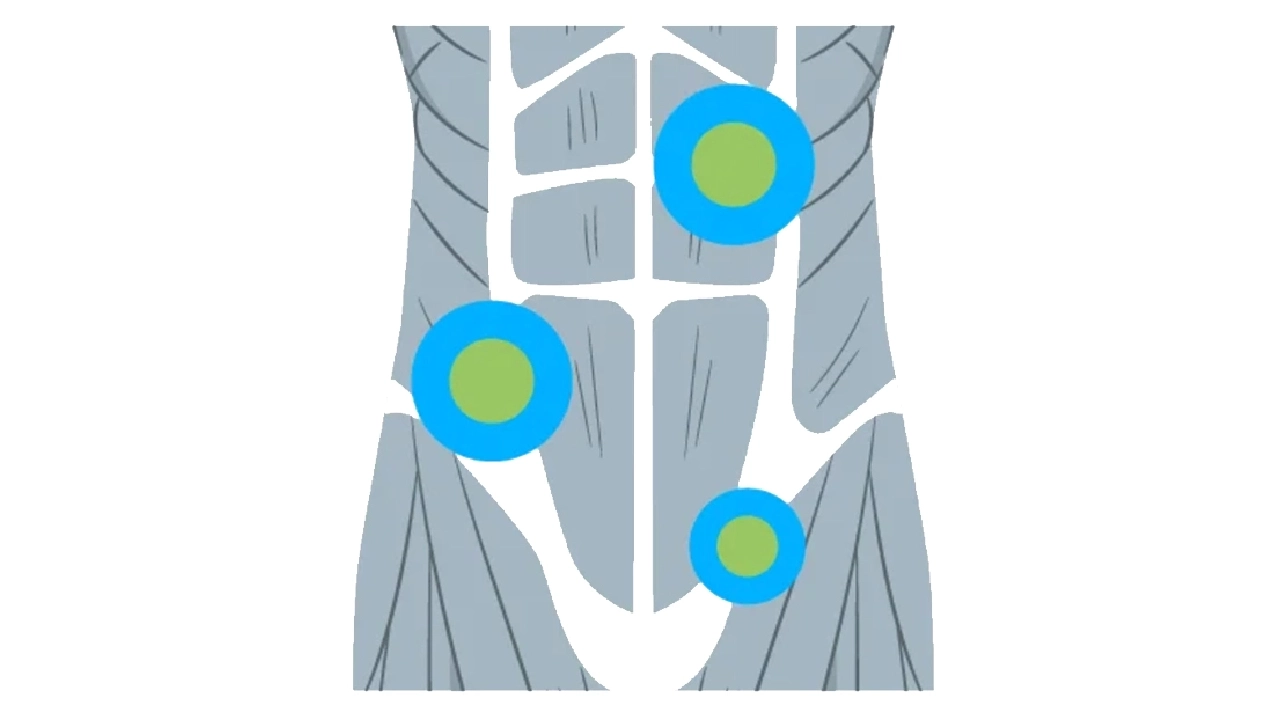
Abdominal and retroperitoneal sarcomas are rare malignant tumours that arise in the soft tissues (fat, muscle, blood vessels, connective tissue) of the abdomen and retroperitoneum. They account for <1% of all cancers in adults, and they are best treated at centres with experience in this tumour.
At Quenet Torrent Institute we frequently perform surgery for large sarcomas.
Most common types
Liposarcoma (40-50%): Malignant tumour of fatty tissue. Subtypes: well-differentiated, myxoid, pleomorphic, dedifferentiated
Leiomyosarcoma (20-30%): Smooth muscle tissue. More aggressive, higher risk of metastasis
Gastrointestinal stromal tumour (GIST): Tumours of the stomach or bowel wall. Sensitive to imatinib
Undifferentiated pleomorphic sarcoma: Aggressive, poor prognosis
Others: Fibrosarcoma, synovial sarcoma, angiosarcoma
More on types of sarcoma.
Symptoms
• Palpable abdominal mass: Often painless, slow-growing
• Progressive abdominal distension
• Abdominal or lower back pain: Due to compression of structures
• Compression symptoms: Swelling of the legs (compression of the vena cava), venous thrombosis
• General symptoms: Weight loss, loss of appetite in advanced stages
Diagnosis is often late because the symptoms are non-specific.
Diagnosis
Contrast-enhanced abdominopelvic CT: Size, location, relationship with organs and vessels, invasion of structures
MRI: Greater soft tissue detail, relationship with vessels, surgical planning
Biopsy (core biopsy): Histological confirmation, grade, subtype. Needed before surgery
Chest CT: To rule out lung metastases
PET-CT: In selected cases, to detect hidden disease
Treatment: surgery is the foundation
Complete surgical resection (R0) with negative margins is the only potentially curative treatment.
Complex surgery that may include:
• En bloc resection of the tumour with infiltrated organs (kidney, spleen, colon)
• Vascular resection and reconstruction: Inferior vena cava, aorta, iliac vessels
• Multivisceral resections depending on extent
• Abdominal wall reconstruction if needed
Radiotherapy: Preoperative (reduces size, makes resection easier) or postoperative (if margins are positive). See intraoperative radiotherapy.
Chemotherapy: Limited efficacy in retroperitoneal sarcomas. Anthracyclines, ifosfamide. Imatinib for GIST.
Prognosis
It depends mainly on:
Complete resection (R0): 5-year survival: 50-60% vs 10-20% if R1/R2
Histological grade: Low grade: 60-80% at 5 years. High grade: 20-40%
Tumour size: <10 cm better than >20 cm
Subtype: Well-differentiated liposarcoma: better. Leiomyosarcoma, pleomorphic: worse
More on life expectancy in sarcomas.
R0 is not decided by the tumour, it is decided by the team
The figure above is worth reading again: 50-60% 5-year survival with complete resection against 10-20% if disease is left behind. That difference is not set by the subtype or the size, but by whether the surgeon manages to remove everything en bloc at the first attempt.
In the retroperitoneum that often means resecting neighbouring structures in the same operation: kidney, colon, tail of the pancreas, spleen or vascular segments. A team that is not prepared for this tends to perform a more conservative resection, which leaves a positive margin and worsens the prognosis.
That is why the important question before surgery is not "which sarcoma do I have?" but "can this team resect en bloc everything that is needed?". It requires specific volume in retroperitoneal sarcoma, the capability for multivisceral resection and oncovascular backup in case a vessel has to be reconstructed.
If the sarcoma has already been operated on and has recurred, salvage surgery is still possible in selected cases, although each reoperation reduces the available margin.
Do you have an abdominal or retroperitoneal sarcoma awaiting surgery? This is the moment when a second opinion changes the outcome most, because the first operation is the one that decides. We review your tests and tell you whether the planned resection is sufficient. Request an assessment.