Confirm diagnosis
Confirm histological diagnosis and grade, which determines prognosis.

At Quenet-Torrent Institute, we are experts in treating pseudomyxoma peritonei, a rare condition that requires highly specialized surgery. We combine complete cytoreduction with HIPEC for optimal results.
CONTACT SPECIALISTNeed to speak with a specialist?
Schedule your consultation with a specialist
Pseudomyxoma peritonei is a rare clinical condition characterized by progressive accumulation of mucinous material in the abdominal cavity. It usually originates from a ruptured appendicular mucinous tumor, although it can also come from ovarian or other tumors.
It is a slow-growing condition that can remain indolent for years. However, without treatment, the progressive accumulation of mucin causes compression of abdominal organs, intestinal obstruction, and nutritional deterioration.
Cytoreductive surgery with HIPEC is the treatment of choice and can achieve cure rates above 80% in low-grade cases when complete resection is achieved.
This rare condition requires management in specialized centers with extensive experience.
Confirm histological diagnosis and grade, which determines prognosis.
Evaluate whether complete cytoreduction is achievable.
Determine the best time for surgery based on disease burden.
Ensure you are treated at a center with proven experience in this rare condition.
The surgeon's experience is the most important prognostic factor.
Surgical treatment is the foundation of potentially curative management.
Removal of all visible mucinous disease and affected peritoneal surfaces.
Hyperthermic intraperitoneal chemotherapy to destroy microscopic residual cells.
Removal of affected organs when necessary: omentum, spleen, gallbladder, etc.
Repeat interventions for recurrences when feasible.
The goal is complete cytoreduction (CC-0/CC-1) to maximize survival.
Advanced technology is essential in these complex surgeries.
Precise thermal and flow control for optimal perfusion.
Detailed preoperative evaluation of disease extension.
CEA and CA 19-9 monitoring for disease follow-up.
Expert pathologists for accurate grading.
Quenet-Torrent Institute is a reference center for this rare condition.
We specialize in treating advanced and metastatic cancer, using complex and innovative techniques that other teams don't offer.
We form a team around you with surgeons, oncologists, radiologists, nutritionists, and psychologists, all working together for your cure.
We stay up-to-date with the latest scientific advances, allowing us to apply innovative treatments with better results.
We have facilities equipped with the most advanced medical technology, allowing us to perform high-precision procedures with less impact on the body.
We care about each patient as a person. We listen, support, and guide at every step of the way.
Every physician at Quenet-Torrent Institute is a recognized expert in their field, committed to each patient's well-being.

Oncological Surgeon
View doctor"Internationally renowned surgeon, expert in gastrointestinal and hepatobiliary tumors. Recognized for his precision in highly difficult surgeries."
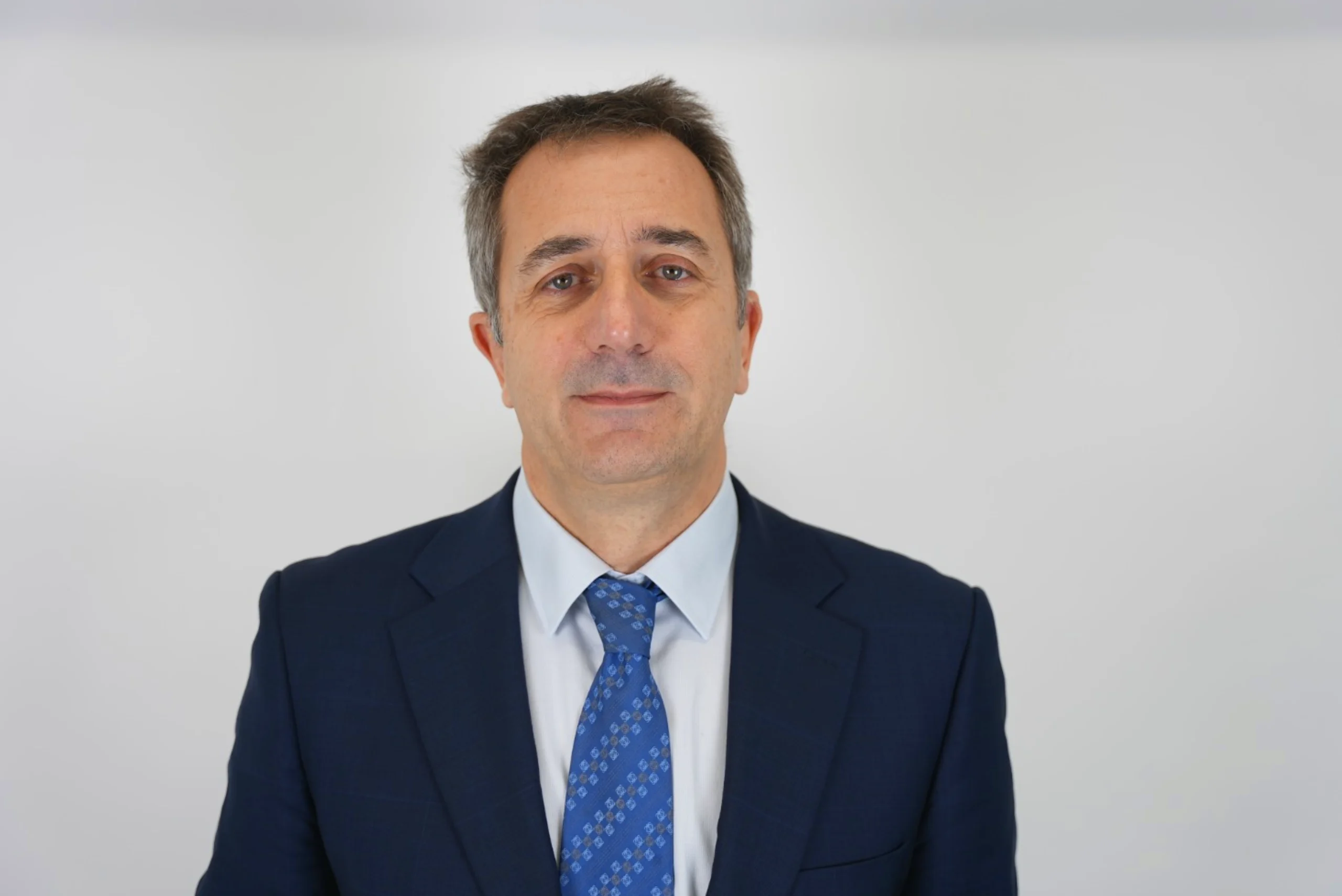
Oncological Surgeon
View doctor"Specialist in gynecological tumors and peritoneal carcinomatosis. A reference in complex and personalized oncological surgery."
Answers to the most common questions about diagnosis, treatment, and prognosis.
Yes, especially in low-grade cases with complete cytoreduction. Cure rates exceed 80% at 10 years in favorable cases.
Low-grade tumors (DPAM) have a much better prognosis than high-grade ones (PMCA). Grading is essential.
Cytoreductive surgery with HIPEC can last 8-12 hours depending on disease extension.
Hospitalization is usually 10-14 days and complete recovery 2-3 months.
Repeat surgeries are possible and can be effective in controlling the disease long-term.
In specialized centers with extensive experience in pseudomyxoma, like Quenet-Torrent Institute.
Complete the form and schedule your appointment to speak directly with the surgeon.