
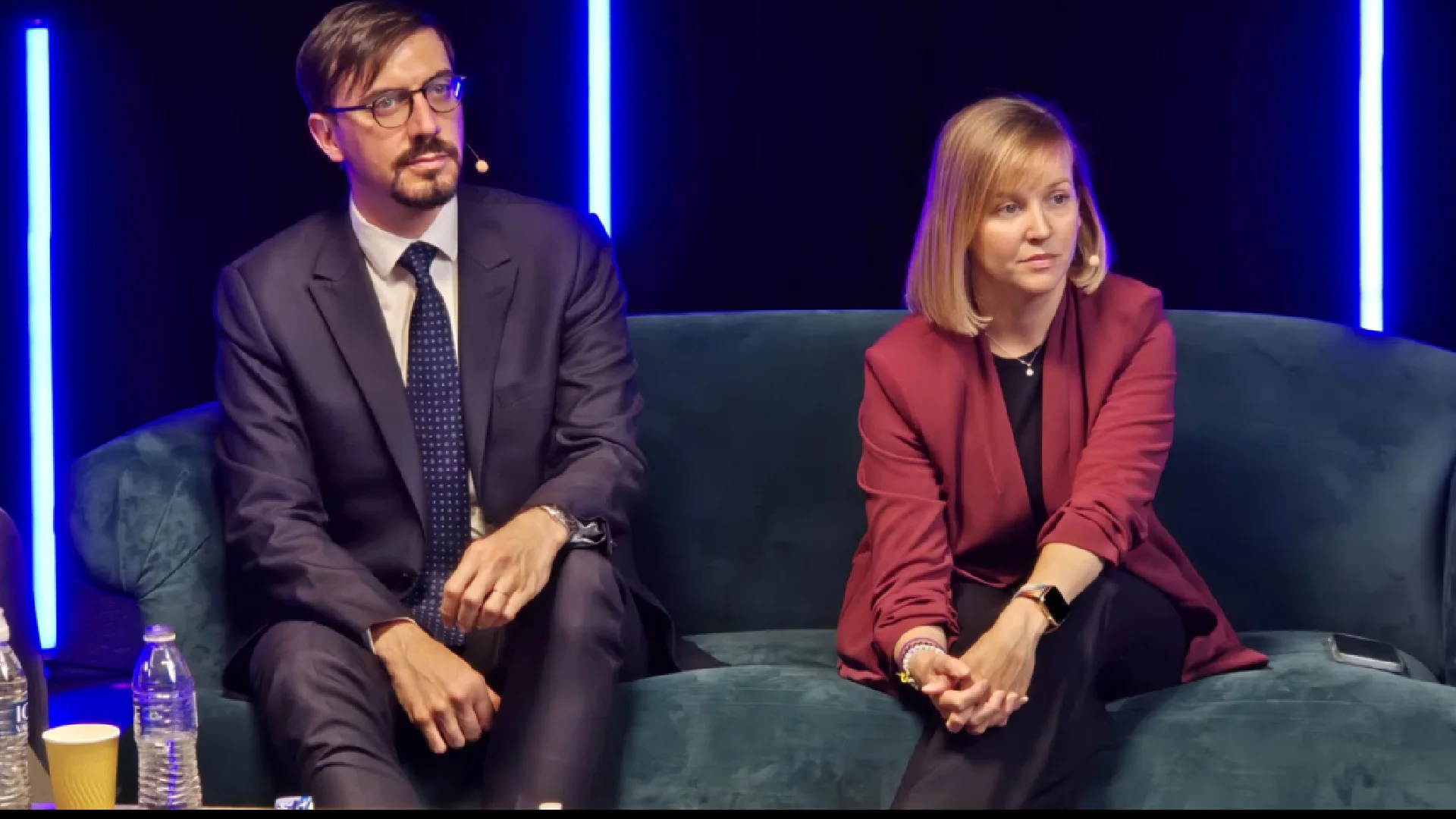
Dr. Patricia Tejedor, colorectal surgeon at the Quenet Torrent Institute, joined the studio expert panel of the 2nd Robotic Surgery On Air Global Event, an educational initiative that broadcasts live robotic surgery from operating rooms across the world, connecting international specialists for real-time discussion.
A unique experience in global surgical education
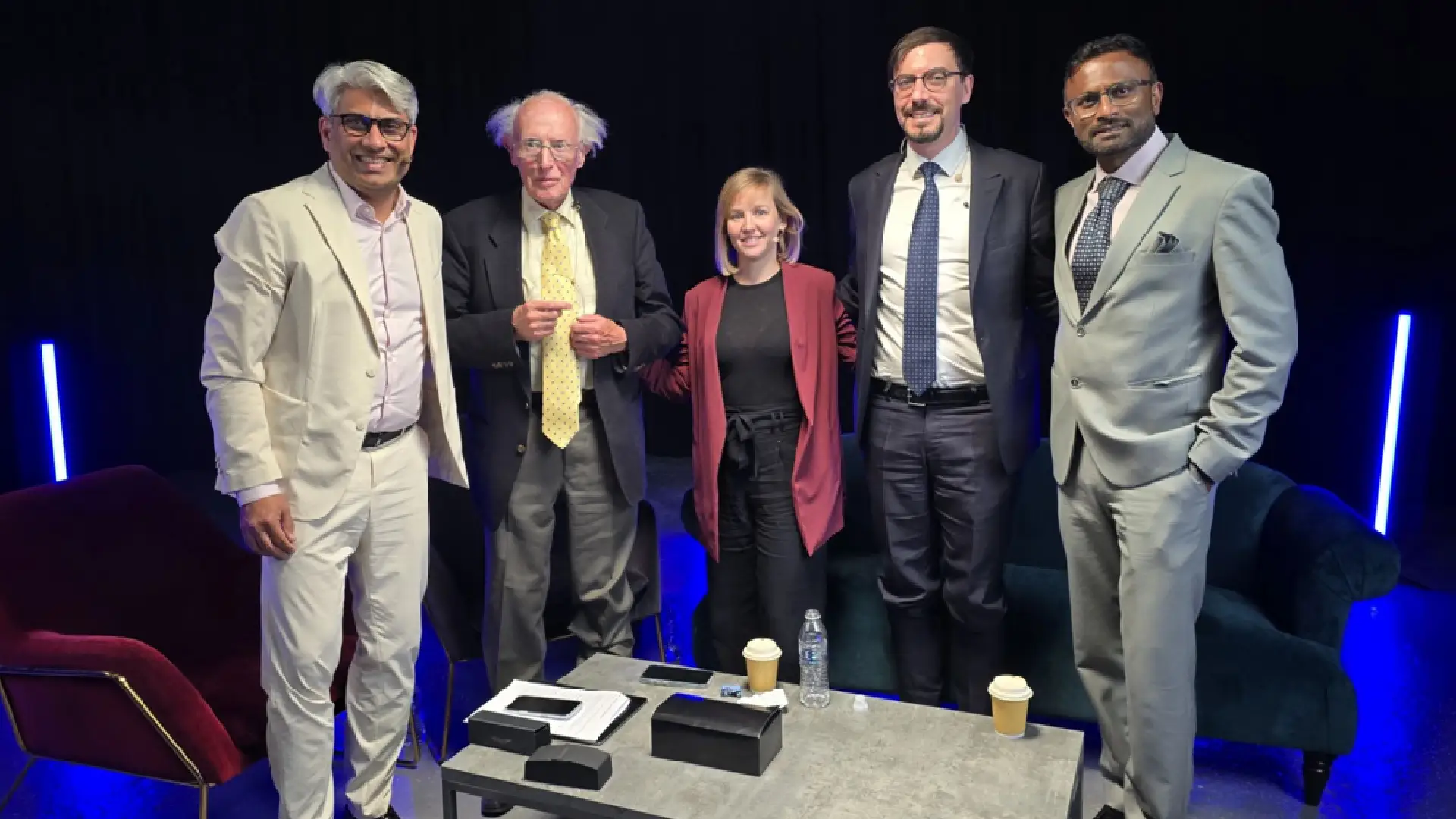
Participating in the 2nd Robotic Surgery On Air Global Event was an exceptional experience in robotic surgical education on a global scale. I had the privilege of being part of the studio expert panel alongside Professors Bill Heald, Jim Khan and Irshad Shaikh, providing live commentary and discussion on robotic procedures performed in real time.
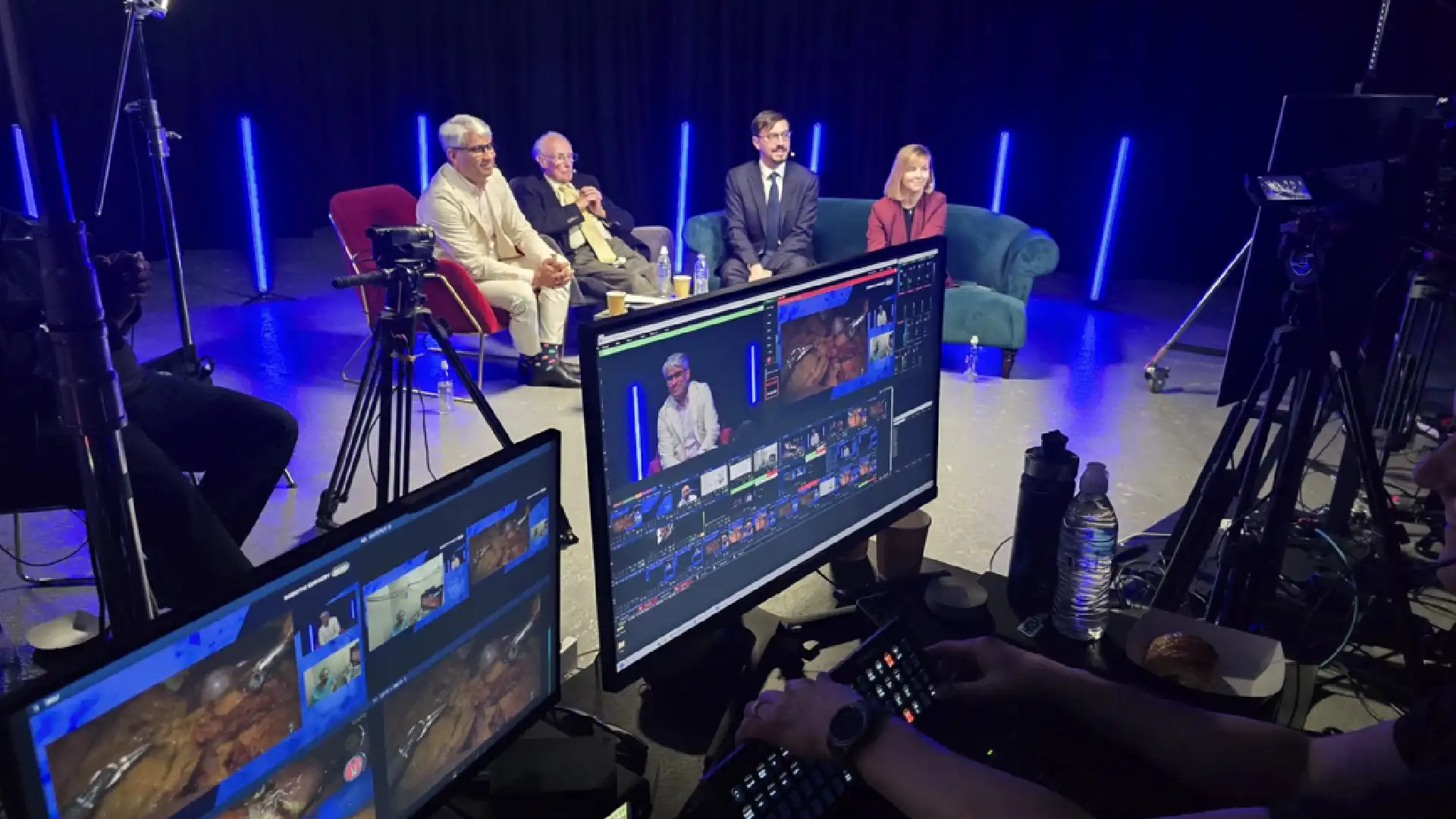
What made the event unique was the ability to connect surgeons worldwide through latest-generation robotic platforms, interactive case-based learning and immediate exchange between experts. A magnificent example of how global surgery continues to evolve beyond borders.
Operations broadcast live from 5 countries
During the day, complex robotic colorectal and oncological operations were broadcast live and in pre-recorded format from five countries, showing the technical diversity and quality of the participating teams:
- Sydney, Australia · Prof. Stephen Pillinger and Dr. Assad Zahid
- Kyoto, Japan · Dr. Yoshiro Itatani
- Porto, Portugal · Dr. Pedro Nuno Brandão
- London, UK · Dr. Paul I. Stanciu
- Portsmouth, UK · Dr. Mike Glaysher
- Baltimore, USA · Dr. Shawki Sherief
Scientific direction and demonstrators
The initiative was led by Prof. Jim Khan as Scientific Director of the programme, with a studio expert panel formed by Prof. Bill Heald (a world reference in colorectal surgery and the father of TME), Prof. Irshad Shaikh, Mr. Guglielmo Niccolò Piozzi and Dr. Patricia Tejedor.
Each procedure was accompanied by live multidisciplinary technical discussion: anatomy, planning, intraoperative complication management, critical decisions and selection of the optimal robotic technique. This interactivity turns the broadcast into a real educational tool, not just a demonstration.
The role of robotic surgery in digestive oncology
Events such as Robotic Surgery On Air consolidate robotic colorectal surgery as one of the techniques with the greatest prospects in digestive oncological surgery. Its advantages over open surgery and, in selected cases, over laparoscopic surgery include:
- High-definition 3D vision and magnification that improves dissection in fine anatomical planes.
- Instrument articulation with 7 degrees of freedom that makes it easier to work in the narrow pelvis (low rectal cancer surgery).
- Less intraoperative bleeding and shorter hospital stay, documented in recent meta-analyses.
- More stable learning curve after initial mastery, especially in robotic TME for rectal cancer.
- Better functional preservation (urinary and sexual function) in oncological pelvic dissection, especially in pelvic exenterations.
Commitment to international surgical education
Dr. Tejedor's participation in this forum reflects the ongoing commitment of Quenet Torrent Institute to excellent surgical training and the international exchange of knowledge. Beyond the personal benefit for each participating surgeon, these events raise global surgical standards and speed up the adoption of better practice in any centre in the world · a philosophy that also guides our colorectal cancer and advanced oncological surgery units.
Special thanks to technical partners Intuitive and Medtronic Robotic-Assisted Surgery, as well as DigiMed and the technical teams of the participating operating rooms, whose collaboration makes an uninterrupted global broadcast possible.
Further information
All sessions of the programme will be available on demand in the Robotic Surgery On Air video library: robotic-surgeryonair.com.