Confirm resectability
Determine whether a case considered unresectable can be operated on using advanced techniques.

At Quenet-Torrent Institute we treat liver metastases with advanced surgical strategies, combining resection, parenchyma-sparing techniques and multimodal treatments to offer the best chances of cure.
CONTACT SPECIALISTNeed to speak with a specialist?
Schedule your consultation with a specialist
Liver metastases are secondary tumours that form when cancer cells from other organs spread to the liver. The most common originate from colorectal cancer, but they can also arise from breast, lung, pancreatic, gastric and other tumours.
The liver is frequently affected due to its rich blood supply. However, unlike other organs, liver metastases can be treated with curative intent through surgery when they are confined to the liver.
Surgery for liver metastases can significantly increase survival, especially in those of colorectal origin, where long-term cure rates exceed 40%.
Seeking a second opinion can transform a case considered incurable into an operable one.
Determine whether a case considered unresectable can be operated on using advanced techniques.
Assess complex strategies such as two-stage surgery, ALPPS or portal embolisation.
Evaluate whether chemotherapy can convert an unresectable tumour into an operable one.
Consider ablation, stereotactic radiotherapy or other locoregional therapies.
Many patients considered inoperable may benefit from evaluation at a specialised centre.
Surgical treatment is the only option with curative potential for liver metastases.
Tumour resection while preserving the maximum amount of healthy liver tissue.
For bilobar tumours, allowing liver regeneration between procedures.
A technique that achieves rapid hepatic hypertrophy for initially unresectable cases.
Combining surgery with radiofrequency or microwave tumour destruction.
The strategy is designed individually according to the number, size and location of the metastases.
Precision technology is essential for optimising surgical outcomes.
Accurate calculation of the functional liver remnant after resection.
Detection of hidden lesions and guidance for resection.
Hypertrophy of the future liver remnant before surgery.
Tumour destruction complementary to resection.
Precise staging to rule out extrahepatic disease.
Quenet-Torrent Institute offers a comprehensive approach, with teams specialised in high-complexity hepatic surgery.
We specialise in the treatment of advanced and metastatic cancer, using complex and innovative techniques that other teams do not offer.
We build a team around you — surgeons, oncologists, radiologists, nutritionists and psychologists, all working together for your recovery.
We stay at the forefront of scientific advances, enabling us to apply innovative treatments with better outcomes.
Our facilities are equipped with the most advanced medical technology, allowing us to perform high-precision procedures with minimal impact on the body.
Every patient matters to us as a person. We listen, support and guide at every step of the journey.
Every doctor at Quenet-Torrent Institute is a recognised expert in their field, committed to the wellbeing of each patient.

Oncological Surgeon
View profile"Internationally renowned surgeon, expert in gastrointestinal and hepatobiliary tumours. Recognised for his precision in high-complexity surgery."
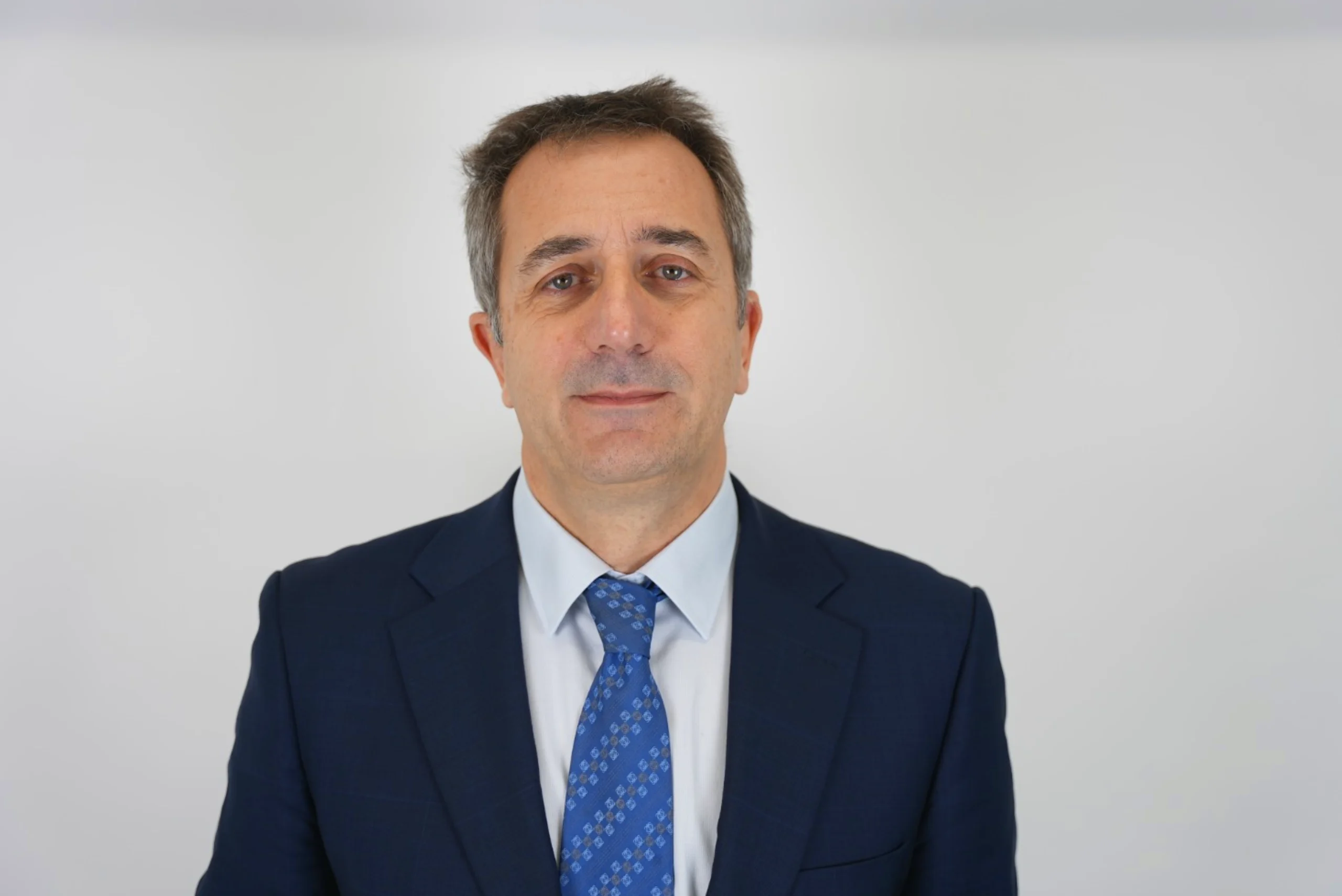
Oncological Surgeon
View profile"Specialist in gynaecological tumours and peritoneal carcinomatosis. A leading reference in complex and personalised oncological surgery."
The prognosis for liver metastases varies considerably depending on the primary tumour, the number and size of the lesions, and the possibility of surgical resection. Metastases of colorectal origin respond best to surgical treatment.
Complete surgical resection of liver metastases is the only treatment with curative intent and represents a radical difference in survival compared to medical treatment alone.
Patients with liver metastases treated with chemotherapy alone have a median survival of 18-30 months. The disease progresses without the possibility of cure in most cases.
Surgical resection of colorectal liver metastases can achieve 5-year survival rates above 40%. At specialised centres, with advanced techniques such as two-stage hepatectomy or combined ablation, these results improve further.
The number and size of metastases, the possibility of R0 resection (clear margins), the disease-free interval from the primary tumour, CEA levels and the response to neoadjuvant chemotherapy are the main factors determining prognosis.
Related article
Can You Live — and Even Be Cured — with Liver Metastases?
Survival, surgical options and the role of the multidisciplinary team. By Dr. Juan José Torrent.
Answers to the most common questions about diagnosis, treatment and prognosis.
Yes, in many cases. Surgery for colorectal liver metastases achieves 5-year survival rates above 40% Outcomes depend on histology, PCI score, and completeness of cytoreduction.
The number is less important than achieving a complete resection with sufficient functional liver remnant Thorough preoperative assessment is essential for correct patient selection.
Strategies such as two-stage surgery or ALPPS allow bilobar tumours to be treated Our team at Quenet Torrent Institute provides individualised assessment for each case.
In many cases, yes. Neoadjuvant chemotherapy can reduce the tumour and facilitate resection The regimen is adapted to tumour sensitivity and the patient general status.
Hospital stay is usually 5-10 days and full recovery takes 4-8 weeks, though this may vary depending on the extent of surgery performed El equipo valora cada caso.
Seek a second opinion at a specialised centre. Many "inoperable" cases can be treated with advanced techniques Our experienced team adapts the treatment approach to each clinical situation.
Ablation can be complementary or an alternative for small tumours or patients who are not candidates for resection Our experienced team adapts the treatment approach to each clinical situation.
Yes, but in many cases recurrences can also be operated on with good results Our team at Quenet Torrent Institute provides individualised assessment for each case.
At specialised centres with experience in oncological hepatic surgery, such as Quenet-Torrent Institute Chemotherapy complements surgery to optimise overall oncological control.
Complete the form and schedule your appointment to speak directly with the surgeon.