
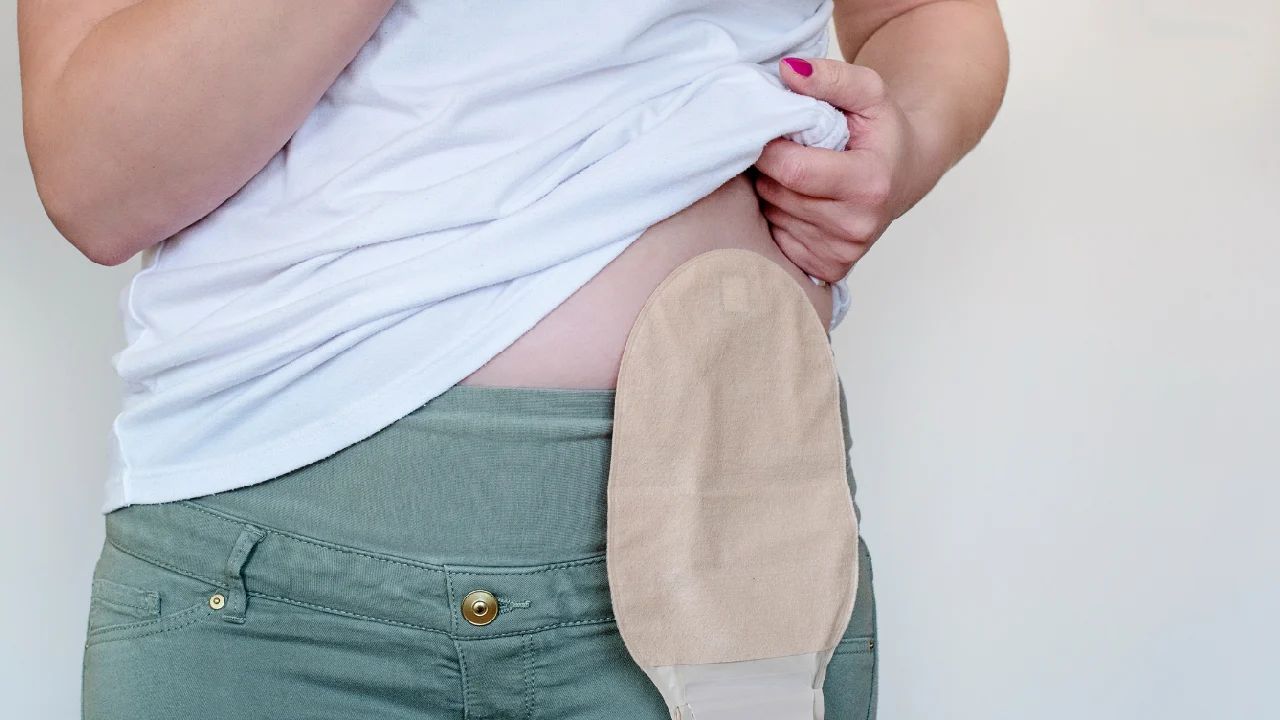
What Is an Ostomy?
An ostomy is a surgical procedure that creates an opening (stoma) in the abdominal wall to divert the flow of waste (faeces or urine) when the normal pathway is disrupted due to disease, injury or surgery. The stoma connects a portion of the intestine or urinary tract to the skin surface, where a pouching system collects the output.
Types of Ostomy
Colostomy: The colon is brought to the skin surface. Most commonly performed for rectal cancer, diverticular complications or bowel obstruction. Can be temporary or permanent. Ileostomy: The small intestine (ileum) is diverted. Used after total colectomy for inflammatory bowel disease, familial polyposis or rectal cancer. Output is liquid. Urostomy (ileal conduit): A segment of small intestine is used to divert urine after total cystectomy (removal of the bladder). Continuous urine output.
Daily Life with an Ostomy
Pouching systems: One-piece or two-piece systems are available. Pouches are odour-resistant and discreet under clothing. Diet: Most ostomy patients can eat a normal diet after recovery. Some foods affect output consistency or cause gas. Dietitian guidance helps. Physical activity: Most physical activities including swimming, gym and sport are possible with appropriate stoma care. Travel: Possible with planning. Carry extra supplies, prescription letter for airport security. Relationships and intimacy: Return to normal intimate life is possible. Stoma nurses provide counselling and practical advice.
Stoma Complications
Skin irritation around the stoma, hernia around the stoma (parastomal hernia), retraction or prolapse of the stoma, and stenosis (narrowing). Regular review by a specialist stoma nurse minimises these complications.
Temporary vs Permanent Ostomies
Many ostomies created for rectal cancer surgery are temporary (protecting a bowel anastomosis) and can be reversed after 3–6 months. Permanent ostomies may be unavoidable when the anal sphincter must be removed (abdominoperineal resection for very low rectal cancer).
Do you need surgery that may involve an ostomy? At Quenet Torrent Institute we work with experienced stoma nurses and provide comprehensive pre- and post-operative stoma education. Contact us.