

When a patient is diagnosed with liver metastases, one of the first questions is: can I survive this?
The answer today is clear, and it must be stated with confidence: yes, it is possible to live with liver metastases, and in selected cases, to be cured. Thanks to advances in surgical technique, interventional radiology, and multidisciplinary oncology care, a significant proportion of patients achieve prolonged survival. Some reach complete remission.
But this outcome depends heavily on one critical factor: being assessed and treated from the outset by a team with genuine expertise in hepatic oncology.
Factors That Influence Survival and the Possibility of Cure
Every patient is different, but what matters most is not just the disease itself, it is how treatment is approached from day one.
Relevant factors include:
● Type of primary tumour: colorectal, breast, neuroendocrine, and other primaries carry different prognoses
● Number and size of hepatic lesions
● Their location within the liver
● Whether curative-intent treatment is feasible, particularly surgery
● Response to systemic therapies (chemotherapy, targeted therapy, immunotherapy)
● The patient's overall condition
One point is especially important: many patients initially considered inoperable can become surgical candidates after appropriate treatment at a specialised centre. Early assessment by an expert team is therefore essential.
Liver Resection: The Gold Standard for Curative Treatment
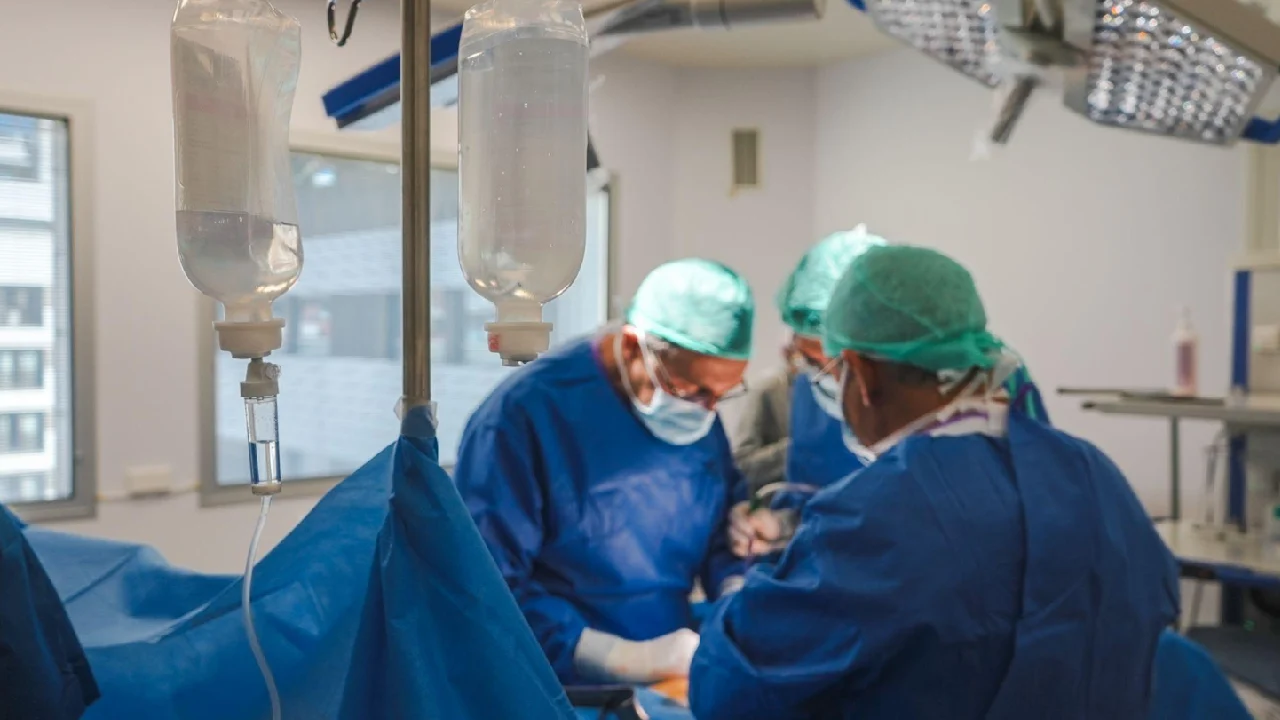
Hepatic resection, the surgical removal of tumour-bearing liver tissue, remains in many cases the principal option with curative intent for liver metastases.
The liver's remarkable regenerative capacity means that even complex resections can be performed safely when the surgical team has the right experience. The remaining liver regenerates in the weeks following surgery.
In well-selected patients, managed by experienced hepatobiliary surgeons:
very long-term survival is achievable
cure is a realistic goal, not an exception
This is why every patient with hepatic metastases should be evaluated by a specialist liver surgeon before resection is ruled out. The decision should never be made by default or by a non-specialist team.
Interventional Radiology: Expanding the Boundaries of Treatment
Minimally invasive radiological techniques, including radiofrequency ablation (RFA), microwave ablation (MWA), and transarterial chemoembolisation (TACE), are now a cornerstone of modern hepatic oncology.
These approaches are not simply a fallback when surgery is impossible. In expert hands, they serve three distinct roles:
1. Converting inoperable patients into surgical candidates by reducing or eliminating lesions prior to resection
2. Complementing surgery to achieve complete disease clearance
3. Maintaining long-term disease control in patients with ongoing or recurrent disease
Combining interventional radiology with surgery, coordinated within a multidisciplinary team, is precisely what distinguishes high-volume specialist centres from standard oncology units.
Robotic Surgery and Advanced Techniques
The integration of robotic platforms into hepatic surgery has expanded what is technically possible. Complex resections that would previously have required large open incisions can now be performed with minimally invasive precision.
For patients, this translates to:
● less surgical trauma and reduced intraoperative blood loss
● faster recovery and earlier return to systemic treatment if needed
● access to complex cases that would otherwise be declined elsewhere
It is worth repeating, however: the technology alone is not what determines outcomes. The experience and judgement of the surgical team remain the decisive factor.
Quality of Life: An Essential Treatment Goal
Prolonging life is not the only objective. In modern hepatic oncology, maintaining or improving quality of life throughout treatment is equally central to care.
Many patients with liver metastases can continue working, travelling, and engaging in normal daily life during and after treatment. The goal is not merely survival, but living well.
Treatment plans developed by multidisciplinary teams are designed with this dual aim: to maximise the chance of long-term survival and to preserve the patient's wellbeing at every stage.
The Most Critical Factor: A Multidisciplinary Expert Team
If there is one element that most consistently determines outcomes in patients with hepatic metastases, it is this: being assessed by a specialist multidisciplinary team with proven experience in liver metastases.
This team typically includes:
● specialised hepatic surgeons with high-volume experience in complex resections
● medical oncologists expert in systemic therapies for hepatic disease
● interventional radiologists capable of performing ablative and embolisation procedures
The correct sequencing and combination of these treatments, knowing when to operate, when to ablate, when to treat systemically first, is what converts complex cases into potentially curable ones. This expertise cannot be replicated by a general oncology department seeing only a handful of hepatic metastasis cases per month.
Conclusion
Liver metastases are not synonymous with a hopeless prognosis. The evidence today is clear:
many patients can live for years with controlled hepatic disease
a significant proportion can achieve cure, particularly through surgery
initially inoperable patients can become operable with the right expert management
But this potential is only realised when the patient is treated at a centre with the necessary experience, from the very first consultation.
The most important decision is not just which treatment to pursue, but where and with whom to be treated.
Has a liver metastasis diagnosis reached you or a family member? At Quenet Torrent Institute, our hepatobiliary oncology team will evaluate your case and present all available options, including those that may not yet have been considered. Request a specialist assessment today.