
Why do cancer treatments affect the skin?
Cancer treatments such as chemotherapy, radiotherapy and targeted therapies act on tumour cells, but they can also affect healthy cells that divide quickly, such as those of the skin, hair and nails.
Chemotherapy can cause extreme dryness, peeling, skin rashes, changes in pigmentation, increased sensitivity and greater susceptibility to skin infections. Radiotherapy, for its part, causes local reactions in the treated area, ranging from mild redness to moist desquamation in more severe cases.
Targeted therapies and immune checkpoint inhibitors can cause specific skin effects such as acne-like rashes, xerosis (very dry skin), painful cracks on the hands and feet, and changes in hair and nail growth.
Knowing how to prevent and treat these side effects helps maintain quality of life during cancer treatment and avoid complications that could make it necessary to reduce doses or temporarily stop therapy.
Hydration: the basis of skin care
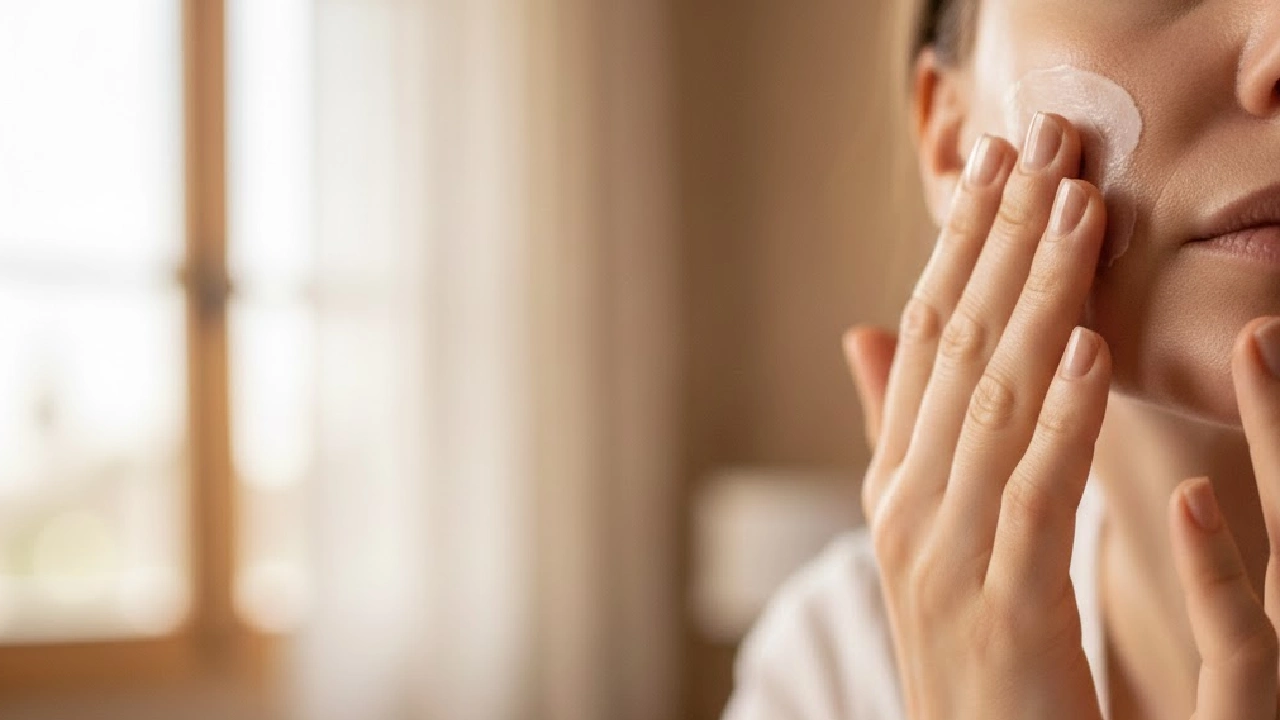
Proper hydration is the most important part of skin care during cancer treatment. The skin tends to become extremely dry, tight, scaly and prone to peeling, which can cause significant discomfort and increase the risk of infection.
Recommendations for hydration:
• Intensive emollient creams: Apply lipid-rich moisturising creams specifically formulated for sensitive or atopic skin at least 2-3 times a day. Look for products that contain ceramides, hyaluronic acid, glycerin, 5-10% urea or shea butter.
• When to apply: The best time to moisturise is straight after a shower or bath, on skin that is still damp, to seal in moisture. Apply generously all over the body, paying special attention to drier areas such as elbows, knees, hands and feet.
• Fragrance-free and alcohol-free products: Avoid creams with perfume, alcohol, parabens or harsh preservatives, which can further irritate skin made sensitive by treatment. Choose hypoallergenic, dermatologically tested formulations.
• Hydration from within: Drink plenty of water (at least 2 litres a day) to stay hydrated from the inside. A diet rich in omega-3 fatty acids (oily fish, walnuts, flaxseed) also helps keep the skin barrier healthy.
• Room humidifier: If you live in a dry environment or with heating/air conditioning, consider using a humidifier in your bedroom to keep humidity between 40-60%, which helps prevent the skin from drying out.
Sun protection: essential during treatment
During cancer treatment, the skin becomes very sensitive to ultraviolet radiation, which increases the risk of severe sunburn, pigment spots and cumulative cell damage.
Sun protection measures:
• Broad-spectrum SPF 50+ sunscreen: Apply daily, even on cloudy days or if you will be mostly indoors, as UV rays pass through clouds and windows. Choose formulations specifically for sensitive skin, ideally with physical filters (zinc oxide, titanium dioxide) rather than chemical ones.
• Generous and frequent application: Apply at least 2 mg/cm² of skin (about a tablespoon for the face and neck) 20-30 minutes before sun exposure. Reapply every 2 hours and always after sweating or getting wet, even if the product is water-resistant.
• Avoid exposure at peak hours: Limit direct sun exposure between 10:00 and 16:00, when UV radiation is most intense. If you have to go out, always look for shade and use additional physical protection.
• Protective clothing: Wear wide-brimmed hats (at least 7-10 cm), sunglasses with UV400 protection, and long-sleeved tops and long trousers, preferably made of fabrics with an ultraviolet protection factor (UPF 50+).
• Special care for irradiated areas: If you are having radiotherapy, the treated area will be especially sensitive to light for months after treatment. Keep these areas fully protected from the sun for at least a year after radiotherapy.
Gentle cleansing: less is more
During cancer treatment, the skin's natural protective barrier is compromised, so it is best to use very gentle cleansing products that do not make irritation worse or strip away the skin's natural protective lipids.
Tips for daily hygiene:
• Soap-free syndet cleansers: Use gels or syndets (synthetic detergents) with a pH close to the skin's natural pH (5.5), not traditional soap, which tends to be alkaline and drying. Look for products specifically for atopic or sensitive skin.
• Short showers with lukewarm water: Limit showers to 5-10 minutes with lukewarm (never hot) water, as very hot water and long showers remove the skin's natural oils and make dryness worse. Avoid long baths.
• Pat dry: After showering, pat the skin dry gently with a soft cotton towel, without rubbing hard. Leave the skin slightly damp so you can apply moisturiser straight away.
• Avoid exfoliants and sponges: Do not use rough sponges, exfoliating gloves, grainy scrubs or body brushes that could damage sensitised skin. Use soft konjac or similar sponges only if your skin tolerates them well.
• Special care in radiotherapy areas: On areas receiving radiotherapy, use only lukewarm water and avoid soaps or shower gels during the weeks of treatment and for 2-3 weeks afterwards, unless your radiation oncologist specifically tells you otherwise.
Managing specific side effects
Rashes and redness: If rashes, redness or intense itching appear, check with your oncologist before applying any product. They may prescribe mild topical corticosteroids or oral antihistamines, or adjust the cancer treatment if necessary.
Hand-foot syndrome: This side effect of some chemotherapies causes redness, swelling, tingling and peeling on the palms and soles. Use creams with 20-30% urea, wear cotton gloves and socks at night, and avoid excessive pressure or friction on the hands and feet.
Nail changes: Nails can become brittle, ridged or darker, or come loose. Keep them short and filed, wear gloves for housework, avoid harsh manicures and see your doctor if signs of infection appear (redness, pain, pus).
Reactions in the radiotherapy area: Irradiated skin can progress from mild erythema to moist desquamation. Follow your radiotherapy team's instructions on permitted products strictly. Calendula cream, pure aloe vera or specific post-radiotherapy products are generally recommended.
Hyperpigmentation: Some chemotherapies cause darkening of the skin, especially in skin folds, nails or along the infusion veins. It is usually reversible months after treatment ends. Strict sun protection helps minimise it.
Recommended products and products to avoid
Safe, recommended products:
• Moisturising creams: CeraVe, La Roche-Posay Lipikar, Eucerin UreaRepair, Bioderma Atoderm
• Sunscreens: La Roche-Posay Anthelios, Isdin FotoUltra, Avène SPF 50+
• Cleansers: Cetaphil, Sebamed, Mustela Stelatopia
• For radiotherapy areas: Bepanthol, Biafine, pure aloe vera gel
Products to avoid during treatment:
• Perfumes, colognes and deodorants containing alcohol
• Products with retinoids, glycolic acid, salicylic acid or high concentrations of vitamin C
• Harsh mechanical or chemical exfoliants
• Waxing, laser hair removal or depilatory creams (an electric razor used carefully is preferable)
• Self-tanners, heavy-coverage make-up that is not hypoallergenic
When to contact the medical team
Contact your oncologist or dermatologist immediately if you have:
• Signs of skin infection: spreading redness, local heat, severe pain, pus, fever
• Severe reactions: extensive blisters, widespread moist desquamation, uncontrollable pain
• Ulcers or wounds that do not heal within 1-2 weeks
• Worrying changes in moles: rapid growth, irregular borders, changes in colour
• A rash that gets worse despite appropriate topical treatment
Do not play down any skin symptom during cancer treatment. Some severe skin reactions may require a dose adjustment or a change of therapy, and the sooner they are detected, the easier they are to treat.
Emotional support: skin and self-esteem
Changes in the skin, hair loss and changes in physical appearance can significantly affect self-esteem and emotional well-being during cancer treatment.
It is normal to be affected by these changes. At Quenet Torrent Institute we have a psycho-oncology service and oncology image advice that can help you manage these emotional aspects and offer practical strategies to feel better about your appearance during treatment.
Remember that most skin side effects are temporary and reversible. The skin, hair and nails recover gradually in the weeks and months after treatment ends.
Do you need personalised advice? If you have questions about caring for your skin during cancer treatment or are experiencing worrying side effects, consult our team.