
Why Skin Care Matters During Cancer Treatment
Chemotherapy and radiotherapy can cause significant skin changes. These range from mild dryness and sensitivity to severe reactions requiring medical management. Proactive skin care throughout treatment prevents complications, improves comfort and helps patients maintain quality of life.
Common Skin Side Effects
Dry skin (xerosis): Very common with many chemotherapy regimens. Skin becomes thin, fragile and prone to cracking. Hand-foot syndrome (palmar-plantar erythrodysaesthesia): Associated with capecitabine and sorafenib. Causes redness, swelling, pain and blisters on palms and soles. Radiation dermatitis: Progresses from erythema to dry and moist desquamation in the irradiated field. Nail changes: Discolouration, brittleness, onycholysis. Hair changes: Alopecia with certain agents, hirsutism with others. EGFR inhibitor rash: Acneiform eruption on face and trunk, associated with erlotinib, cetuximab.
General Skin Care Guidelines
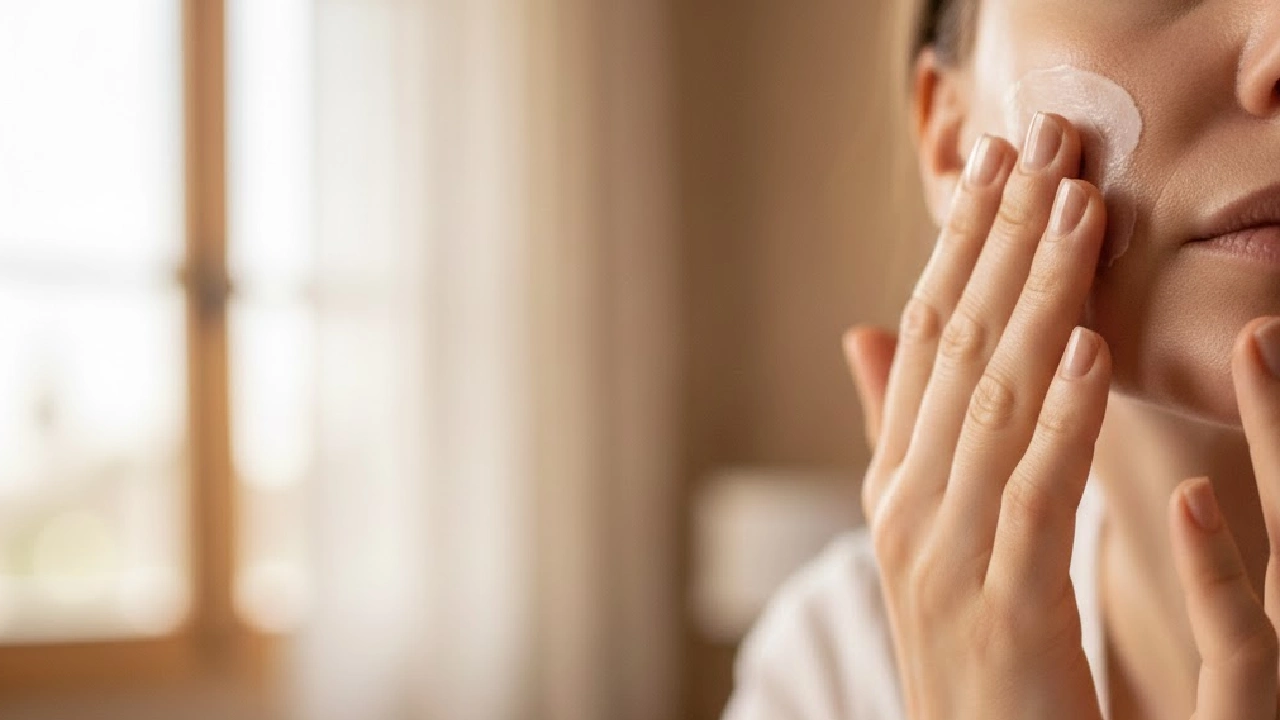
Moisturise twice daily: Use fragrance-free, alcohol-free emollients. Apply to damp skin after bathing. Gentle cleansing: Lukewarm water, mild pH-neutral soap. Avoid hot water. Sun protection: SPF 30+ sunscreen daily, UV-protective clothing, hat. Avoid irritants: No tight clothing, rough fabrics or adhesive tapes. Nail care: Keep nails trimmed, avoid manicures during treatment, wear gloves for gardening and cleaning.
When to Seek Medical Advice
Contact your oncology team if you experience: severe redness, blistering or peeling; open sores or skin breakdown; signs of infection (warmth, pus, fever); severe pain; or if skin reactions are affecting daily activities. Dose modifications or supportive medications may be needed.
Questions about managing side effects of oncological treatment? Our team at Quenet Torrent Institute provides comprehensive support throughout the treatment journey. Contact us.