
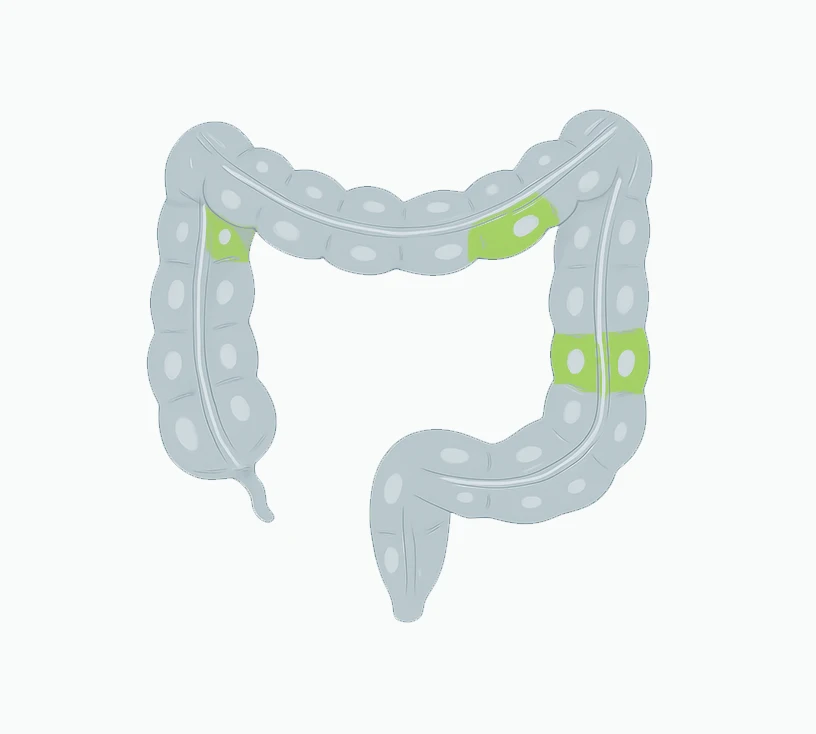
Colorectal Cancer: Current Knowledge
Colorectal cancer (CRC) is the second most common cancer by incidence worldwide and the second leading cause of cancer death. Despite advances in treatment, our understanding of its molecular biology, risk factors and optimal management continues to evolve rapidly.
Molecular Subtypes
The consensus molecular subtypes (CMS) of colorectal cancer — CMS1 (immune), CMS2 (canonical), CMS3 (metabolic) and CMS4 (mesenchymal) — have distinct prognoses and therapeutic implications. Microsatellite instability (MSI): Found in 15% of CRC, associated with better prognosis and excellent response to immunotherapy. RAS/RAF mutations: Present in 50–70% of CRC, predictive of non-response to EGFR-targeted therapies.
Advances in Surgery
Robotic and laparoscopic surgery are now standard for most colon cancers, reducing complications and hospital stay. Total mesorectal excision (TME) has transformed rectal cancer surgery, dramatically reducing local recurrence. Transanal minimally invasive surgery (TAMIS) allows local excision of selected rectal tumours. Complete mesocolic excision (CME) with central vascular ligation improves oncological outcomes in colon cancer.
Systemic Treatment Advances
First-line metastatic CRC treatment now combines doublet or triplet chemotherapy (FOLFOX, FOLFIRI, FOLFOXIRI) with targeted agents (bevacizumab for RAS-mutated, cetuximab/panitumumab for RAS wild-type). Immunotherapy (pembrolizumab) is first-line for MSI-high metastatic CRC. BRAF-mutated CRC now has targeted treatment combinations (encorafenib + cetuximab).
Need an expert opinion on colorectal cancer? At Quenet Torrent Institute we integrate the latest evidence into personalised treatment plans. Request a consultation.