
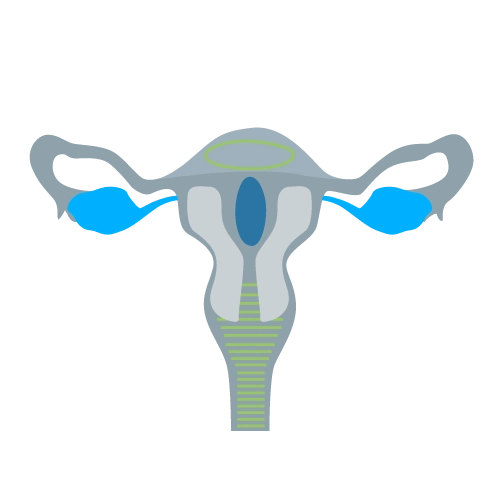
What Is Ovarian Cancer?
Ovarian cancer is the most lethal gynaecological malignancy, with over 3,500 new cases annually in Spain. It is called the silent cancer because it rarely causes symptoms in early stages, leading to diagnosis when the disease has already spread.
Types of Ovarian Cancer
Epithelial ovarian cancer (90%): Arises from the surface epithelium. Subtypes include high-grade serous (most common), endometrioid, clear cell and mucinous. Germ cell tumours: Rarer, more common in young women, generally better prognosis. Sex cord-stromal tumours: Arise from supporting cells of the ovary.
Symptoms
Bloating or abdominal distension. Pelvic or abdominal pain. Difficulty eating or feeling full quickly. Frequent urination. Changes in bowel habits. Fatigue. Unexplained weight loss or gain. These symptoms are often attributed to other conditions, delaying diagnosis.
Diagnosis and Staging
Transvaginal ultrasound: First-line imaging for pelvic masses. CA-125 tumour marker: Elevated in most ovarian cancers, though not specific. CT/MRI/PET scan: Essential for staging and surgical planning. Staging follows FIGO classification from I (confined to ovary) to IV (distant metastasis). About 75% of cases are diagnosed at stage III or IV.
Treatment
Surgery: Primary cytoreductive surgery aiming for complete or near-complete tumour removal. This includes total hysterectomy, bilateral salpingo-oophorectomy, omentectomy and lymphadenectomy. HIPEC: Hyperthermic intraperitoneal chemotherapy combined with cytoreductive surgery improves survival in selected patients with peritoneal metastasis. Systemic chemotherapy: Platinum-taxane combination (carboplatin-paclitaxel) is standard. PARP inhibitors: Maintenance therapy for patients with BRCA mutations.
Do you need specialist care for ovarian cancer? At Quenet Torrent Institute we are international experts in cytoreductive surgery and HIPEC for ovarian cancer. Request a consultation with our team.