Confirm histological subtype
Confirm whether you have epithelioid, sarcomatoid, or biphasic mesothelioma — the critical factor for treatment eligibility.

At Quenet-Torrent Institute, we specialize in surgical treatment of peritoneal mesothelioma with complete cytoreduction and HIPEC. In selected patients with epithelioid subtype, this approach offers 5-year survival of 50-70%.
CONTACT SPECIALISTNeed to speak with a specialist?
Schedule your consultation with a specialist
Peritoneal mesothelioma is a rare malignant tumor originating from the mesothelial cells that line the peritoneal cavity. It differs from pleural mesothelioma (lung lining) in location, behavior, and prognosis.
There are three main histological subtypes: epithelioid (most common, ~70%, best prognosis), sarcomatoid (worst prognosis), and biphasic (mixed, intermediate prognosis). Subtype is the main determinant of treatment strategy.
While asbestos exposure is a recognized risk factor, 30-50% of cases have no identified cause. BAP1 gene mutations are present in a significant proportion.
In epithelioid cases selected for surgery, cytoreductive surgery with HIPEC achieves median survival of 50-90 months — a dramatic improvement over the approximately 12 months seen without specific surgical treatment.
This rare tumor requires evaluation by centers with documented experience in this specific condition.
Confirm whether you have epithelioid, sarcomatoid, or biphasic mesothelioma — the critical factor for treatment eligibility.
Assess whether complete cytoreduction is technically and oncologically feasible.
Identify genetic mutations that may influence prognosis and treatment selection.
Evaluate how immunotherapy (nivolumab + ipilimumab) can be integrated into the overall treatment strategy.
In rare tumors like peritoneal mesothelioma, treatment at a specialized center with documented experience is essential.
Treatment depends critically on histological subtype and is planned in a multidisciplinary committee.
For epithelioid cases: removal of all visible tumor implants and affected peritoneal surfaces.
Hyperthermic intraperitoneal chemotherapy immediately after cytoreduction to treat microscopic residual disease.
Nivolumab + ipilimumab for unresectable cases or as perioperative treatment in selected candidates.
Pemetrexed-based regimens for advanced or unresectable disease.
All cases are discussed in a specialized multidisciplinary tumor board to individualize the optimal treatment sequence.
Specialized diagnostic and surgical technology ensures the best possible outcomes in this rare disease.
Precise thermal and flow control during cisplatin/mitomycin C perfusion.
Detailed preoperative staging to evaluate disease extent and guide surgical planning.
BAP1, NF2, and other relevant molecular markers to guide prognosis and treatment decisions.
Specialist pathologists with experience in this rare tumor for accurate subtype classification.
Quenet-Torrent Institute has extensive experience in this rare tumor and is one of the leading centers in Spain for peritoneal mesothelioma treatment.
We specialize in treating advanced and metastatic cancer, using innovative techniques that other teams do not offer.
We form a team around you with surgeons, oncologists, radiologists, nutritionists, and psychologists, all working together for your cure.
We stay up to date with the latest scientific advances, allowing us to apply innovative treatments with better results.
We have facilities equipped with the most current medical technology, allowing us to perform high-precision procedures with less impact on the body.
We care about each patient as a person. We listen, support, and guide every step of the way.
Every physician at Quenet-Torrent Institute is a recognized expert in their field, committed to each patient's well-being.

Oncological Surgeon
View doctor"Internationally renowned surgeon, expert in gastrointestinal and hepatobiliary tumors. Recognized for his precision in highly difficult surgeries."
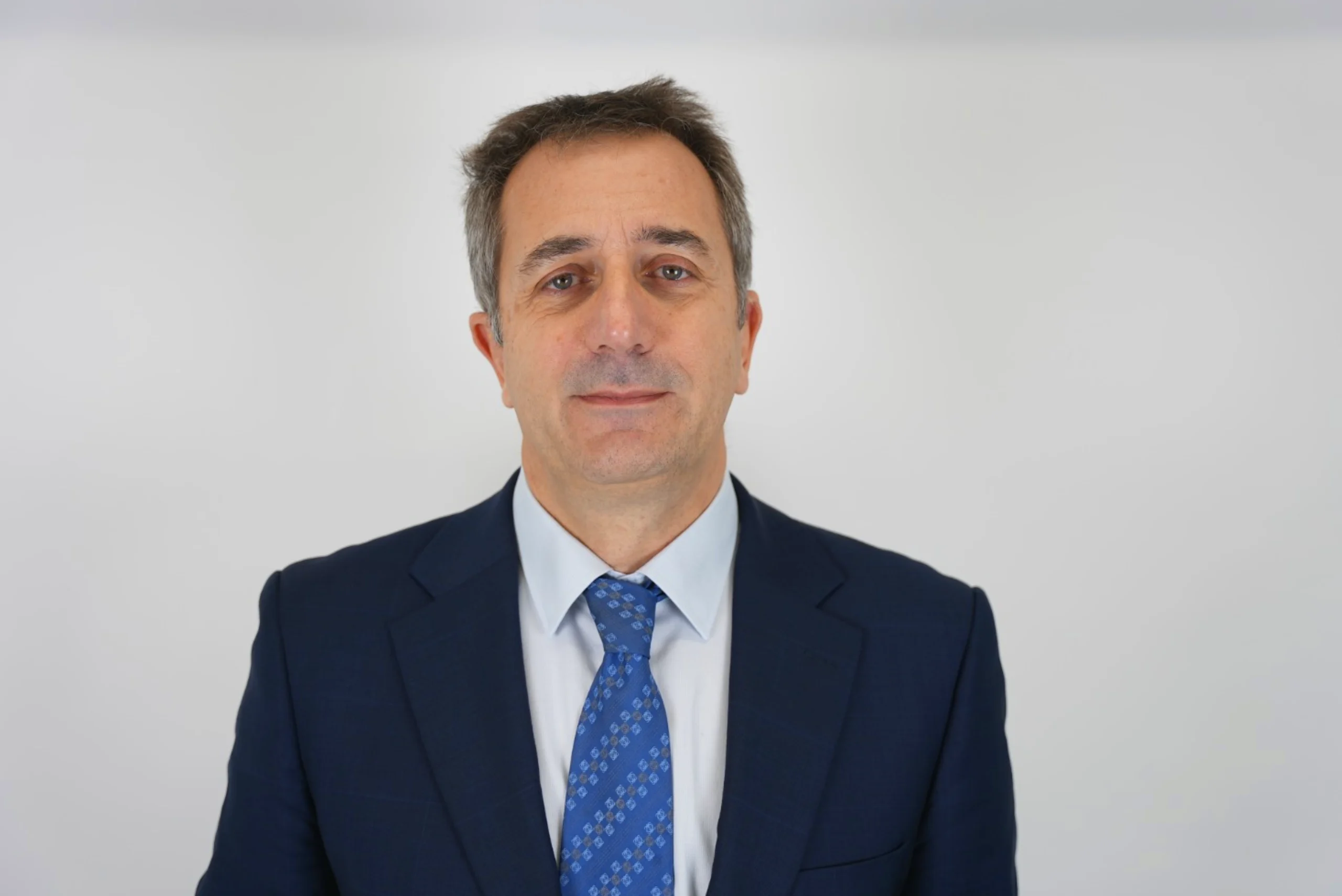
Oncological Surgeon
View doctor"Specialist in gynecological tumors and peritoneal carcinomatosis. A reference in complex and personalized oncological surgery."
Answers to the most common questions about diagnosis, treatment, and prognosis.
No. Both originate from mesothelial cells, but in different locations. Peritoneal mesothelioma has a better prognosis thanks to the possibility of surgical treatment.
No. Although asbestos is a known risk factor, 30-50% of cases have no documented exposure. BAP1 genetic mutations and other factors are involved in a significant.
With CRS + HIPEC in epithelioid mesothelioma: median survival 50-90 months and 5-year survival 50-70%. Without specific surgical treatment: median survival approximately.
Epithelioid (best prognosis, ~70%), sarcomatoid (worst prognosis, surgery not recommended), and biphasic (intermediate). Subtype is the most critical factor in treatment.
Nivolumab + ipilimumab is now first-line treatment for unresectable mesothelioma. Integration with surgery in resectable cases is being studied in clinical trials.
In specialized centers with experience in peritoneal mesothelioma, like Quenet-Torrent Institute, one of the leading centers for this condition in Spain.
Complete the form and schedule your appointment to speak directly with the surgeon.