

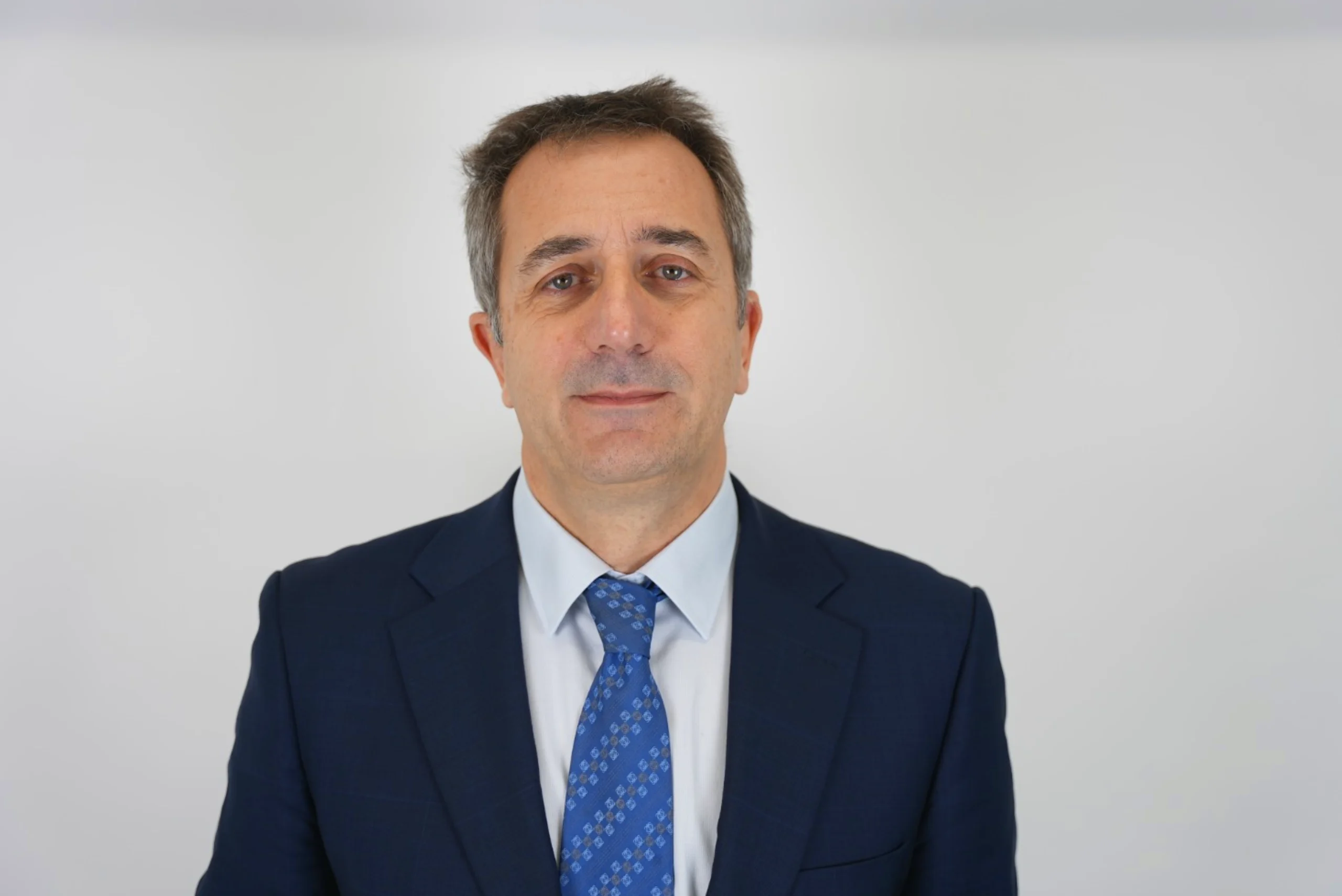
Yes, you can live with ovarian cancer, and surgery is the factor that most influences survival. A diagnosis raises many questions about risks, recovery and what to expect. Below, Dr. Juan José Torrent, oncological surgeon at Quenet Torrent Institute, answers the most frequently asked questions from our patients.
Does ovarian cancer surgery carry risks?
Like any major surgery, it carries risks, especially in complex procedures. However:
- In specialised centres, complications are less frequent.
- The survival benefit usually far outweighs the risks.
- The experience of the surgical team is key to minimising them.
How long is recovery after surgery?
It depends on the type of procedure:
- Less extensive surgery: 2 to 4 weeks.
- Advanced surgery: 4 to 8 weeks or more, although hospitalisation is usually around 10 days.
Full recovery is progressive and takes place with continuous medical follow-up.
Is surgery always necessary for ovarian cancer?
In most cases, yes. Surgery is the primary treatment, both in early and advanced stages. In some specific cases, chemotherapy may be started before operating. This is called interval debulking surgery.
Can you live many years after ovarian cancer surgery?
Yes. Many patients live for years after treatment, especially when:
- Cancer is detected at an early stage.
- Complete tumour removal is achieved.
- A full treatment plan with appropriate follow-up is carried out.
Does ovarian cancer surgery affect fertility?
It depends on the type of surgery:
- In selected early-stage cases, one ovary may be preserved.
- In other cases, it is necessary to remove both ovaries and the uterus.
It is important to assess each case individually with a specialist before the procedure.
What is the difference between surgery at a specialised centre versus a general hospital?
Centres specialised in gynaecological oncological surgery typically offer:
- Greater experience in complex surgeries.
- Higher rates of complete cytoreduction.
- Better survival outcomes.
This can directly influence the patient's prognosis.
When should I seek a second surgical opinion?
A second opinion is recommended:
- At the time of a new diagnosis.
- When complex surgery has been proposed.
- When there are doubts about the proposed treatment.
- In the event of cancer recurrence.
A second opinion can help you make more informed decisions. At Quenet Torrent Institute we offer a no-commitment assessment for patients diagnosed with ovarian cancer.
Does surgery completely eliminate ovarian cancer?
In some cases, yes, especially in early stages. In advanced stages, the goal is to surgically remove as much tumour as possible and complement treatment with chemotherapy and targeted therapies. The ultimate aim is to maximise disease control and improve long-term outcomes.
Diagnosed with ovarian cancer? The Quenet Torrent Institute team specialises in ovarian cancer surgery and HIPEC. Request an assessment.
Request consultation