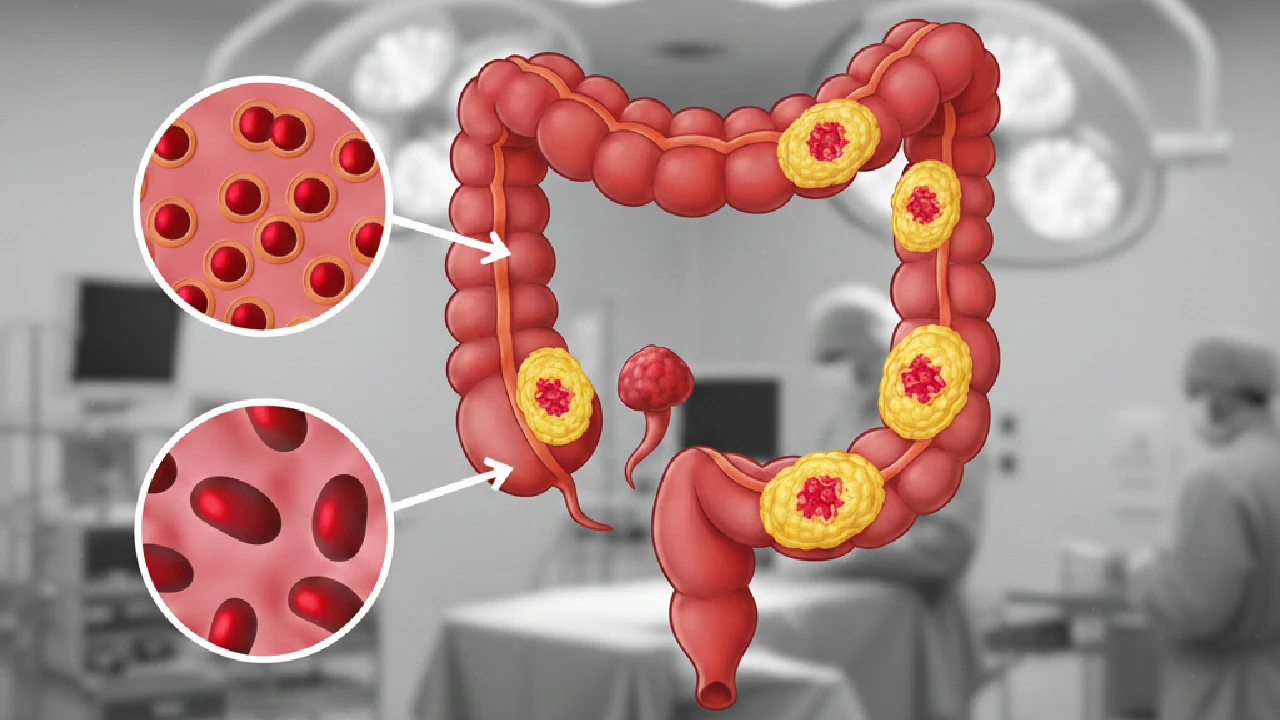
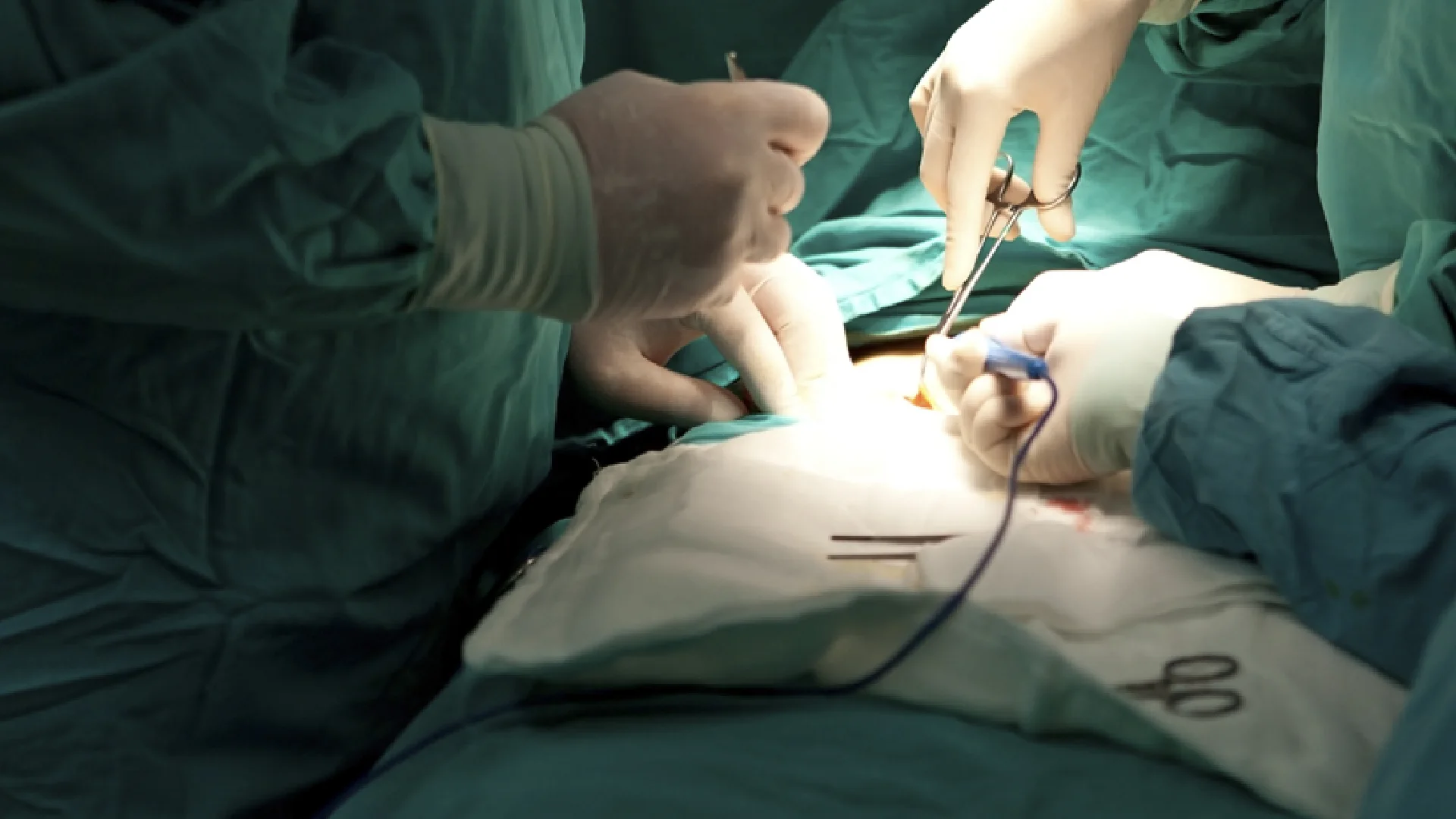
Robotic colorectal surgery in Barcelona: 5th generation Da Vinci and Watch & Wait
You have been told you need a permanent colostomy, or you do not know whether you are a candidate for Watch & Wait. Dr. Tejedor and Prof. García Aguilar review your case in 48 h.
Watch & Wait protocol of Prof. García Aguilar (MSKCC)
48 h
medical committee response
ESCP
Dr. Tejedor, member of the ESCP Committee
Is this your situation?
Patients who ask for a second opinion on robotic colorectal surgery
You have been told you need a permanent colostomy
The tumour is in the low rectum and another team has told you the only option is an abdominoperineal resection with a permanent colostomy. You want to know whether robotic surgery can preserve the sphincter.
Good response to chemoradiotherapy or TNT
You have responded well to neoadjuvant treatment and want to know whether you are a candidate for Watch & Wait or whether robotic surgery is the best option in your case.
Low rectal cancer without a robotic assessment
Your case has been evaluated at a centre without Da Vinci or without specific experience in high-complexity robotic pelvic surgery.
Colon cancer with comorbidities
You have factors that make a minimally invasive approach, with less bleeding and faster recovery, the better choice.
Local recurrence of rectal cancer
You have had a local relapse and want a team with experience in robotic surgery to assess whether surgery is possible.
Doubts about where to have surgery
You have been offered robotic surgery but want to confirm that the team has experience in colorectal surgery with Da Vinci.
How we approach your case
Robotic colorectal surgery with Da Vinci: the technique and how we use it
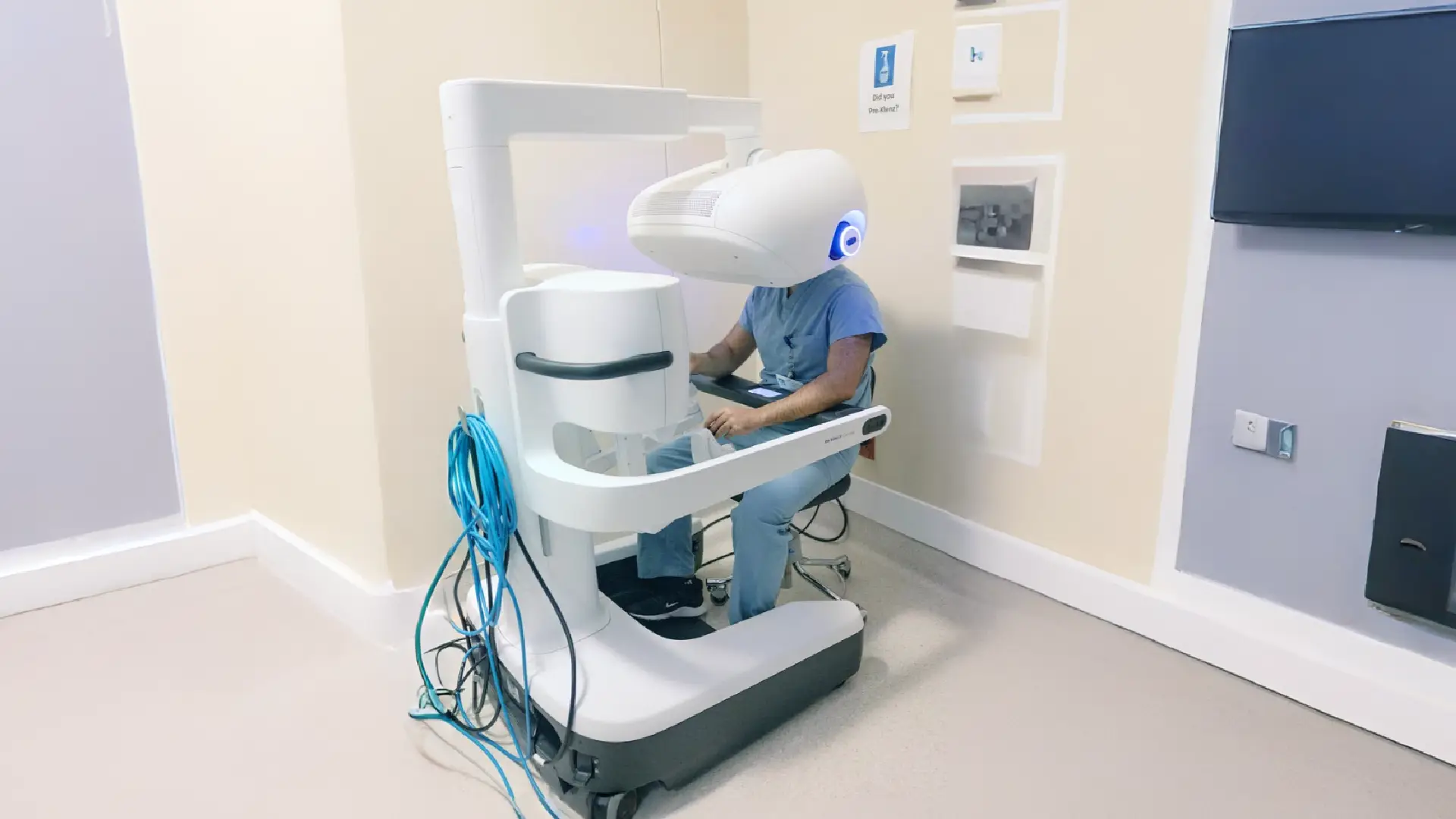
5th generation Da Vinci
The 5th generation Da Vinci system gives high-definition 3D vision, greater precision in the pelvis and more natural movements for the surgeon. In the low rectum, this means better preservation of nerves and sphincter structures.
Watch & Wait: avoiding surgery when it is not needed
When a rectal tumour reaches a complete clinical response after TNT, the OPRA protocol of Prof. García Aguilar allows active follow-up instead of surgery.
Sphincter preservation in the low rectum
The precision of the robot allows resections in the low rectum with oncological margins and preservation of the anal sphincter in cases where open or laparoscopic surgery would require a permanent colostomy.
ERAS protocols + multidisciplinary committee
The strategy for each case is decided in committee with a colorectal surgeon, medical oncologist, radiation oncologist and radiologist. Recovery is sped up with ERAS protocols specific to robotic surgery.
Medical team
The robotic colorectal surgery specialists in Barcelona
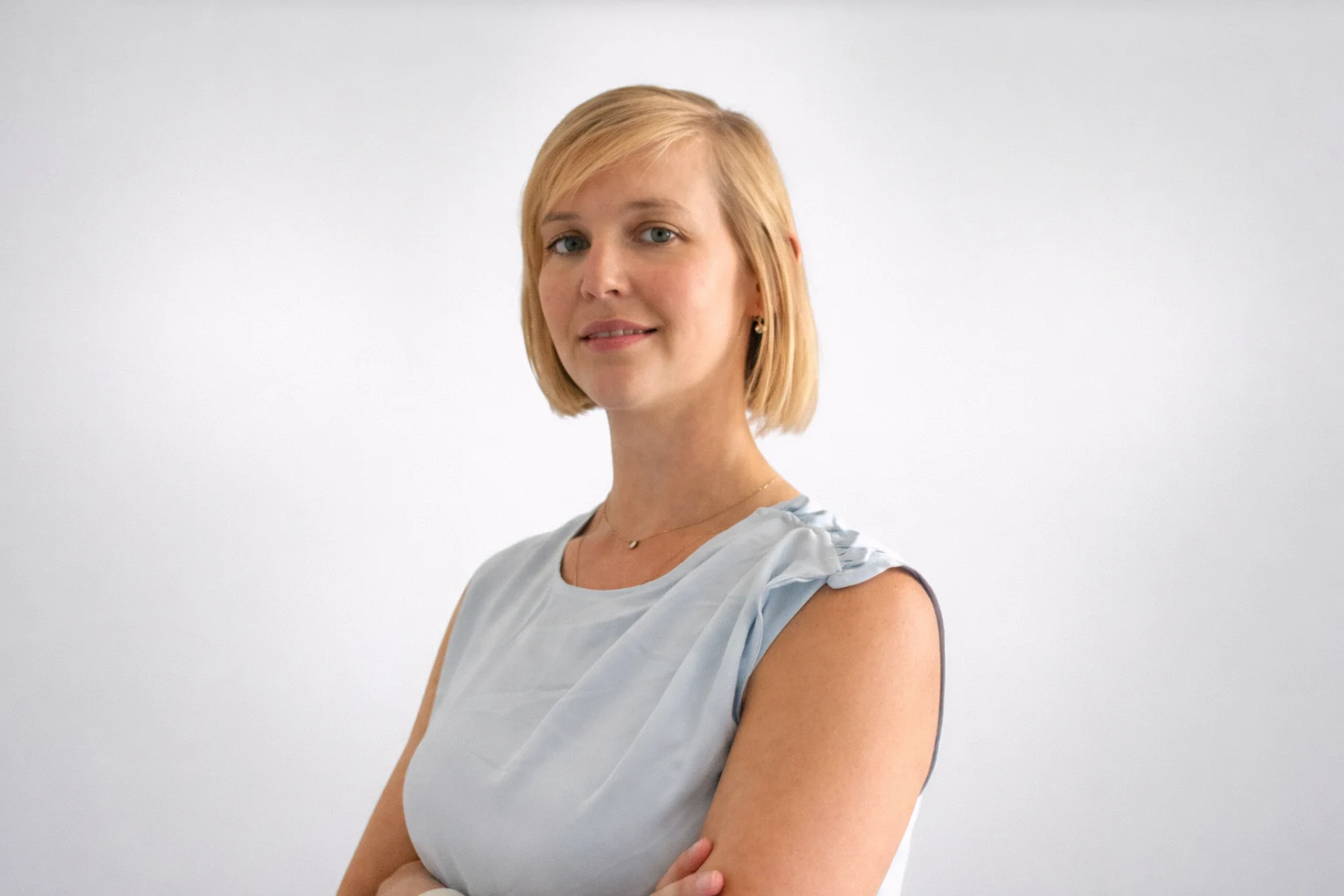
Dr. Patricia Tejedor
Colorectal surgeon · 2 robotic fellowships · Member of the ESCP Committee
"Combining robotic colorectal surgery with the management of peritoneal disease makes it possible to treat high-complexity cases in a single operation."
Dr. Juan José Torrent
Surgical oncologist · Specialist in the colorectal component of CRS
"In advanced colorectal cancer, coordination between robotic surgery and peritoneal management determines the long-term result."
Patient journey
How the process works, step by step
1. You send your report
You fill in the form with the clinical documentation you have (CT, MRI, pathology, neoadjuvant treatment report if applicable) and the coordinator tells you the next steps.
2. The committee reviews it in 48 h
A colorectal surgeon, medical oncologist, radiation oncologist and radiologist analyse your case together and decide the strategy: robotic surgery, Watch & Wait or another option.
3. We call you with the proposal
The coordinator explains the committee's assessment: proposed technique, possibility of sphincter preservation and next steps.
4. You decide with no obligation
The assessment does not commit you to anything. If you decide to have surgery, we organise everything; if not, we give you the information in writing.
Where we see you
Centro Médico Teknon, Barcelona
The team's base in Barcelona. Passeig de Carlos III, 60-66, 08017 Barcelona.
5th generation Da Vinci system
Centro Médico Teknon has the 5th generation Da Vinci robotic system for complex colorectal surgery.
High-complexity operating theatres
Equipped for robotic colorectal surgery, with intraoperative monitoring and an anaesthesiology team specialised in oncological surgery.
Single rooms
All rooms are single, and a companion can stay throughout the admission.
How to get there
Metro (L6 La Bonanova), FGC (Sarrià), taxi and on-site car park. 20 minutes from Barcelona-El Prat Airport. More about Teknon.
Wonderful surgical team, among the best out there. Dr. Torrent (expert in peritoneal carcinomatosis) is an exceptional surgeon and an even better person. His coordinator is super kind, fast and efficient. The personal care is excellent and so are the results. This is of vital importance for cancer patients.
K
Kanijo Sánchez
5 months ago
5/5
In the public healthcare system they gave my father a maximum of one year to live. They only offered him chemo and no hope, said it was impossible, that nothing could be done. He had several tumors inside the peritoneal sac with metastases. A year and a half later he is clean, completely cured. His latest PET scan came back clean. We are very happy. Thanks to Dr. Torrent and his team. THANK YOU.
M
Manuel S.D.
A year ago
5/5
Excellent professionals, especially Dr. Torrent, attentive at all times to the patient (my wife), operated for peritoneal pseudomyxoma. They helped us with all our needs since we came from outside Barcelona. Thank you Elisabeth. We are very grateful to Quenet Torrent Institute, thank you for everything.
P
Pilar Garcés
2 years ago
5/5
I am a 63-year-old patient. They detected adrenal gland cancer and told me there was nothing to be done. I sought a second opinion and they told me about the Quenet Torrent team, specialists in complex operations. Dr. Torrent, from the first moment, told me they could operate. They operated and removed a large tumor mass. I spent a week in the ICU and a month on the ward. Every day he came morning and evening, no matter Saturday or Sunday. Never throw in the towel. I am happy to have found these professionals who gave me my life back. Thank you.
I
Imma Rondán
3 years ago
5/5
Many thanks for your attention. Dr. Torrent always attentive, involved and decisive. The reception staff very pleasant and always offering the best option. 100% RECOMMENDED. THANK YOU.
M
Mª Cristina Domínguez
5 years ago
5/5
Dr. Torrent helped me make the best decision at a difficult moment. I think he is a great professional and a person capable of accompanying you and putting himself in another's shoes. Thank you for everything.
F
Francisco García
6 years ago
5/5
I have peritoneal carcinomatosis. When I sent my diagnosis to every center, practically all of them agreed on palliative chemo with little survival time, since I had a very aggressive type of cell. Until we reached Dr. Quenet, Dr. Torrent and their team. I can only confirm what their CV announces: they are far ahead of the rest. They saved my life, because during the operation the harmful cells that everyone had diagnosed, and that were the reason nobody would operate on me, were not there. This intervention has become the best investment of my life.
M
Mara Reboredo
6 years ago
5/5
The best decision of my life was finding this excellent team of surgeons who saved my husband's life. At a prestigious international clinic in Madrid he was given up for lost with advanced peritoneal carcinomatosis from appendiceal cancer, and thanks to them, the best professionals in this field, he was operated on very successfully. A perfect recovery with no complications, because they were on top of his progress at all times. They have a great quality: from the start they were very honest and close. I can only be deeply grateful; we went to buy time and thanks to them my husband got his life back.
E
Elisenda Br.
7 years ago
5/5
Dr. Torrent is a brilliant surgeon and a very approachable and warm doctor, whose manner reveals all the qualities that make him a great person and professional: perseverance, innate curiosity and a desire to learn, humility, sincerity and empathy. Going through an operation is undoubtedly an intense experience, physically and emotionally, in which anxieties arise and you feel very vulnerable. All of that is normal, and as his former patient I can say that his care and professionalism throughout the process were absolutely exceptional. I felt very supported by him, with the confidence of knowing I was in the best hands. I will always be grateful to him. Moltes gràcies Dr. Torrent!
Frequently asked questions about robotic colorectal surgery in Barcelona
Straight answers before you contact the team.
Who performs Da Vinci surgery for colorectal cancer in Barcelona?
Surgery is performed by Dr. Patricia Tejedor, who holds two robotic fellowships and is a member of the ESCP Committee. Within the team she is responsible for robotic colorectal surgery and operates at Centro Médico Teknon, within a programme that combines robotic surgery with organ preservation strategies in rectal cancer.
What is Watch & Wait in rectal cancer?
It is active surveillance, without immediate surgery, in rectal cancer patients who achieve a complete clinical response after neoadjuvant treatment. Prof. García Aguilar is one of the principal investigators of the OPRA protocol, which defines the selection criteria. It requires frequent check-ups and surgery if the tumour comes back.
What are the advantages of 5th generation Da Vinci in colorectal surgery?
It gives greater precision in narrow anatomical spaces such as the pelvis, three-dimensional vision and less bleeding. That means faster recovery and better preservation of the nerves that control continence and sexual function, two after-effects that shape the patient's life long after surgery.
When can a permanent colostomy be avoided?
Preserving the anal sphincter depends on the exact location of the tumour, the response to previous treatment and individual anatomy. Robotic surgery widens the chances of preservation compared with open surgery, but an individual assessment is essential.
How long is the hospital stay after robotic colorectal surgery?
With ERAS enhanced recovery protocols, the average stay is 3 to 5 days, considerably shorter than with open surgery. The most complex resections may need an extra day or so. Discharge is decided by the recovery of bowel function and tolerance of food, not by a fixed number of days.
Do you work with insurers in Barcelona?
Yes. Centro Médico Teknon has agreements with the main private insurers in Spain. Cover for robotic surgery depends on each policy and on prior authorisation, so the coordinator reviews your case and explains what your insurance covers and what would fall outside it before you take any step.
Do you see patients from outside Barcelona?
Yes. A large share of patients come from other provinces or from abroad. The coordinator advises on travel and accommodation, groups the pre-operative tests into a few days and lets you send reports in advance, so the trip is only made once there is a concrete proposal.
How do I request an assessment?
Fill in the form on this page or call +34 660 658 276. The coordinator replies within 24 hours and tells you which reports, colonoscopy and MRI to send. With that documentation, the committee assesses the case and proposes a concrete plan.
Robotic colorectal surgery · Barcelona
Send your report and get an assessment in 48 h
The team reviews your case in a multidisciplinary committee and tells you whether robotic surgery, Watch & Wait or another strategy is indicated.
Dr. Juan José Torrent, the first oncological surgeon accredited in Spain to operate with the Da Vinci 5
Dr. Juan José Torrent has completed the official training in London for the use of the Da Vinci 5 robotic system, becoming the first gynecological oncology surgeon accredited in Spain to operate it. It is the most recent version of this minimally invasive robotic surgery system and includes more than 150 improvements over previous versions.
Colon cancer: what it is, symptoms, diagnosis and treatment
A complete guide to colon cancer: risk factors, warning symptoms, diagnostic methods and treatment options, including robotic surgery and chemotherapy.
Hepatic Arterial Infusion (HAI): from unresectable liver metastases to surgery
Dr. François Quenet takes part in a phase II trial published in JCO 2026 on hepatic arterial infusion (HAI) chemotherapy after surgery for colorectal liver metastases. We review the current indications for HAI.